






Swelling around the nasal area, eyes, and forehead – typically most pronounced during the first 3–5 days.
Mild bruising under the eyes or on both sides of the nose.
Light pink discharge (plasma mixed with blood) during the first 1–2 days.
Slight pressure or mild pain in the nasal region.
Temporary nasal depression or altered shape, especially if a new implant is not immediately reinserted.
Mild numbness in the nasal tip or alar cartilage, usually resolving within several weeks to months.
Continuous, throbbing, deep pain that does not subside with pain medication.
Significant nasal swelling, redness, warmth, and pus discharge – indicative of infection.
High fever, fatigue, chills.
Prolonged bleeding that does not stop naturally within a few hours.
Open incision with yellowish-green, foul-smelling discharge.

Avoid forceful impact or pressure on the nasal area: Do not lie on your side or face down. Prevent accidental impact or pressure on the nose during sleep or physical activity. Refrain from forceful nose blowing or picking your nose.
Mild to moderate nasal swelling.
Possible mild bruising around the eyes.
Sensation of pressure and mild pain (gradually subsiding after 2–3 days).
Possible light pink discharge from the incision (odorless, no pus).
Healing – Tissue Regeneration
Significant reduction in swelling.
Skin and mucous membranes begin to recover.
Potential development of fibrous tissue or small nodules under the skin (healing scars).
Mild numbness in the nasal tip (normal).
Nasal structure becomes stable.
Complete resolution of pain.
The nose may appear slightly depressed or lose its original shape if no new implant was inserted – this is the phase of new tissue shaping.
Skin and soft tissues achieve near-complete recovery.
The surgical area becomes soft again, with minimal signs of intervention.
The nose may be ready for revision surgery if the client desires further enhancement.
To facilitate rapid recovery, reduce inflammation, and minimize unfavorable scarring, consider supplementing your diet with:
✅ Healthy Proteins
Chicken, lean pork, fish, eggs, tofu
→ Aid in new tissue formation and wound healing.
✅ Vitamin C:
Abundant in oranges, grapefruits, kiwis, guavas, green leafy vegetables
✅Vitamin A:
Found in carrots, sweet potatoes, pumpkins
→ Promotes skin cell recovery and epithelial regeneration.
✅ Minerals (Zinc, Iron)
Present in liver, pumpkin seeds, beans, whole grains
→ Prevents infection, supports blood cell production.
✅ Adequate Hydration
Approximately 2–2.5 liters daily
→ Maintains tissue hydration, promotes good blood circulation.
For at least the first 2–4 weeks, it is advisable to avoid the following foods:
Water spinach: May cause hypertrophic scars.
Beef: Can lead to hyperpigmentation or dark scars.
Sticky rice products (e.g., bánh chưng, sticky rice): May cause the wound to swell and suppurate easily.
Seafood (shrimp, crab, squid): Can cause itching and allergic reactions in healing tissues.
Spicy, oily, fried foods: May prolong inflammation.
Stimulants (alcohol, beer, tobacco, coffee): Can affect blood circulation and delay wound healing.
Typically, after implant removal, the nose will revert to a shape closely resembling its pre-augmentation appearance, especially if no deep structural interventions were performed previously. However, in some cases, the nose may appear lower or asymmetrical if structural bone intervention was part of the initial procedure.
If the implant removal is performed by a highly skilled surgeon using a closed surgical technique, the likelihood of scarring is very low. However, in cases of severe nasal complications or extensive intervention, small scars may occur, but they are usually well-concealed and do not significantly impact aesthetics.
The recovery time after nasal implant removal depends on the individual’s specific condition:
Uncomplicated cases: Approximately 7–10 days for the wound to heal and the nose to stabilize.
Complicated cases (infection, inflammation): Recovery time may extend to 10–14 days or longer, depending on the extent of damage and post-operative care.
The waiting period for a revision rhinoplasty after implant removal depends on the extent of nasal recovery:
Well-recovered nose with no complications: Revision rhinoplasty may be considered after approximately 2–3 months.
Nose with complications or severe damage: It is advisable to wait at least 3–6 months for complete nasal tissue recovery before undergoing another rhinoplasty.

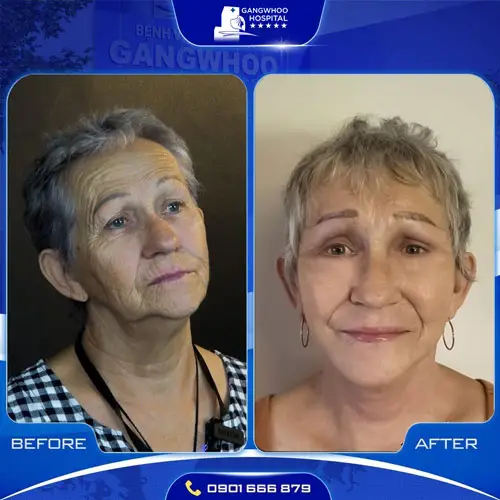
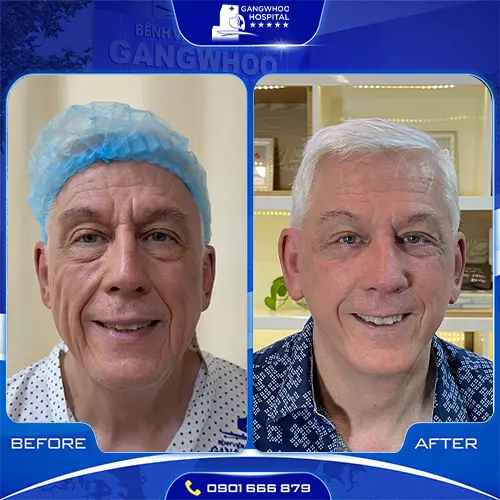
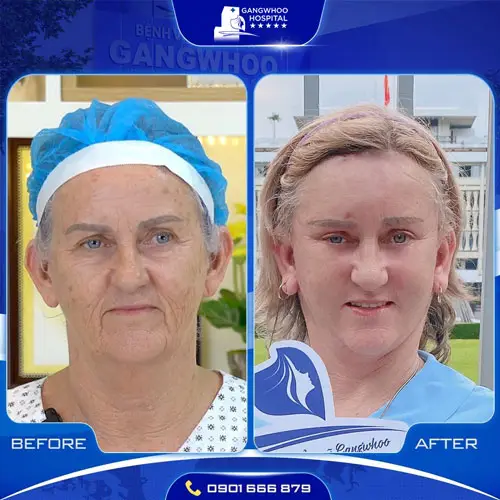
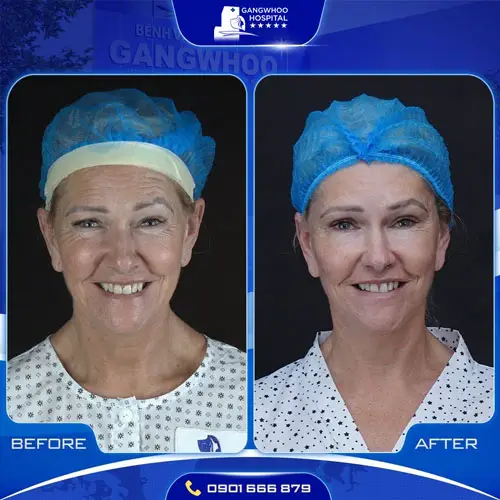
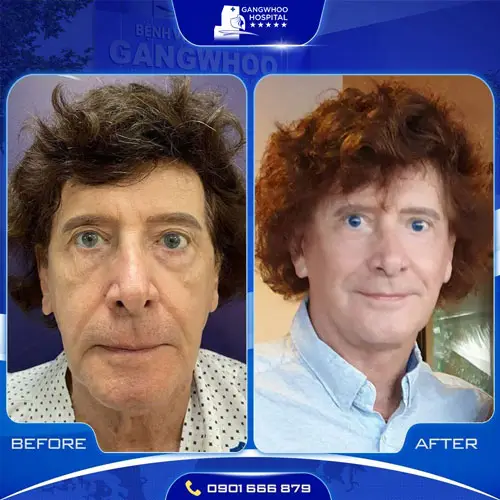
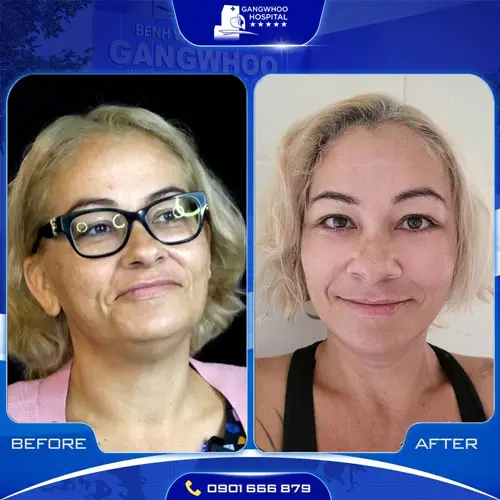
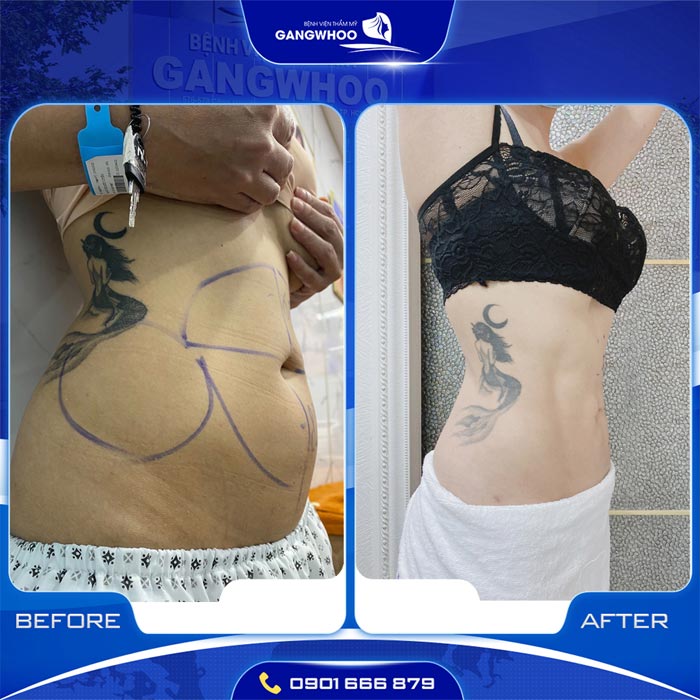
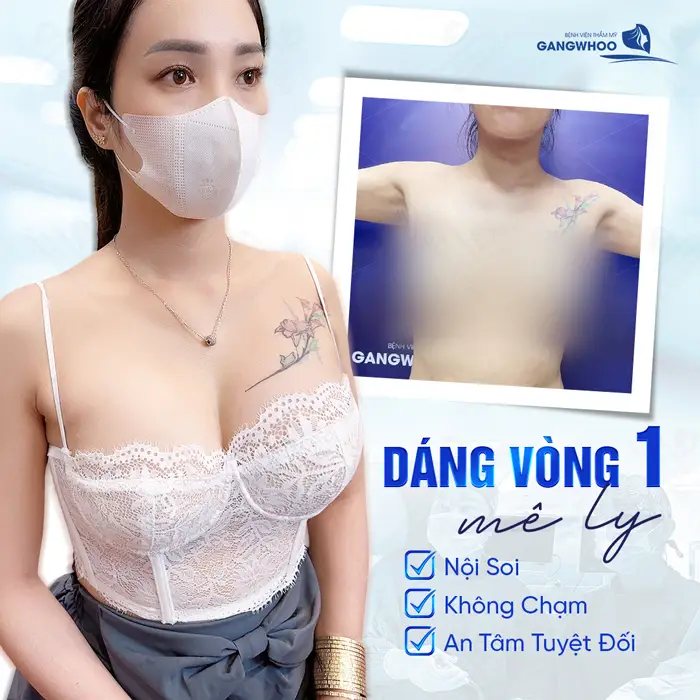
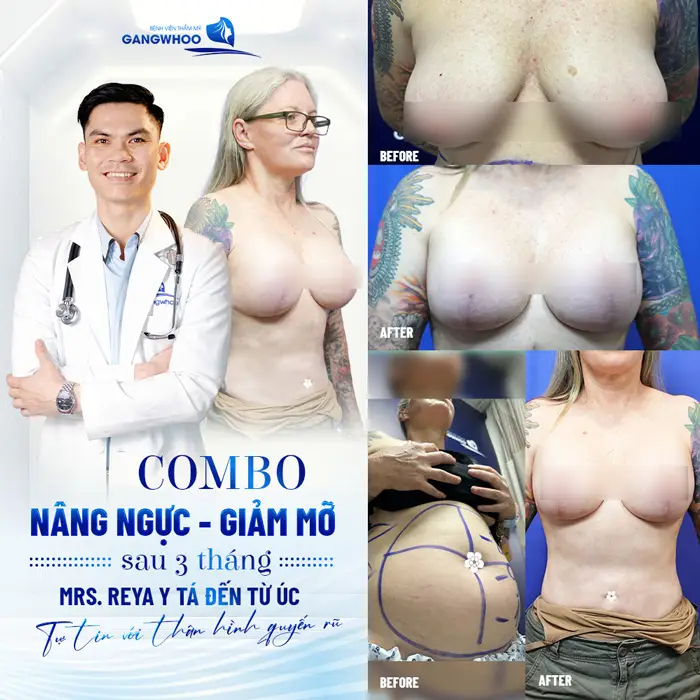
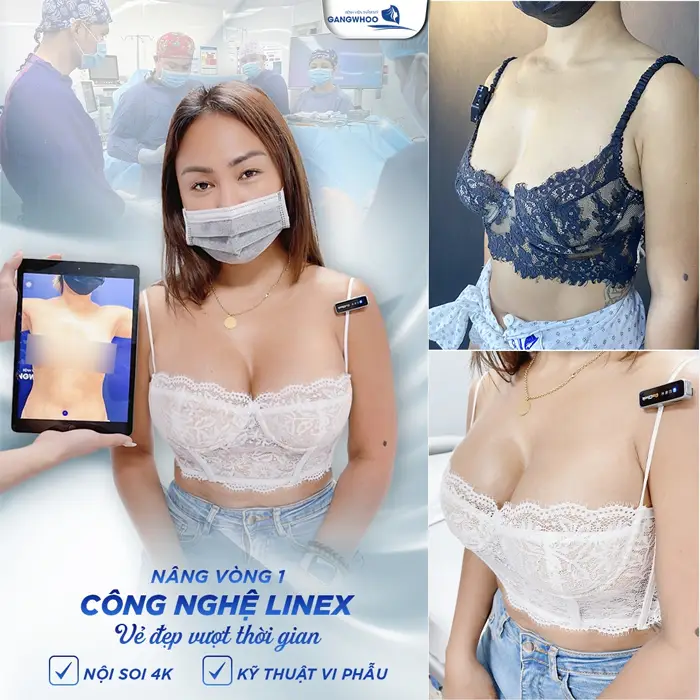
Check out the amazing results below
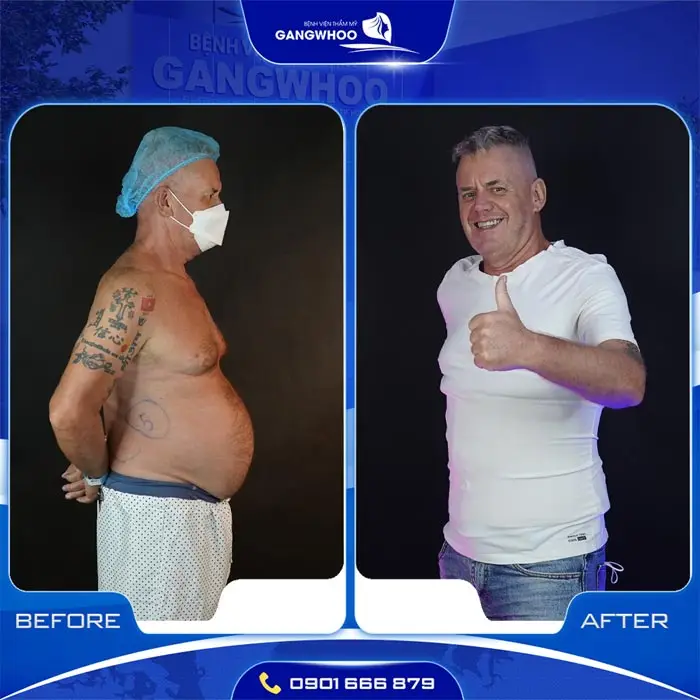
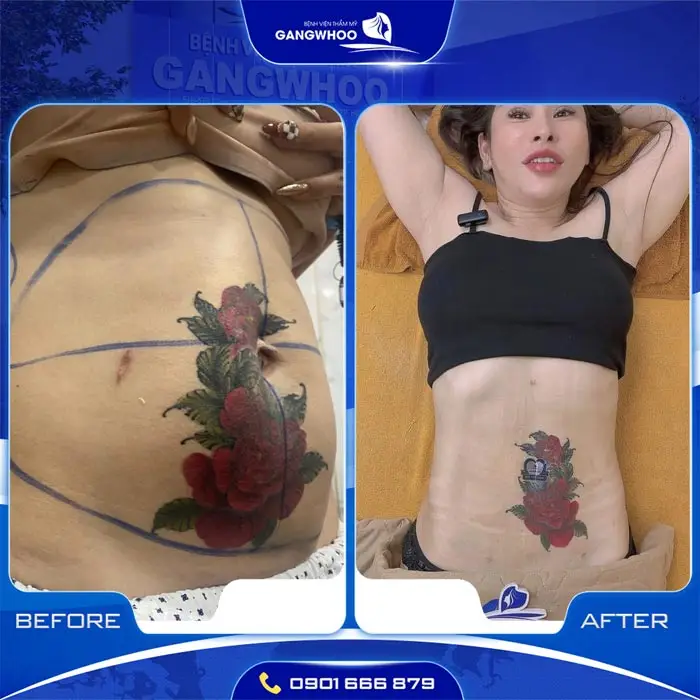
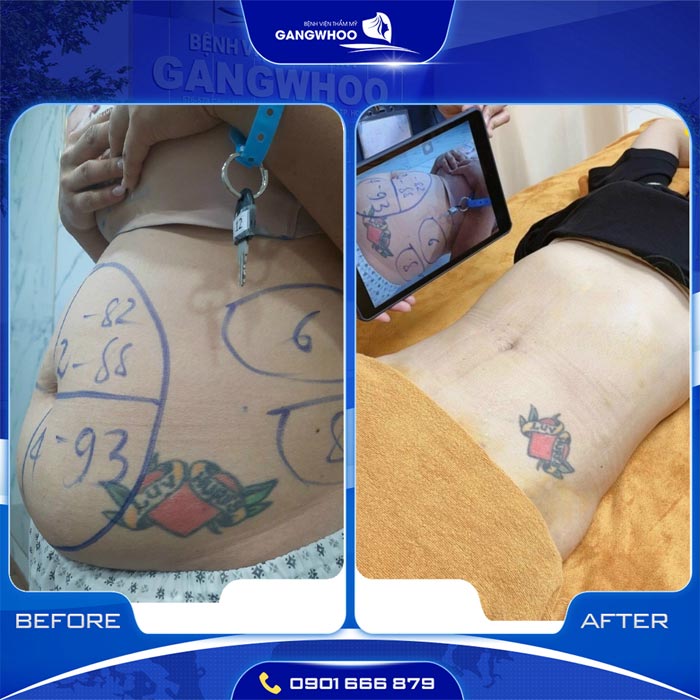

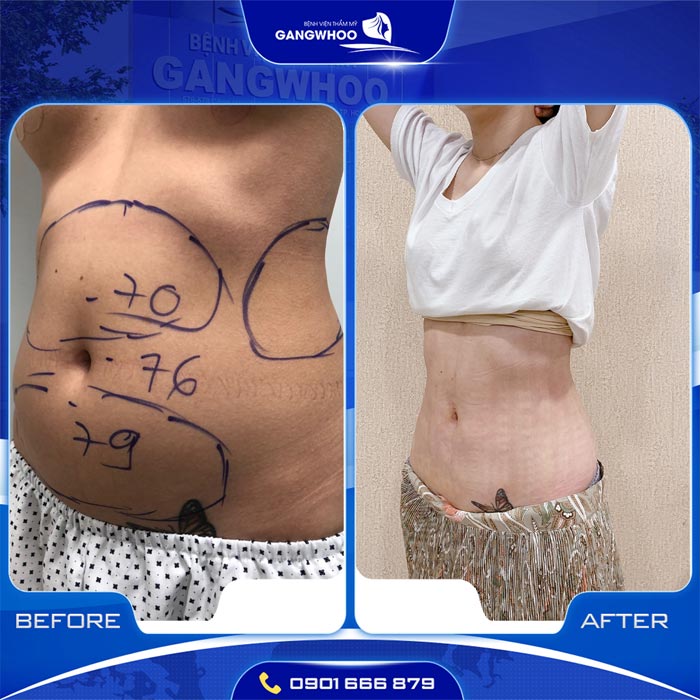

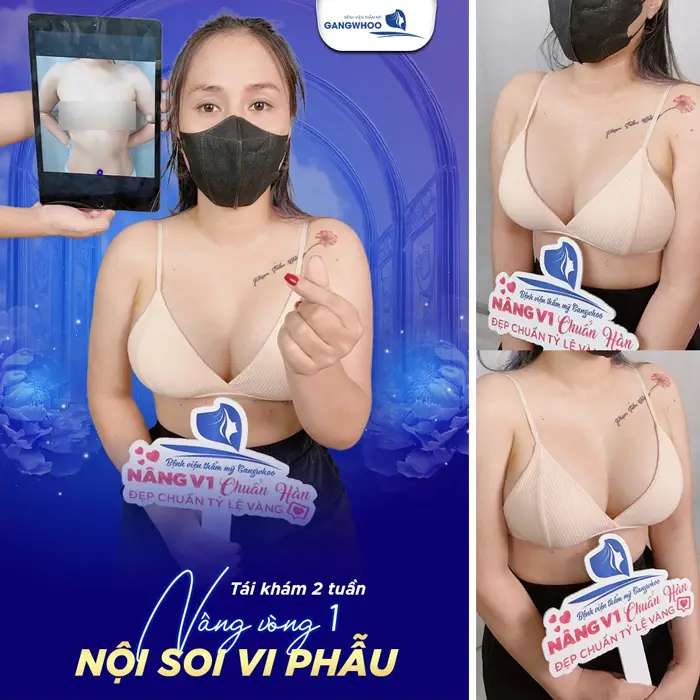

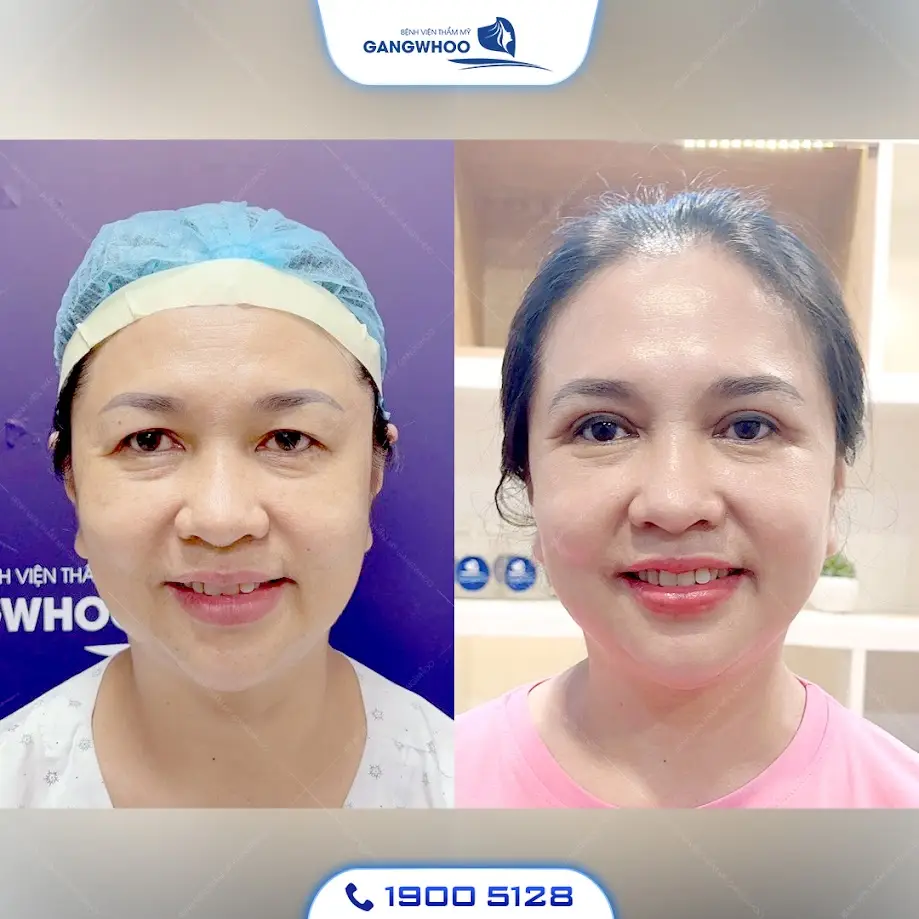
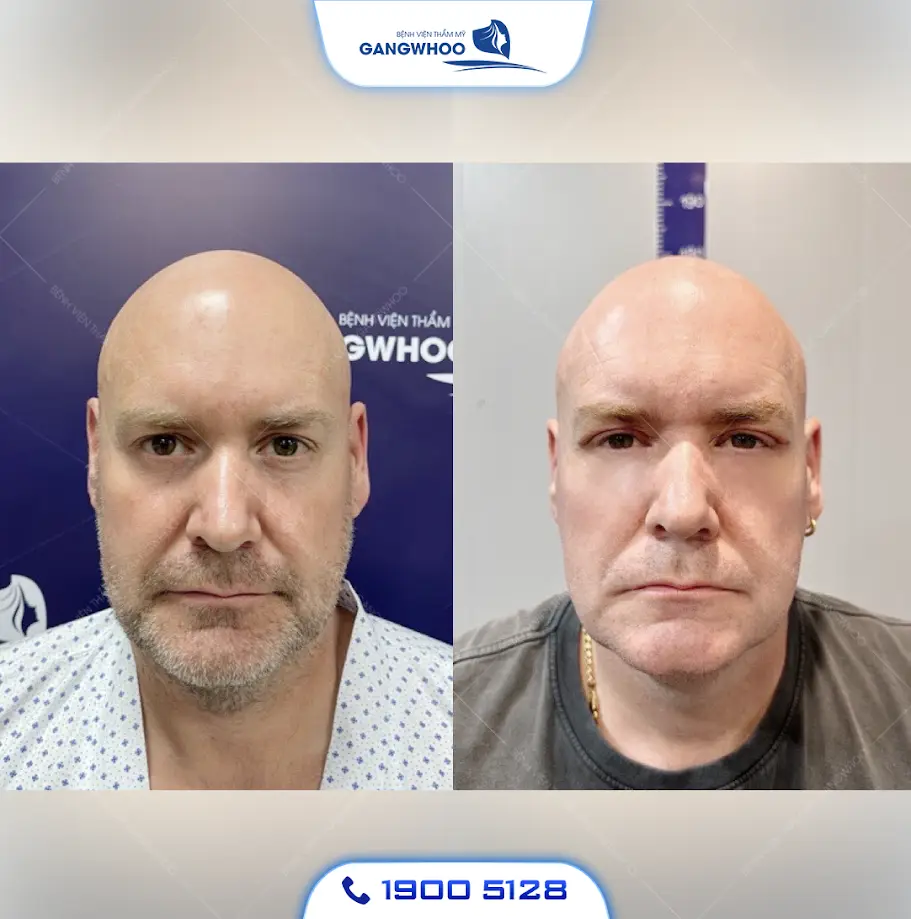

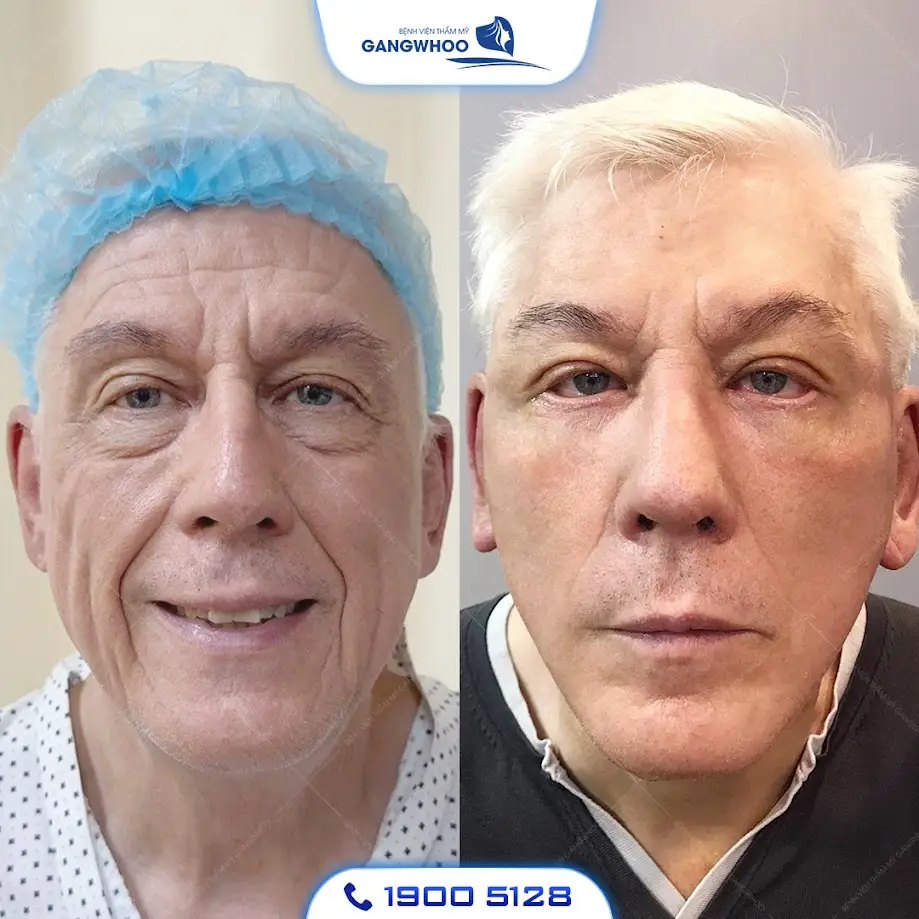

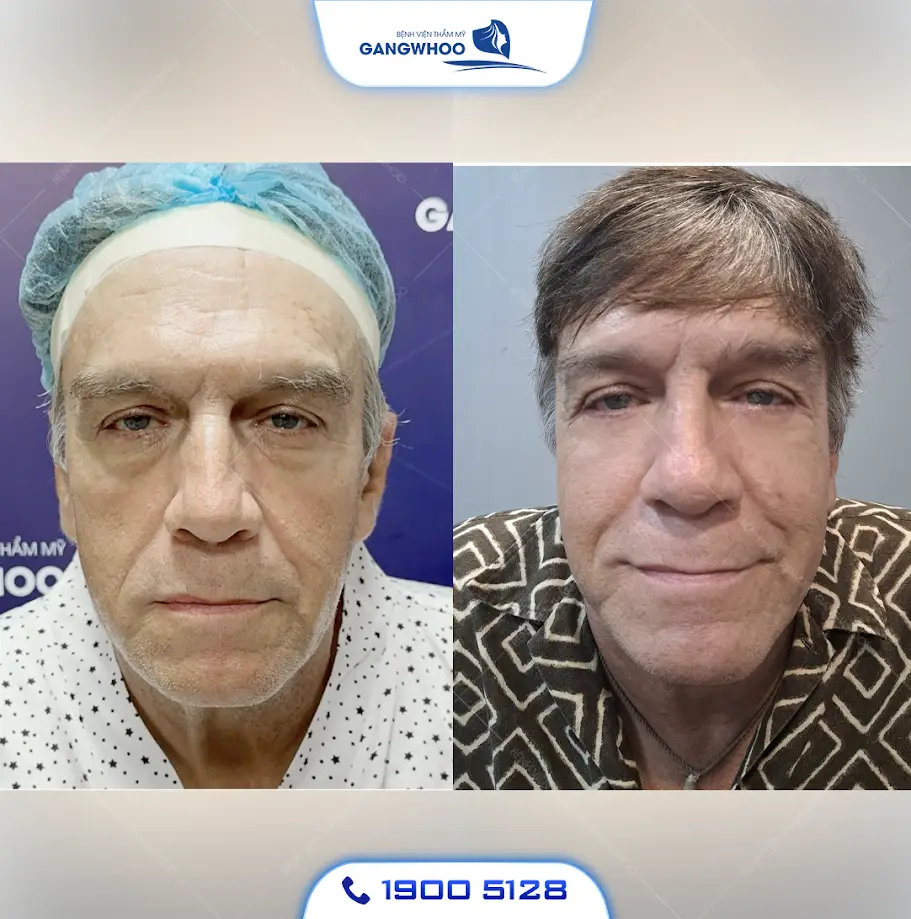


Let’s see what they say about Gangwhoo!

“
The beauty service here is really good. I found Vietnamese people to be very enthusiastic. The doctor gave me great consultation and care. Not to mention, the cost is much lower than in Germany.”

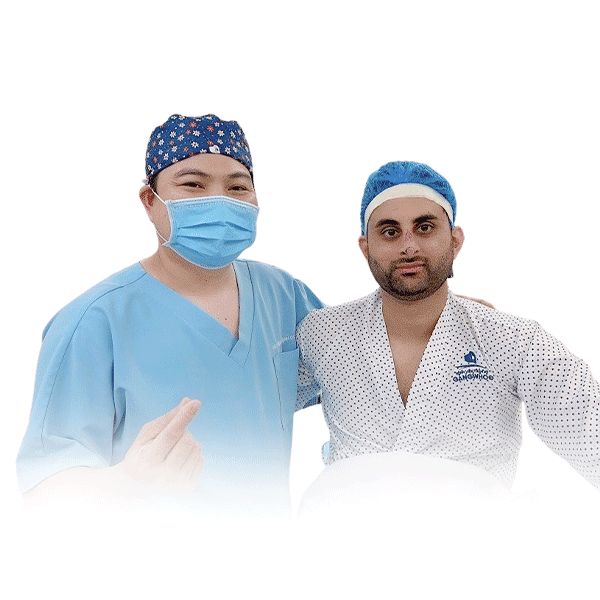
“
The technology here and Dr. Cuong’s techniques are just as good as those in my country, but the cost is much lower. That’s why I decided to come to Vietnam—not only for aesthetics but also for relaxation.”


“
I have a friend in Australia who had a beauty treatment in Vietnam and recommended Dr. Cuong to me. I noticed a clear transformation in my friend. Since the cost is also much lower than in Australia, I had no hesitation about coming to Vietnam for cosmetic procedures.”

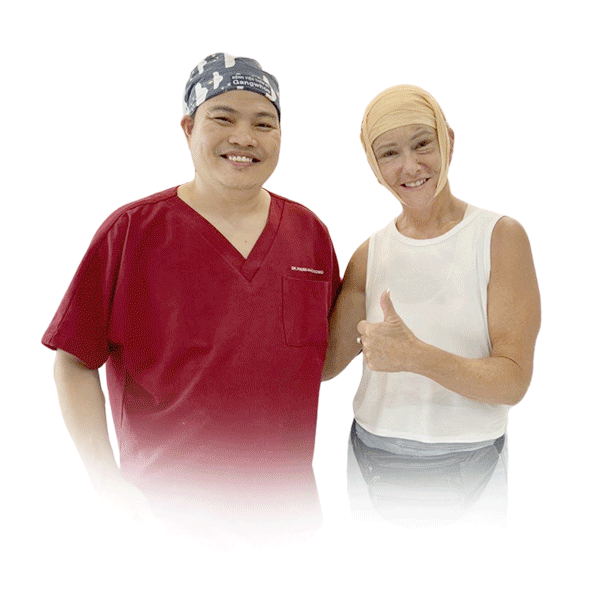
“
I happened to see an ad on Facebook and learned about Dr. Cuong. I was very impressed by his technique—the difference in the patients before and after was striking. I got curious and messaged for more info. The consultation was very enthusiastic and thorough, so I decided to put my trust in them and come to Vietnam for beauty treatments.”
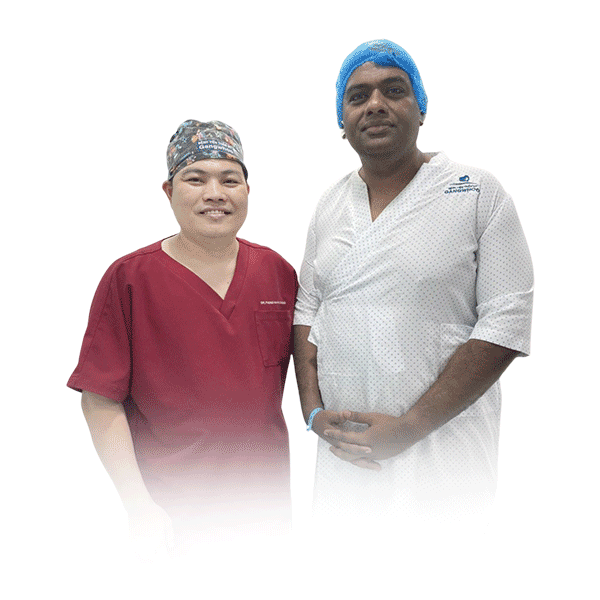
“
Cosmetic procedures in the U.S. are very expensive. However, here the cost is only about 30%, yet the technology and facilities are not inferior. So I booked a flight to Vietnam for aesthetics.”

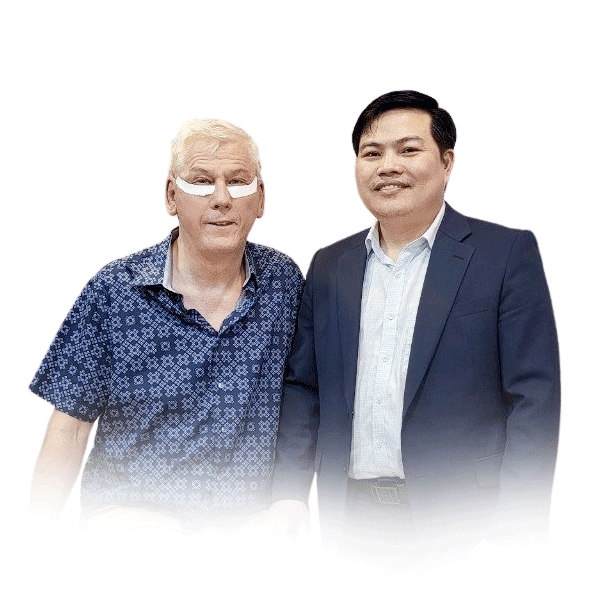
“
I came to Vietnam for travel, and suddenly I saw an ad for Dr. Cuong. I noticed many international clients coming here for services, so I decided to give it a try. The doctor seemed very professional, so I went ahead with the treatment.”


“
I’ve always been fascinated by Vietnam’s history and culture. One day, I came across a Facebook ad about Dr. Cuong and was impressed by his aesthetic technique and the reasonable cost. I decided to come to Vietnam for beauty treatments and travel at the same time.”

Bệnh Viện Thẩm Mỹ Gangwhoo Vươn Tầm Quốc Tế
Lượt xem: 12.861

Lượt xem : 25.761

Lượt xem : 12.158

Lượt xem : 38.034

Trải nghiệm thẩm mỹ kết hợp du lịch ở Củ Chi của khách hàng Quốc Tế
Lượt xem : 10.350

Lượt xem : 39.296

Nâng Mũi Công Nghệ Cao – Đẹp Mà An Toàn Tại Gangwhoo
Lượt xem : 220.952

Review Công Nghệ Nội Soi 4K Tại Gangwhoo
Lượt xem : 5.230

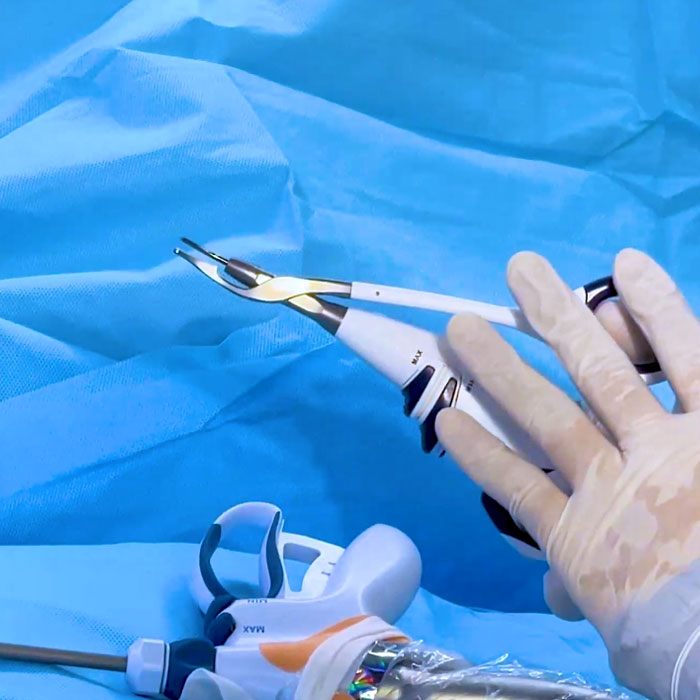


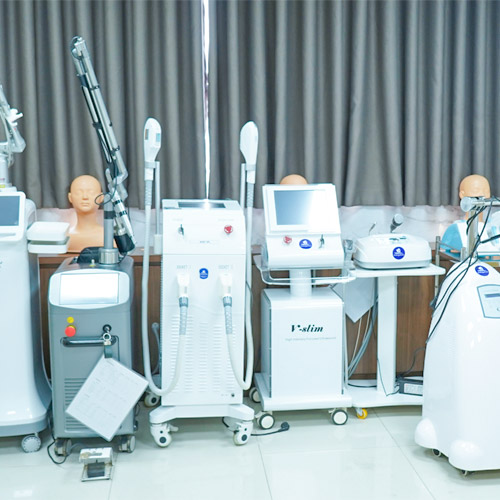


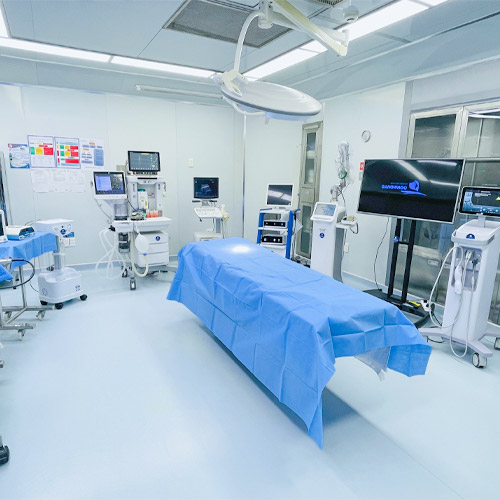
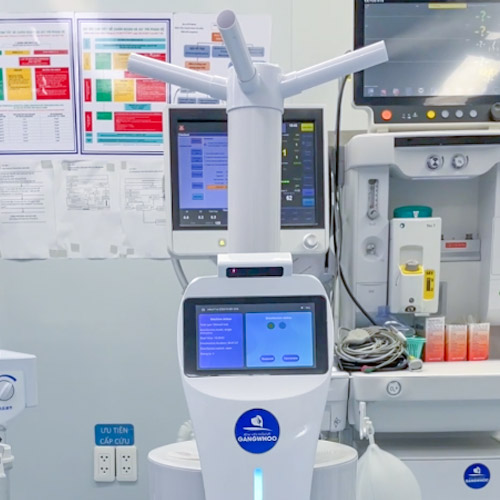
Fully meets the safety standards set by the Ministry of Health. Completely sterile and fully equipped with medical instruments and devices.
Installed in the surgical room, it moves around and sprays disinfectant to ensure a sterile environment.
Helps doctors clearly analyze facial structures to develop accurate aesthetic plans.
Allows customers to visualize their post-procedure appearance, helping them make informed decisions.
Minimizes invasiveness, improves surgical precision, and reduces damage to surrounding tissues.
An ultrasonic scalpel that causes minimal tissue trauma, reducing injury with high precision.
Designed for bone cutting without affecting soft tissues, significantly reducing swelling and bruising after surgery.
Helps eliminate bacteria, reduce inflammation, minimize swelling and bruising after cosmetic procedures, and accelerates wound healing.
Modern, high-tech equipment that meets all the needs of customers seeking non-surgical aesthetic treatments.

Giáo Sư – Bác Sĩ Hàn Quốc – Ông hiên đang là cố vấn chuyên môn tại Gangwhoo


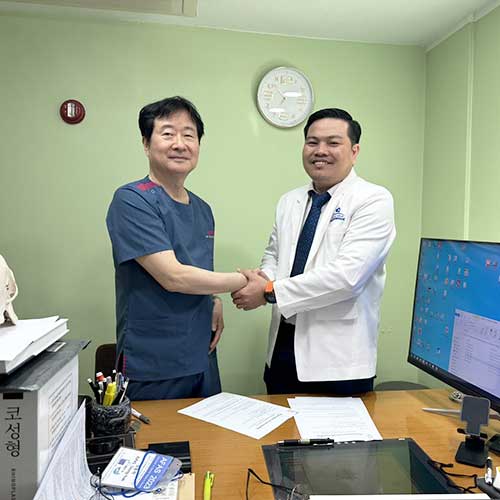




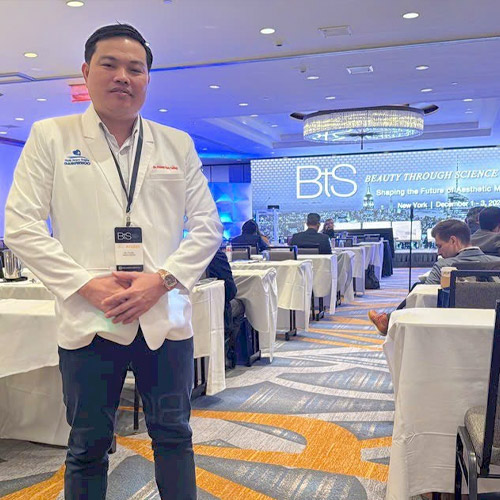
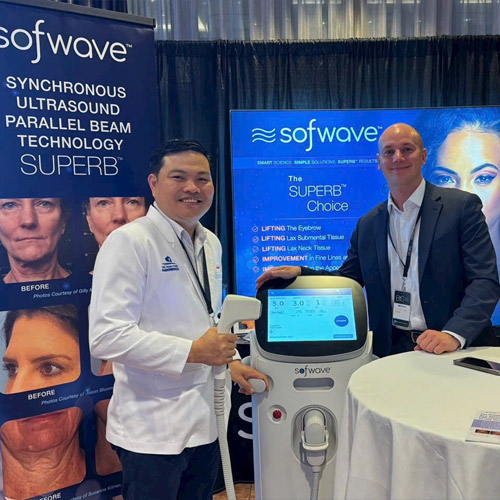



Table of Contents How long does fortune ear filler last is a concern for many...
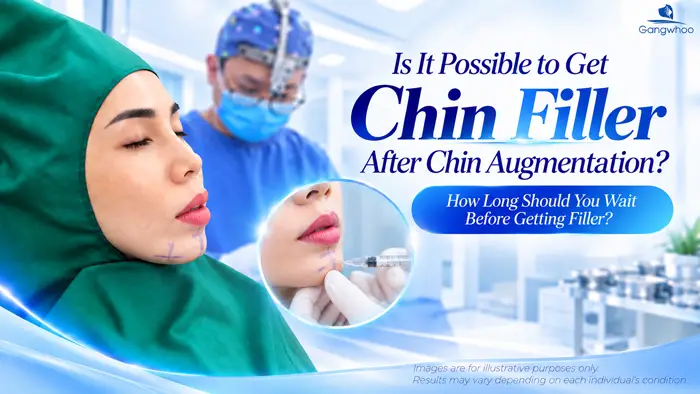
Table of Contents Chin augmentation helps change the projection and shape of the chin through...

Table of Contents A short, recessed, or under-projected chin can make the face look unbalanced,...

Table of Contents Full, well-proportioned buttocks are one of the body-shape criteria that many people...

Table of Contents What should I do if my chin implant is misaligned? This is...
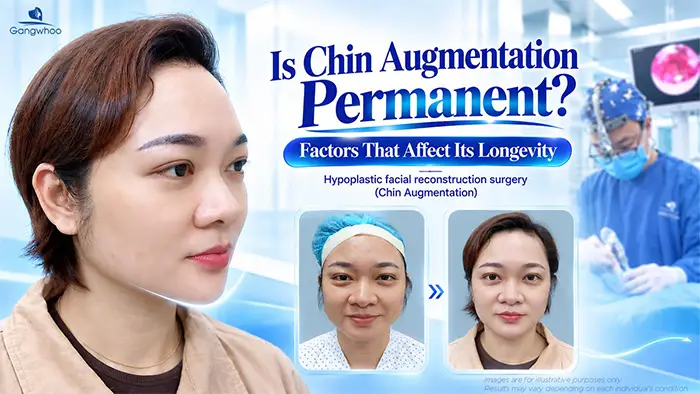
Table of Contents Is chin augmentation permanent? This is a question I frequently encounter from...

Table of Contents A healthy, beautiful smile not only enhances facial aesthetics but also improves...
Table of Contents In recent years, Tissue Preservation Breast Augmentation has become a new trend...