

In recent years, Tissue Preservation Breast Augmentation has become a new trend in modern breast augmentation surgery thanks to its ability to maximize the preservation of soft tissue, supporting ligaments, blood vessels, and nerves. This technique helps minimize invasiveness, promotes faster recovery, and maintains the natural beauty of the breasts.
As a cosmetic surgeon, I always encourage patients to thoroughly understand the anatomical structure, surgical technique, and suitability before undergoing breast augmentation. In this article, I will help you gain a comprehensive understanding of Tissue Preservation Breast Augmentation, its outstanding advantages, surgical process, and why it is becoming the preferred choice among many specialists and patients today.
What Is Tissue Preservation Breast Augmentation?
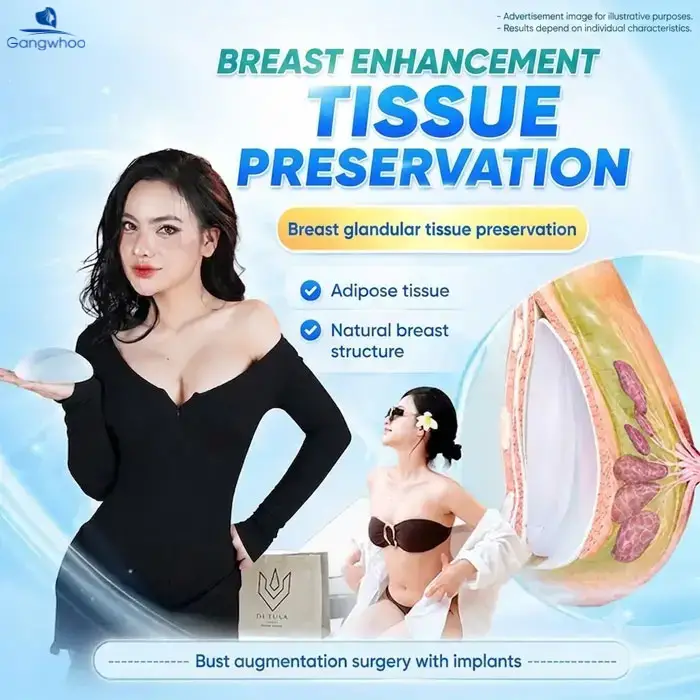
Tissue Preservation Breast Augmentation preserves glandular tissue, fatty tissue, and the natural breast structure
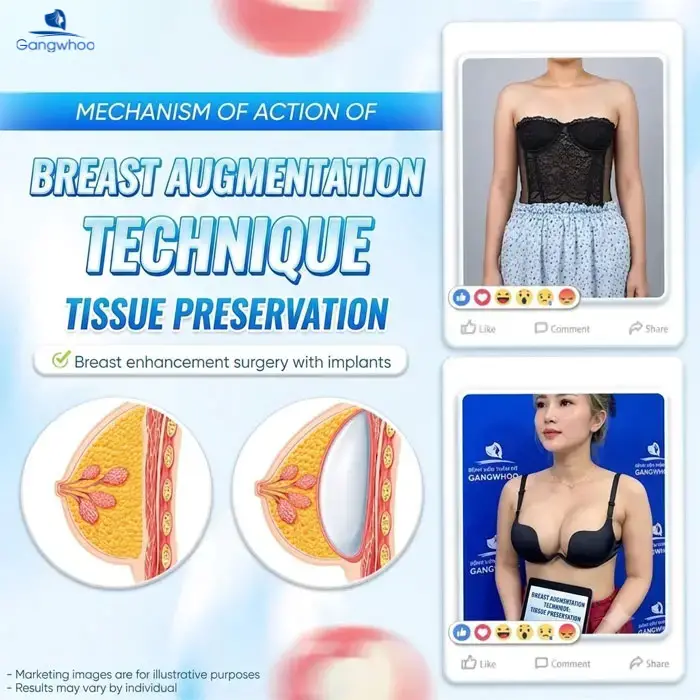
Tissue Preservation Breast Augmentation is a next-generation breast augmentation technique developed based on the principle of preserving the natural anatomical structures of the breast as much as possible during the creation of the implant pocket.
Unlike conventional techniques that require extensive tissue dissection, this approach focuses on minimizing soft tissue trauma, reducing impact on blood vessels and nerves, and especially preserving the Cooper’s Ligaments, which play a crucial role in supporting and maintaining the natural shape of the breasts.
Simply put, instead of causing extensive disruption to healthy tissues, the surgeon performs precise dissection to create an implant pocket that is just sufficient for the breast implant, thereby minimizing unnecessary tissue damage.
The ultimate goal of Tissue Preservation Breast Augmentation is not only to create beautiful breasts but also to promote faster recovery, reduce postoperative pain, and preserve the natural physiological functions of the breast as much as possible.
See more: Autologous Breast Augmentation
Why Is Tissue Preservation Breast Augmentation Highly Regarded?
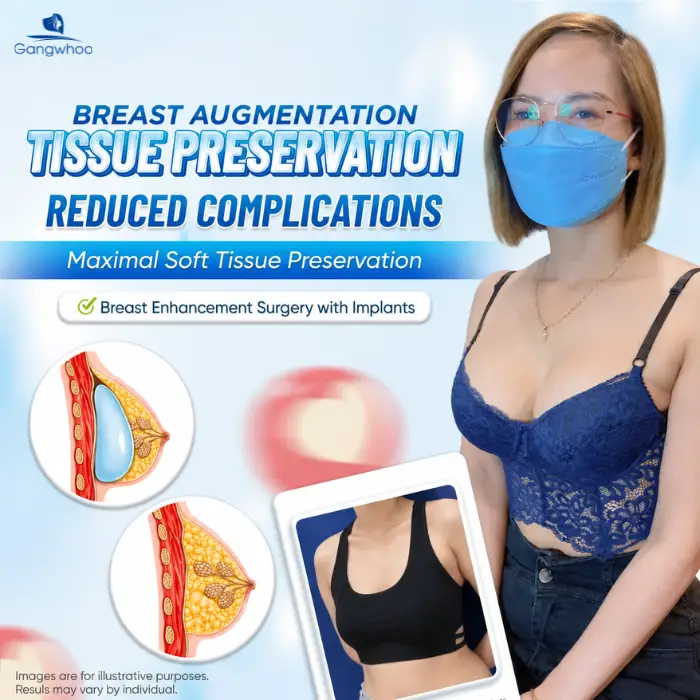
In modern plastic surgery, tissue preservation is considered a fundamental principle for reducing complications and enhancing the overall patient experience.
When soft tissues, blood vessels, and nerves are preserved as much as possible, the body tends to have a milder inflammatory response. This helps reduce swelling, minimize bleeding, and significantly alleviate postoperative pain.
In particular, preserving Cooper’s Ligaments helps maintain the breasts’ natural support system, contributing to a softer and more harmonious breast shape over time.
Many patients who undergo Tissue Preservation Breast Augmentation are able to resume light activities sooner, return to normal daily routines relatively quickly, and require a much shorter recovery period compared to traditional dissection techniques.
How Does the Tissue Preservation Breast Augmentation Technique Work?
To achieve optimal tissue preservation, surgeons apply advanced surgical techniques to create the implant pocket with exceptional precision. Depending on each patient’s anatomical characteristics, the dissection process may be performed using:
- Balloon Dissection
- Microsurgical techniques using blunt-tip instruments
- High-definition endoscopy
- A 4K endoscopic system for magnified visualization of anatomical structures
These technologies allow surgeons to clearly visualize every tissue layer, tiny blood vessel, and critical nerve structure, thereby minimizing tissue damage during surgery.
As a result, blood loss is significantly reduced, soft tissues are better preserved, and postoperative recovery becomes smoother and more favorable.
Outstanding Advantages of Tissue Preservation Breast Augmentation
Maximum Preservation of Breast Glandular Tissue
Unlike traditional wide-dissection techniques, Breast Augmentation using the Tissue Preservation technique focuses on preserving breast glandular tissue, fatty tissue, and the natural anatomical structures of the breast. According to reports on Breast Tissue Preservation Surgery, minimizing tissue trauma helps reduce postoperative inflammatory responses, thereby decreasing swelling and promoting a smoother recovery.
Minimizes Damage to the Breast Support Ligaments
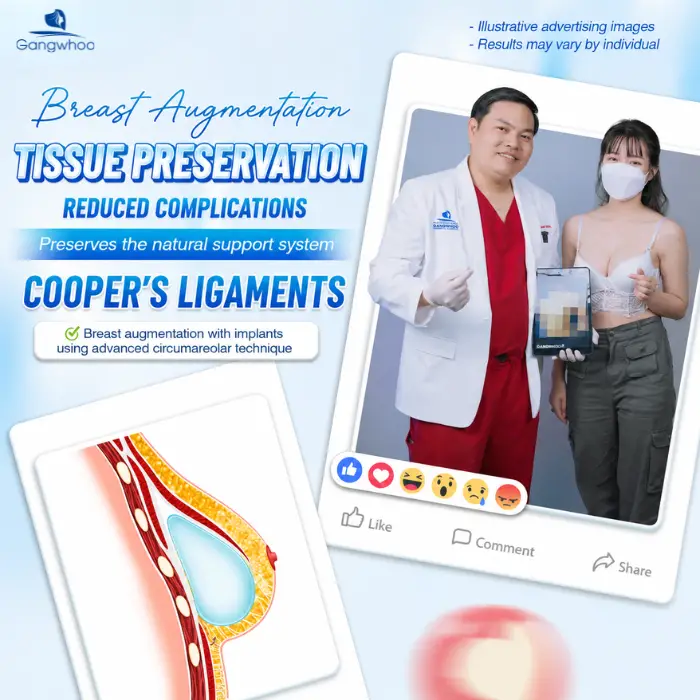
This technique prioritizes preserving the Cooper’s Ligaments, which play a vital role in supporting the breasts and maintaining their shape and stability. When these natural support structures are preserved to the greatest extent possible, the breasts are more likely to retain their softness and reduce the risk of premature sagging over time.
Reduced Postoperative Pain
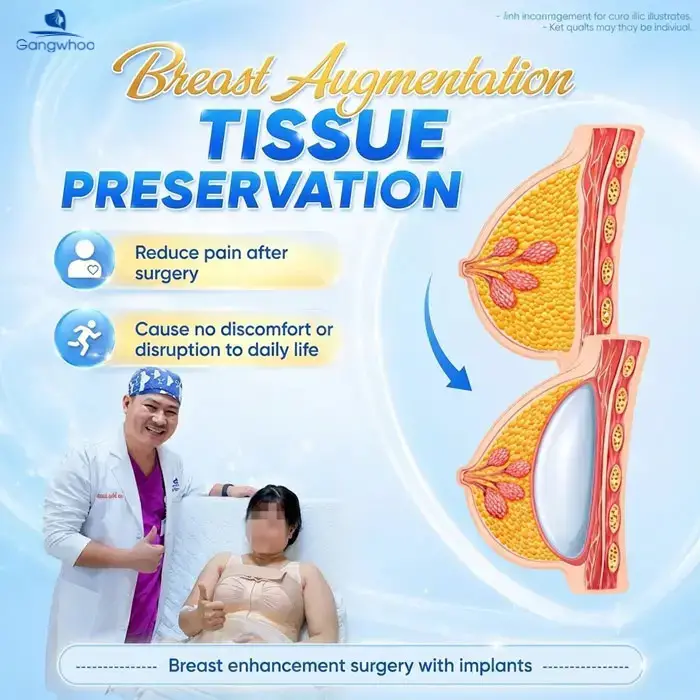
One of the most remarkable benefits of Tissue Preservation Breast Augmentation is the significant reduction in postoperative pain. According to data from Preservé™ Breast Augmentation published in Europe, most patients reported pain levels of only 1–3 on the 10-point VAS pain scale during the first 24–72 hours after surgery.
Many patients are able to walk independently, perform light daily activities, and do not require strong pain medications after surgery.
Faster Recovery
With conventional breast augmentation techniques, patients generally need 5–7 days to return to office work and approximately 4–6 weeks before resuming sports or strenuous physical activities.
In contrast, reports on Tissue Preservation Breast Augmentation indicate that many patients can:
- Walk gently within 3–6 hours after surgery.
- Resume basic personal daily activities after 24 hours.
- Return to office work within 2–5 days.
- Resume light physical activities after 1–2 weeks.
- Return to sports after approximately 3–4 weeks, depending on individual recovery.
This is one of the key reasons why Tissue Preservation has become the preferred choice for many modern women.
Maintains Natural Breast Sensation
The sensory nerve branches surrounding the breast tissue are better preserved by minimizing extensive tissue dissection. Several studies on Tissue Preservation Breast Augmentation have reported that the rate of preserving nipple and areolar sensation exceeds 90–95% after postoperative stabilization, although this rate still depends on the surgical technique and each individual’s anatomical characteristics.
Enhances the Natural Softness of the Breasts
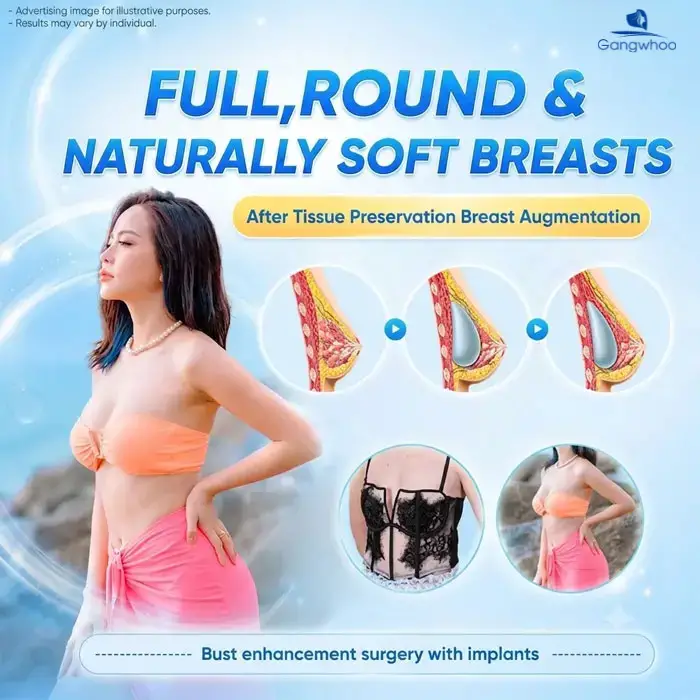
Because more soft tissue, supporting ligaments, and connective tissue are preserved, the breast implant integrates more harmoniously with the natural breast tissue. In clinical practice, many patients begin to notice a naturally soft breast feel within approximately 1–3 months, rather than requiring a longer recovery period as seen with some traditional dissection techniques.
Reduces the Risk of Capsular Contracture
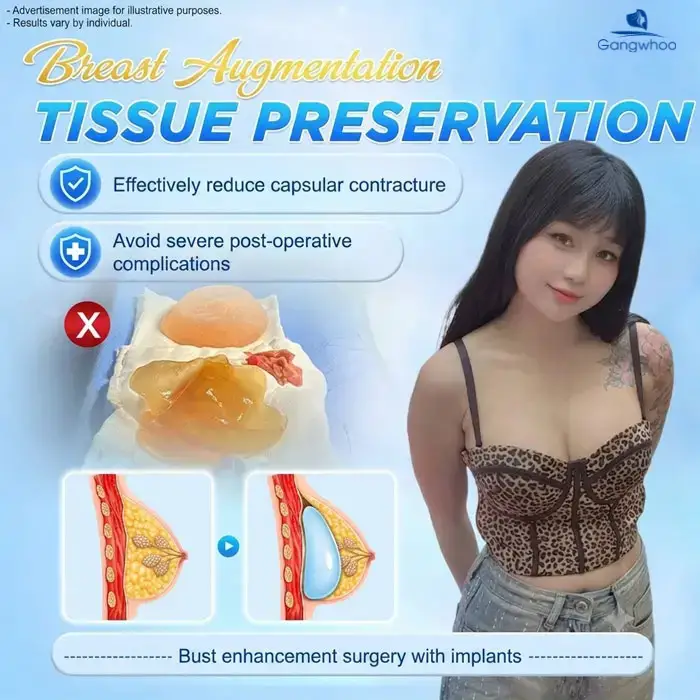
According to statistics from numerous international studies, the incidence of capsular contracture following modern breast augmentation ranges from approximately 1–10% depending on the type of implant, implant surface, surgical technique, and follow-up duration.
Although no technique can completely eliminate this risk, reducing bleeding, minimizing tissue trauma, and limiting inflammatory responses around the implant pocket are considered important factors in lowering the long-term risk of abnormal capsular contracture.
How Is Tissue Preservation Breast Augmentation Different from Traditional Breast Augmentation?
While traditional breast augmentation techniques generally require a wider dissection to create the implant pocket, Tissue Preservation Breast Augmentation focuses on preserving soft tissues, supporting ligaments, blood vessels, and nerves to the greatest extent possible. This approach provides significant benefits in terms of postoperative comfort as well as achieving a more natural-looking result.
| Criteria | Tissue Preservation | Traditional Breast Augmentation |
| Extent of Dissection | Minimal and precise | Generally more extensive |
| Tissue Preservation | High | Moderate |
| Nipple Sensation | Better preservation potential | May be affected to a greater extent |
| Postoperative Pain | Less severe | More pronounced |
| Recovery Time | Faster | Longer |
| Natural Appearance | High | Depends on the surgical technique |
Who Is a Good Candidate for Tissue Preservation Breast Augmentation?
Tissue Preservation Breast Augmentation is particularly suitable for individuals who desire naturally beautiful breasts while prioritizing safety and a smoother recovery process. Candidates who are commonly indicated for this technique include:
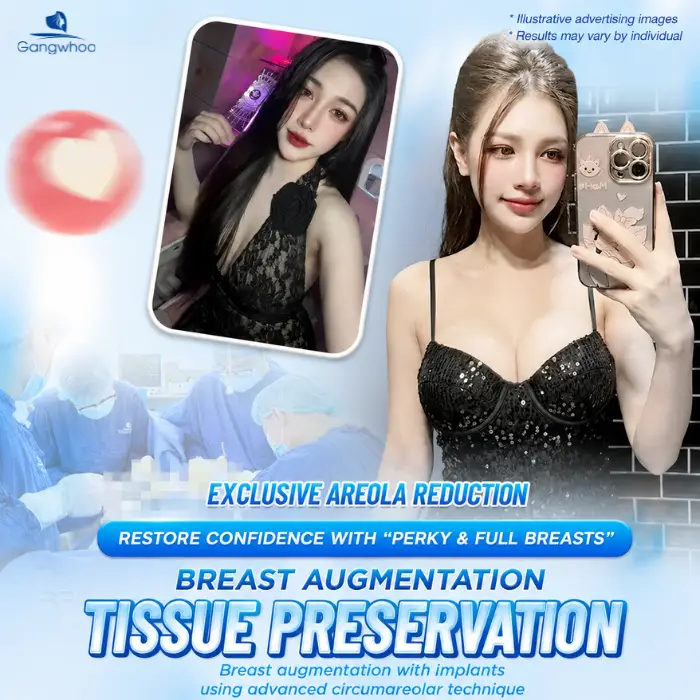
- Individuals with relatively good breast glandular tissue
- Those seeking a natural-looking breast augmentation result
- Individuals with a busy work schedule
- Those who wish to minimize postoperative pain
- Individuals who prioritize a faster recovery
- First-time breast augmentation patients
However, to determine whether Tissue Preservation Breast Augmentation is the appropriate option, patients should undergo a comprehensive consultation and evaluation of their breast glandular tissue, soft tissue thickness, and chest wall anatomy.
Is Tissue Preservation Breast Augmentation Safe?
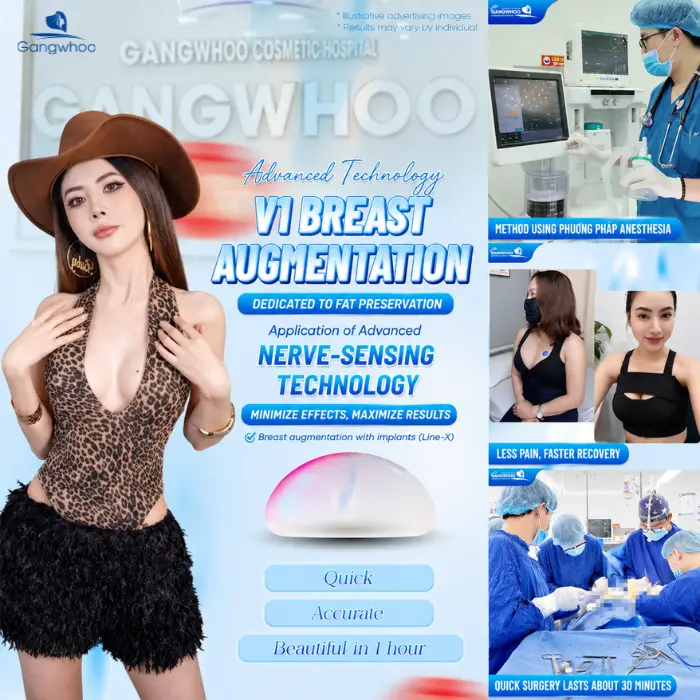
From a professional standpoint, I believe that the safety of a breast augmentation procedure depends not only on the surgical technique itself but also on many other essential factors.
A Tissue Preservation Breast Augmentation procedure can only achieve optimal safety and effectiveness when performed by a surgeon with extensive expertise in breast surgery, supported by a modern anesthesia system and a strictly sterile surgical environment.
In addition, selecting the appropriate breast implant based on each patient’s anatomical characteristics plays a crucial role in maintaining long-term results while minimizing potential complications.
Patients should understand that regardless of how advanced a surgical technique may be, every operation carries certain inherent risks. Therefore, a thorough preoperative evaluation is essential to maximize safety.
Standard Medical Procedure for Tissue Preservation Breast Augmentation
To ensure maximum safety and optimal aesthetic outcomes, every Tissue Preservation Breast Augmentation procedure should follow a standardized process while being personalized according to each patient’s individual anatomy and expectations.
Personalized breast augmentation with maximum preservation of breast tissue for naturally harmonious body proportions
- Step 1: Consultation and Breast Anatomy Assessment
The surgeon evaluates the thickness of the breast glandular tissue, skin condition, degree of breast ptosis, distance between the breasts, and chest wall anatomy. This is a critical step in determining whether the patient is a suitable candidate for the Tissue Preservation technique.
- Step 2: Comprehensive Health Examination
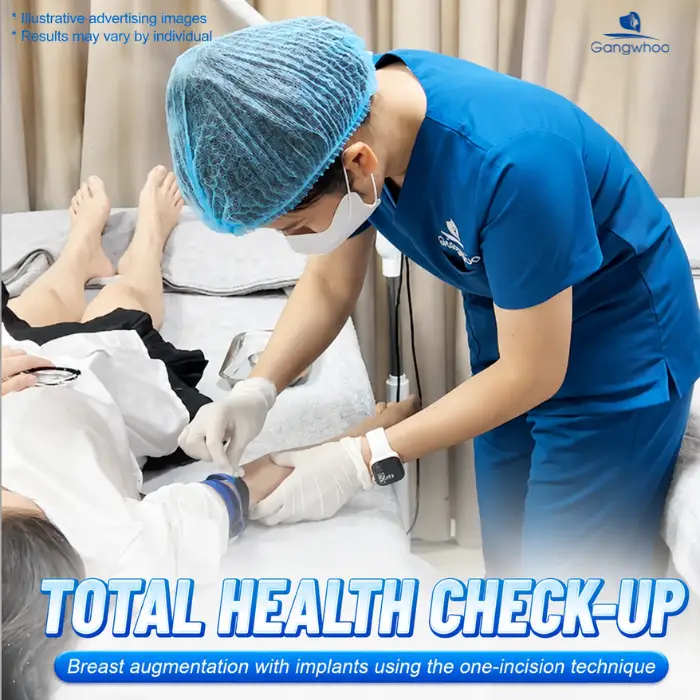
Patients undergo a full preoperative assessment, including blood tests, coagulation testing, electrocardiography (ECG), chest X-ray, and additional specialized examinations if necessary. The objective is to comprehensively evaluate overall health, identify potential risk factors, and ensure the patient is medically fit for surgery.
- Step 3: Breast Tissue Measurement Using Advanced Technology
The surgeon measures important anatomical parameters such as chest width, soft tissue thickness, nipple position, and existing breast tissue volume. These measurements are essential for selecting the most appropriate implant size for each patient.
- Step 4: Personalized Surgical Planning
Based on the consultation findings and anatomical measurements, the surgeon develops a customized treatment plan, including the selection of the implant type, implant size, implant surface, implant placement, and the most appropriate tissue preservation technique to optimize both safety and aesthetic results.
- Step 5: Tissue Preservation Breast Augmentation Surgery
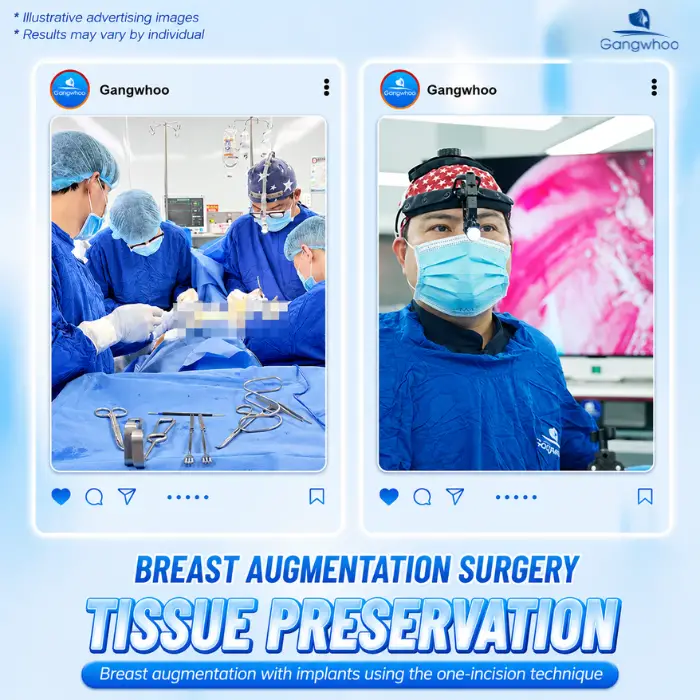
The procedure is performed in a one-way sterile operating room. The surgeon utilizes 4K endoscopy, microsurgical techniques, and tissue-preserving dissection methods to minimize trauma to Cooper’s Ligaments, surrounding blood vessels, and nerves, thereby reducing postoperative pain and facilitating a faster recovery.
- Step 6: Postoperative Monitoring
After surgery, patients are closely monitored for vital signs, pain level, swelling, and recovery progress. Most patients can begin gentle movement within a few hours and may be discharged on the same day once they meet the surgeon’s medical criteria.
- Step 7: Scheduled Follow-up Visits
Patients return for scheduled follow-up appointments so the surgeon can monitor wound healing, implant position, breast stability, and provide detailed postoperative care instructions to maintain long-term aesthetic results.
How Much Does Tissue Preservation Breast Augmentation Cost?
| SERVICE (VND) | PRICE |
|---|---|
| Endoscopic Breast Augmentation (Nano Implant without Chip) | 82,500,000 |
| Endoscopic Breast Augmentation (Nano Chip Implant) | 93,500,000 |
| Endoscopic Breast Augmentation (Mentor Implant) | 99,000,000 |
| Endoscopic Breast Augmentation (Mentor Xtra Implant) | 132,000,000 |
| Endoscopic Breast Augmentation (Mentor Boost Implant – Size < 400cc) | 142,000,000 |
| Endoscopic Breast Augmentation (Mentor Boost Implant – Size > 400cc) | 160,000,000 |
| Endoscopic Breast Augmentation (Ergonomix Implant) | 121,000,000 |
| Endoscopic Breast Augmentation (Ergonomix 2 Implant) | 130,000,000 |
| Endoscopic Breast Augmentation (GCA Perle Implant) | 165,000,000 |
| Nipple Brightening Treatment | 16,500,000 |
| Local Flap Nipple Reconstruction (Bilateral Nipple Reduction) | 22,000,000 |
| Areola Reconstruction (Bilateral Areola Reduction 1–3 cm) | 27,500,000 |
| Areola Reconstruction (Bilateral Areola Reduction 3–10 cm) | 38,500,000 |
| Accessory Breast Tissue Removal (1–2 Accessory Breasts) | 38,500,000 |
| Gynecomastia Surgery (Male Breast Reduction) | 55,000,000 |
| Breast Reduction Surgery | 49,500,000 – 71,500,000 |
| Breast Lift Surgery (Mastopexy) | 44,000,000 – 93,500,000 |
| Sebbin Micro-Textured Breast Implant | 121,000,000 |
| Autologous Fat Transfer Breast Augmentation | 77,000,000 |
Why Do Many Patients Choose Tissue Preservation Breast Augmentation at Gangwhoo Cosmetic Hospital?
Tissue Preservation Breast Augmentation is not simply a new implant placement technique; it is a comprehensive combination of surgical expertise, advanced technologies, and a standardized postoperative care protocol. To maximize the preservation of breast glandular tissue, Cooper’s Ligaments, blood vessels, and nerves, every step of the procedure must be performed with exceptional precision.
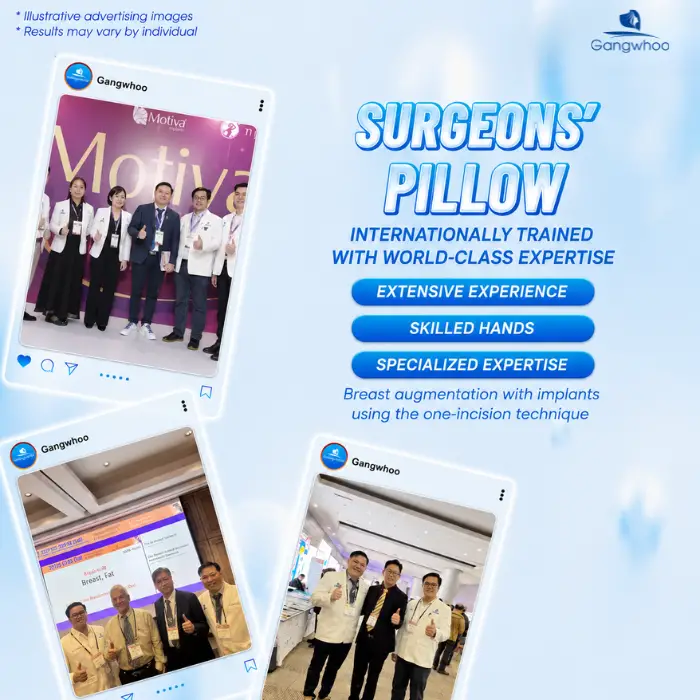
At Gangwhoo Cosmetic Hospital, every Tissue Preservation Breast Augmentation procedure is personalized based on each patient’s unique anatomical characteristics. Our team of experienced surgeons, who participate in annual international training programs in South Korea, the United States, Thailand, Singapore, and other countries, directly evaluates soft tissue thickness, chest anatomy, breast glandular tissue quality, and each patient’s aesthetic goals before recommending the most appropriate treatment plan.
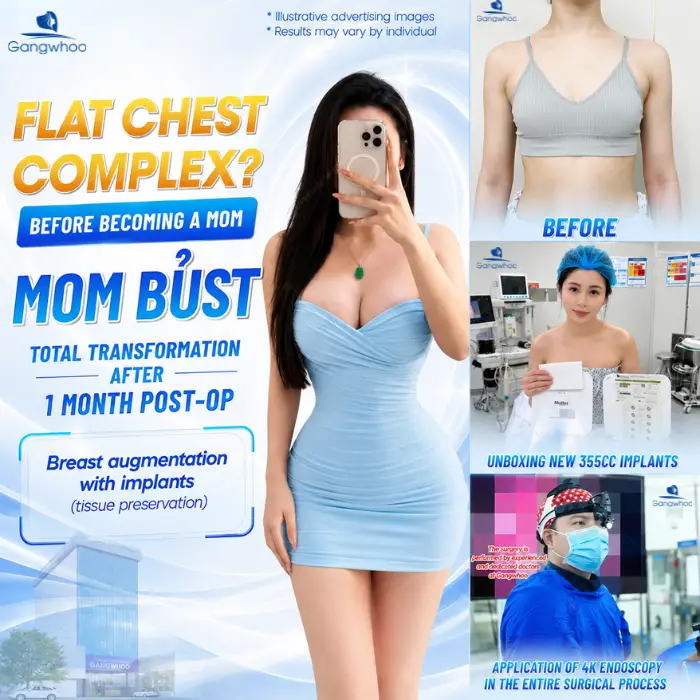
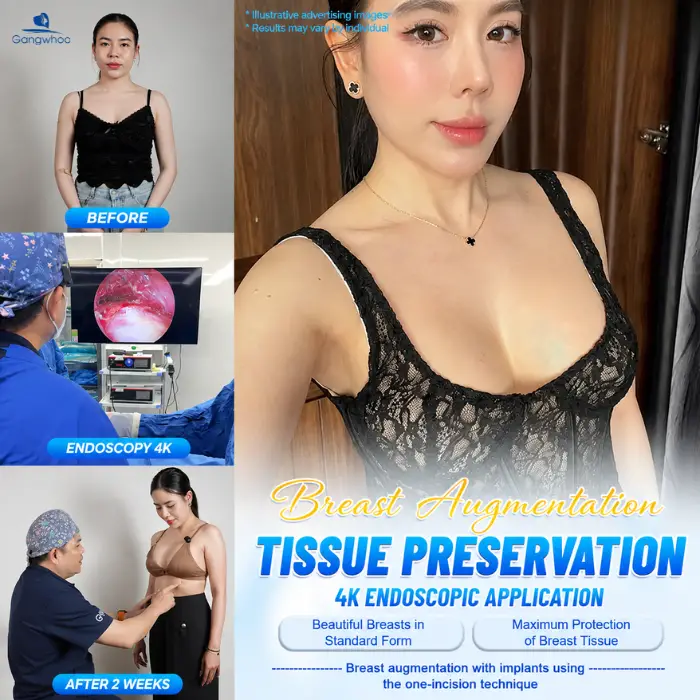
One of the key factors that distinguishes Tissue Preservation Breast Augmentation is the ability to accurately visualize anatomical structures during tissue dissection. The hospital’s 4K endoscopic system provides highly magnified, high-definition images, allowing surgeons to clearly identify blood vessels, nerves, and natural supporting tissues.
As a result, the implant pocket can be created with greater precision, minimizing unnecessary tissue dissection and significantly reducing tissue trauma compared with conventional techniques performed primarily by tactile sensation.
Instead of relying on traditional dissection methods that may cause more extensive tissue trauma, Gangwhoo Cosmetic Hospital incorporates the Harmonic Scalpel during surgery. This technology enables precise tissue dissection while effectively controlling bleeding and minimizing thermal injury to surrounding tissues. As a result, postoperative swelling and pain are reduced, contributing to a smoother and faster recovery.
Gangwhoo Cosmetic Hospital is equipped with the GE Healthcare Carestation 620 anesthesia system, which continuously monitors patients’ vital signs throughout surgery. The anesthesiology team works closely with the surgical team to ensure optimal respiratory and circulatory stability, as well as a smooth and safe recovery from anesthesia.
All breast augmentation procedures at Gangwhoo Cosmetic Hospital are performed using genuine breast implants with clear origins, regulatory approval, and internationally recognized safety certifications. Following surgery, patients continue to receive scheduled follow-up evaluations, detailed postoperative care instructions, and ongoing monitoring throughout every stage of recovery.
Frequently Asked Questions About Tissue Preservation Breast Augmentation
Is Tissue Preservation Breast Augmentation painful?
Postoperative discomfort is generally milder because the tissue preservation technique minimizes trauma to blood vessels, nerves, and the natural supporting structures of the breast. Rather than creating a wide surgical pocket as in conventional techniques, the surgeon uses a minimally invasive approach, resulting in significantly reduced postoperative swelling and pain.
Will nipple sensation be preserved?
One of the primary objectives of Tissue Preservation Breast Augmentation is to preserve the sensory nerve branches surrounding the areola and nipple as much as possible. By minimizing unnecessary disruption to the nerve network, this technique generally offers a better chance of maintaining natural breast sensation after surgery, particularly in appropriately selected patients.
Will I need to replace my breast implants?
Modern genuine breast implants are designed with excellent durability and high biocompatibility. Implant replacement is not determined by a fixed timeframe but depends on the actual condition of the implants, the health of the breast tissue, and each patient’s aesthetic goals over time.
Will there be visible scars?
The incision used in Tissue Preservation Breast Augmentation is typically placed in a discreet location and designed to be as small as possible to minimize invasiveness. When combined with microsurgical techniques, 4K endoscopy, and proper postoperative care, scars usually fade progressively over time and achieve excellent cosmetic outcomes once fully healed.
We hope this article has provided you with valuable insights into Tissue Preservation Breast Augmentation. To determine the most suitable and safest treatment option for your needs, visit Gangwhoo Cosmetic Hospital for a comprehensive examination and personalized consultation with our specialists.