





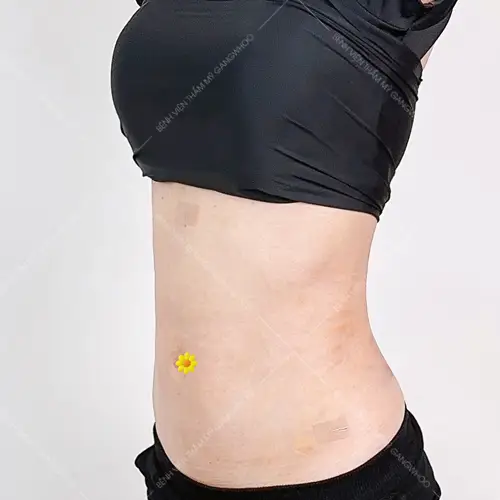
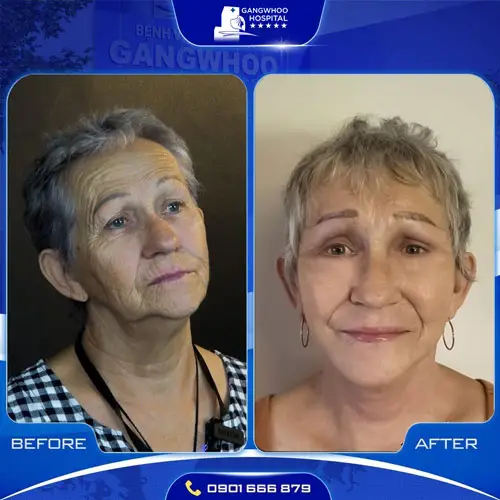
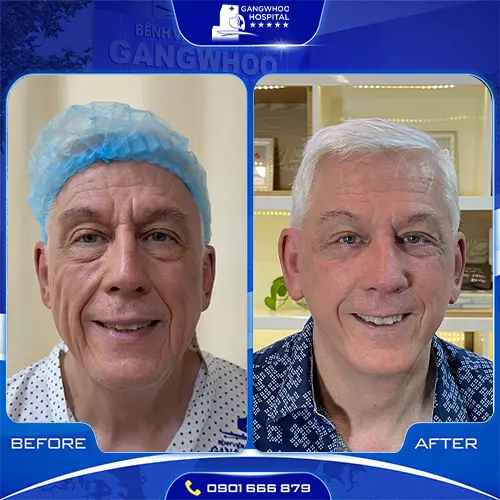
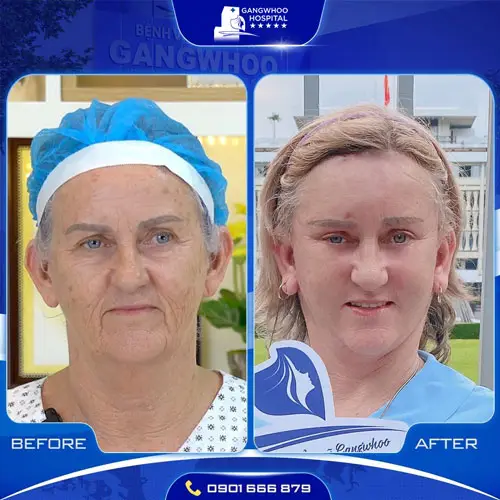
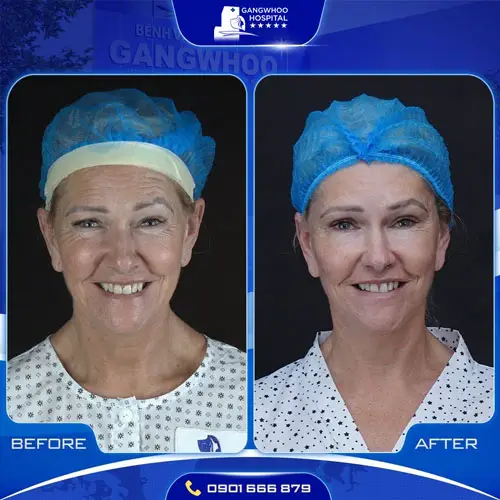
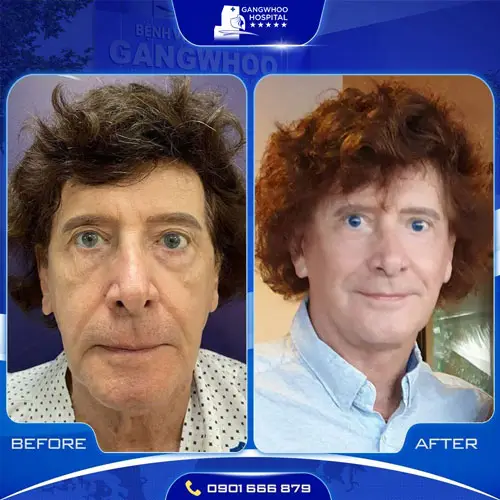
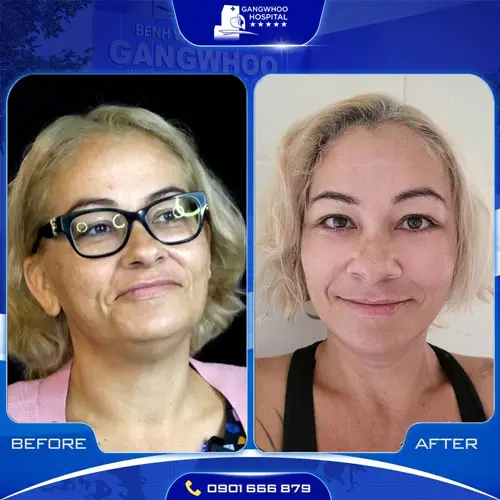



Recovery of facial muscles and the disappearance of symptoms can take anywhere from 2 weeks to 6 months. In most cases, the recovery of movement and function of the facial muscles will take about 3 months. Prolonged recovery time is often accompanied by some forms of functional abnormalities on the face.
In some cases where muscle cells function well, the mouth achieves the ability to smile and purse the lips almost to the original state after surgery. The degree of recovery after surgery depends on each patient, the patient’s treatment process before surgery, and whether the muscles are degenerated, fibrotic, or adhered.
If facial paralysis surgery is performed using the correct method and the patient fully complies with the post-operative care procedure, the recurrence rate is low. However, in some cases, recurrence can still occur, and this depends on each specific case. If you are concerned about the recurrence phase of facial paralysis surgery, consulting with a doctor is the best way to get detailed and accurate answers.
After facial paralysis surgery, the recovery process will be extremely important and can last for many months or years. Some recovery exercises may include: Focusing on strengthening muscles and nerves in the paralyzed area: You may be instructed to perform simple exercises such as nodding, smiling, or rotating your neck to stimulate the muscles and nerves in the paralyzed area. Massage and teeth clenching to improve flexibility.
Once the wound has healed and there is no more bleeding, you can eat seafood normally. The time for the wound to heal completely can vary depending on the severity of the wound and each person’s health condition. However, if you have any health-related concerns, you should consult a doctor for timely advice and treatment.
Typically, after facial paralysis surgery, patients need to rest for 2 to 4 weeks for the wound to heal completely. However, the total recovery time can range from several months to a year depending on the severity of the condition and each individual’s recovery process. Patients can return to sports activities after receiving permission from their treating physician and ensuring there are no related issues.
After facial paralysis surgery, patients need to supplement with a nutritionally adequate diet and muscle exercises to help with recovery and health regeneration. Additional treatment with therapies such as physical therapy, massage, and acupuncture can also support the recovery process. However, specific post-operative requirements will depend on each individual case and will be prescribed by the doctor.
After facial paralysis surgery, the time to be exposed to water will depend on the type of surgery and the doctor’s instructions. However, typically, doctors will advise patients to avoid contact with water for about 24 to 48 hours after surgery to reduce the risk of infection or loss of control over neurological and bodily reactions due to water.

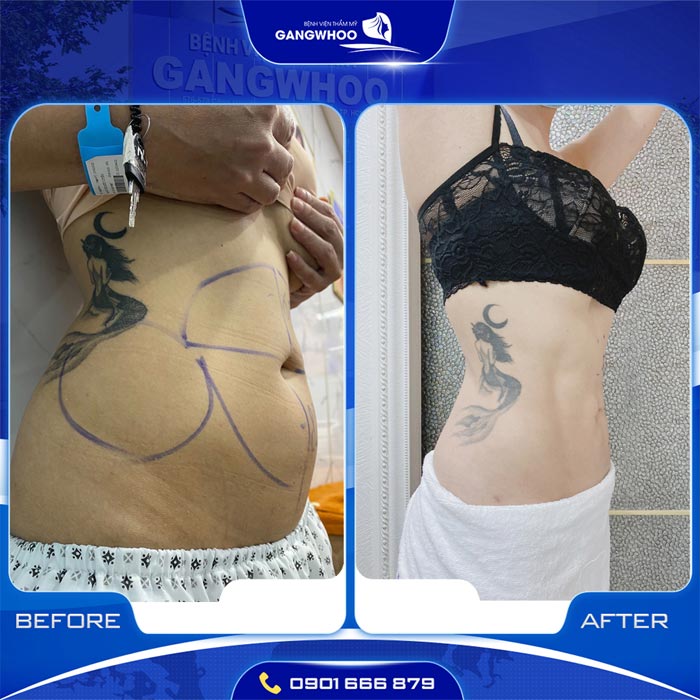
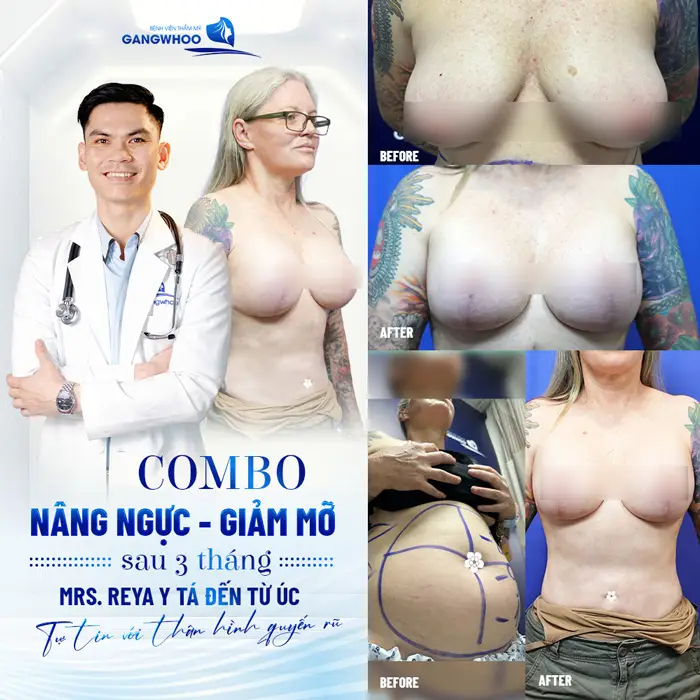
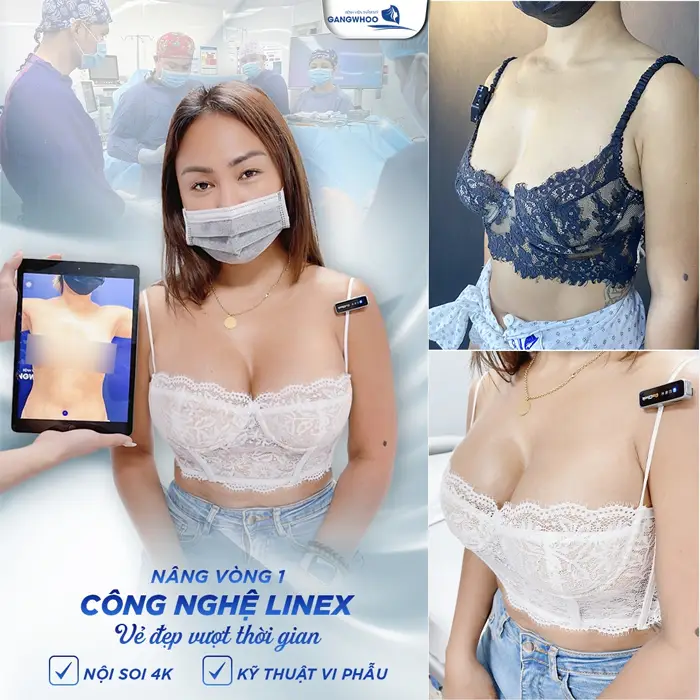
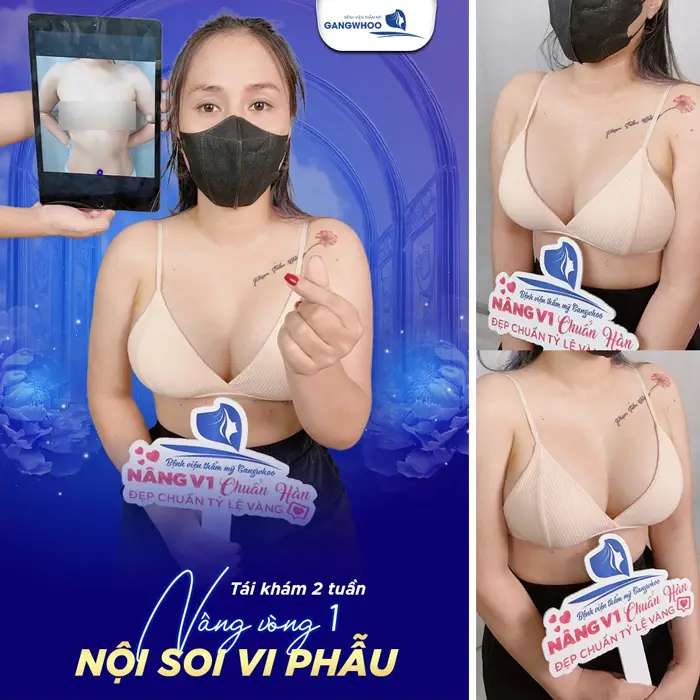
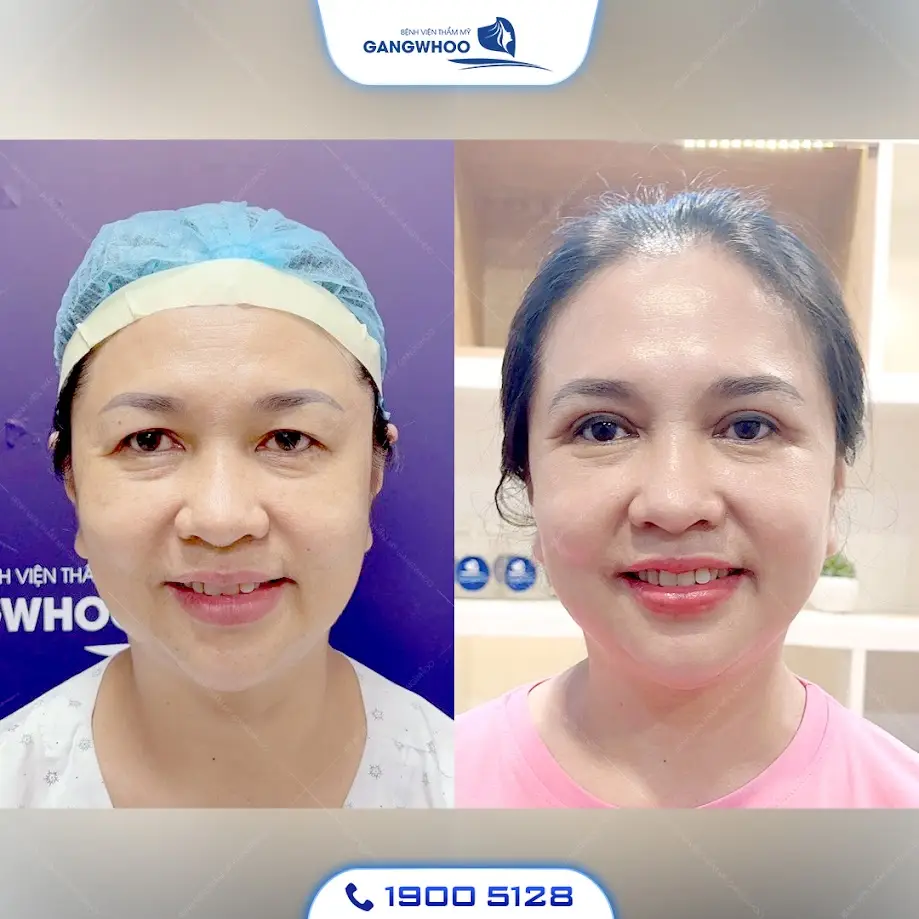
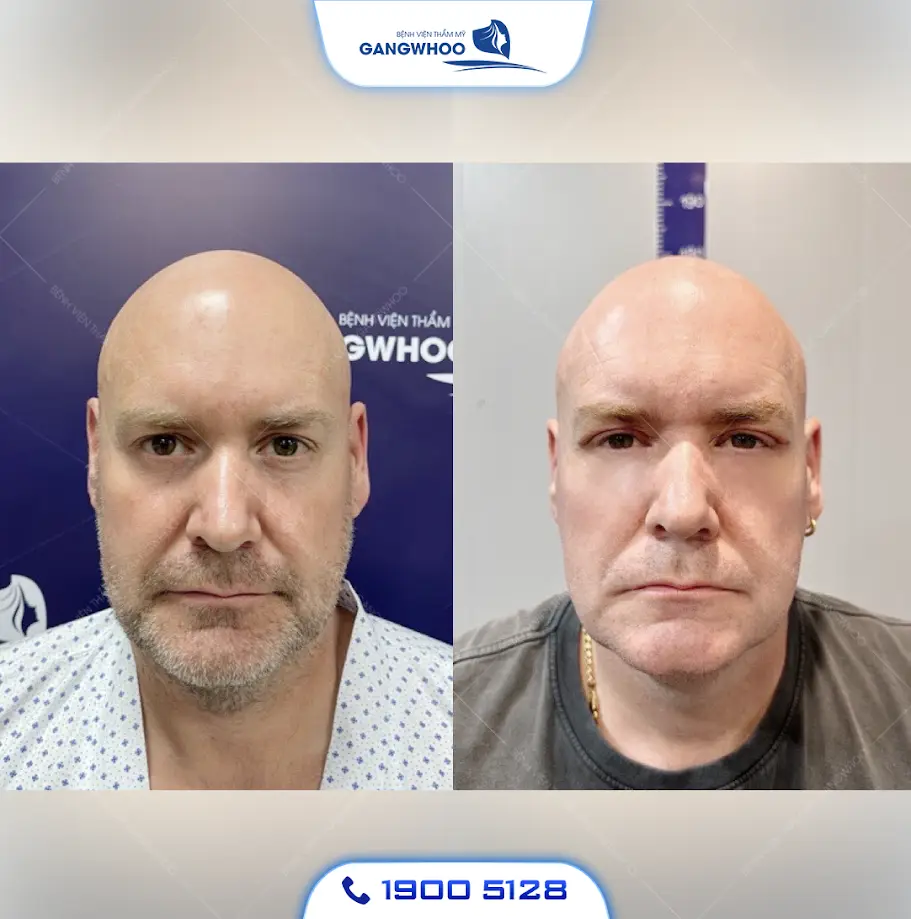
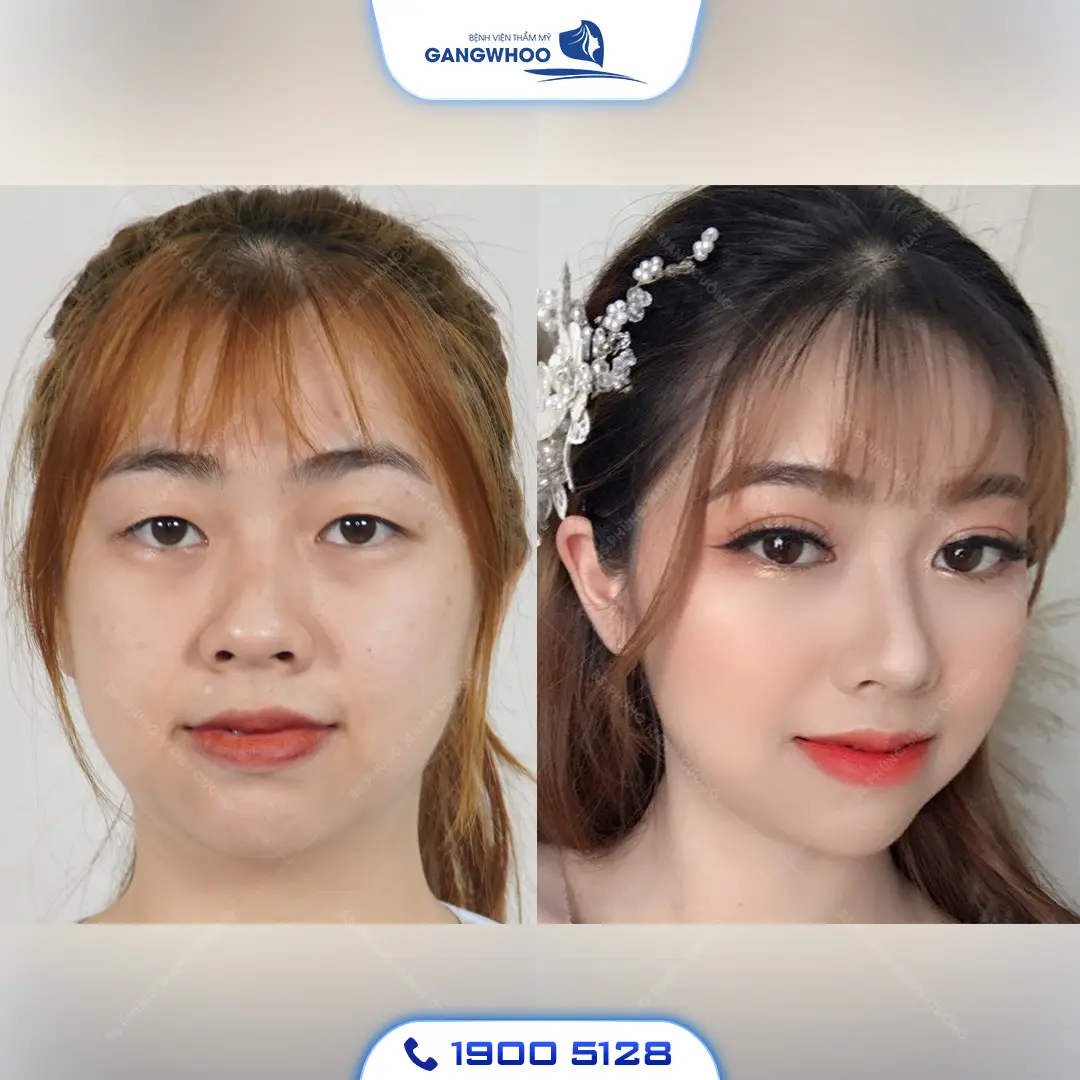
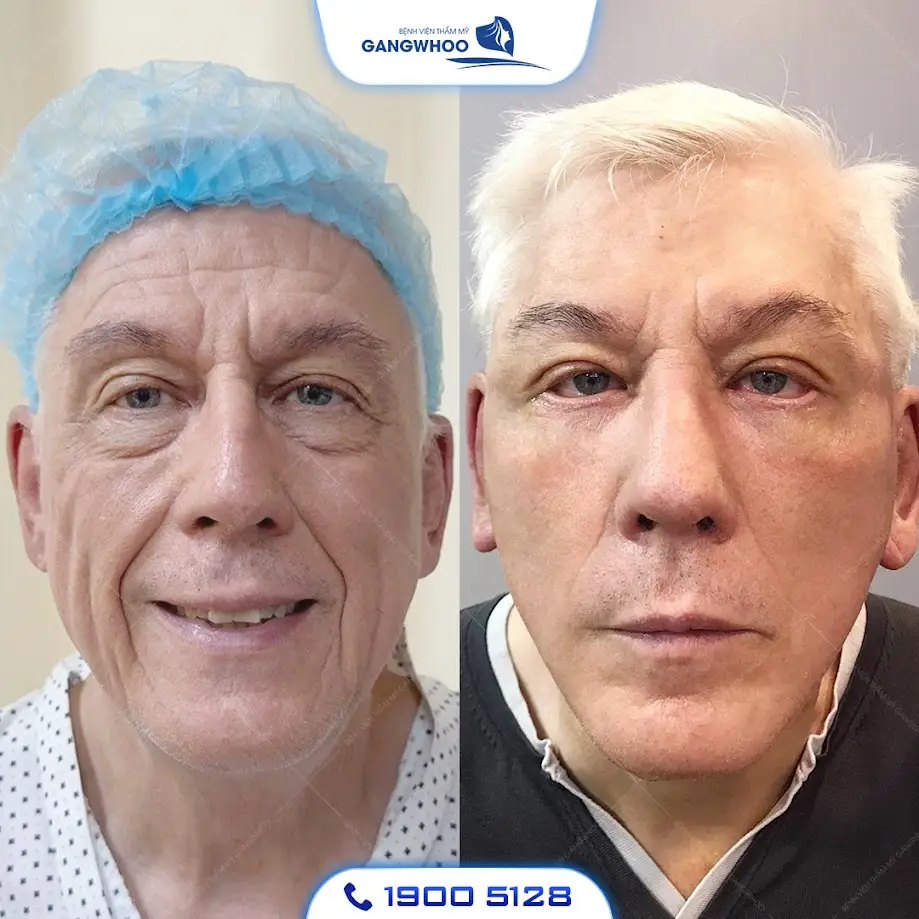
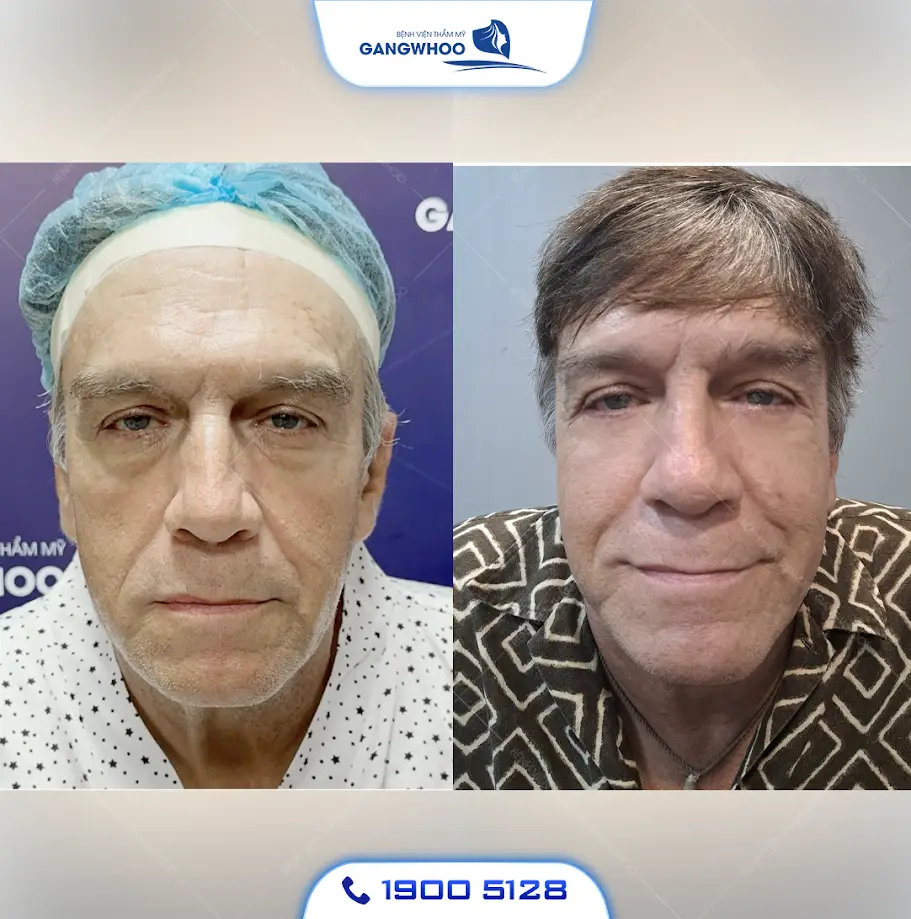
Check out the amazing results below
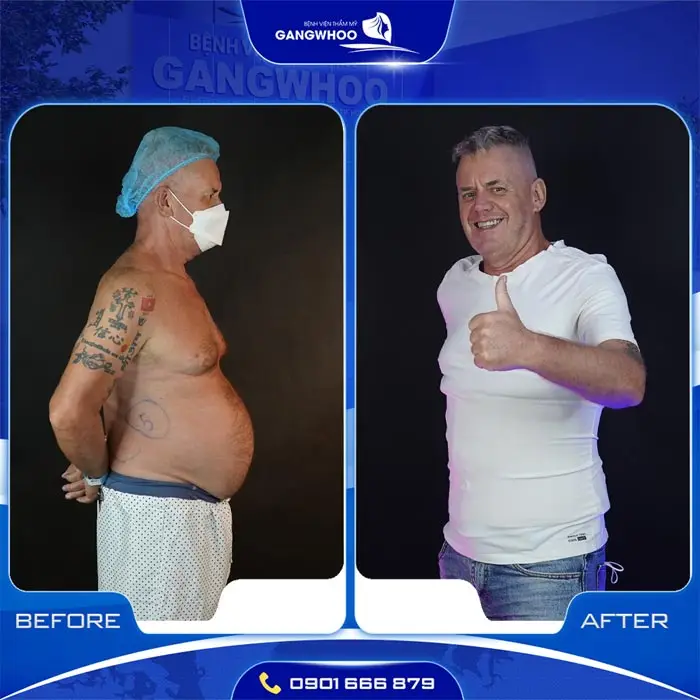
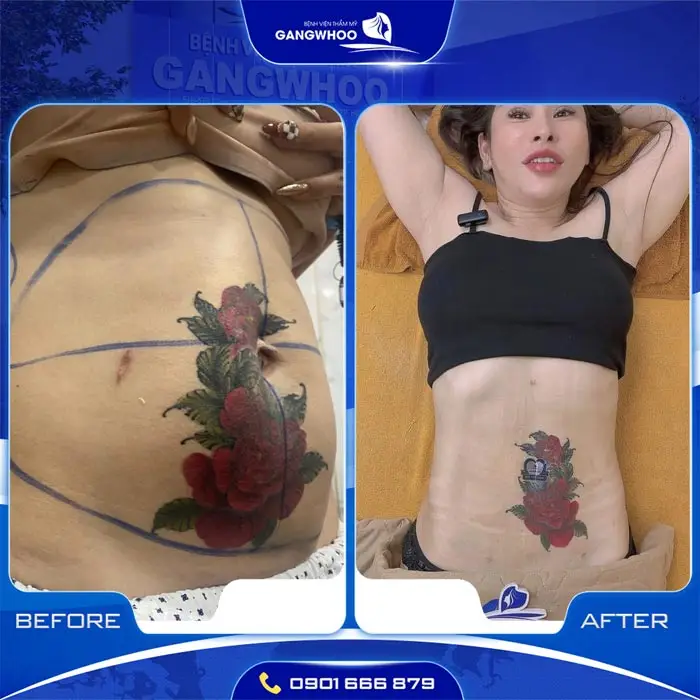
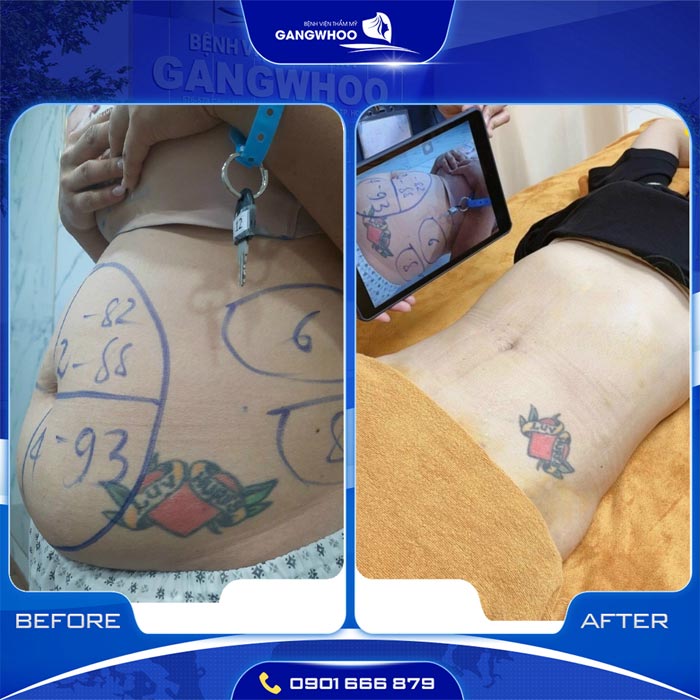
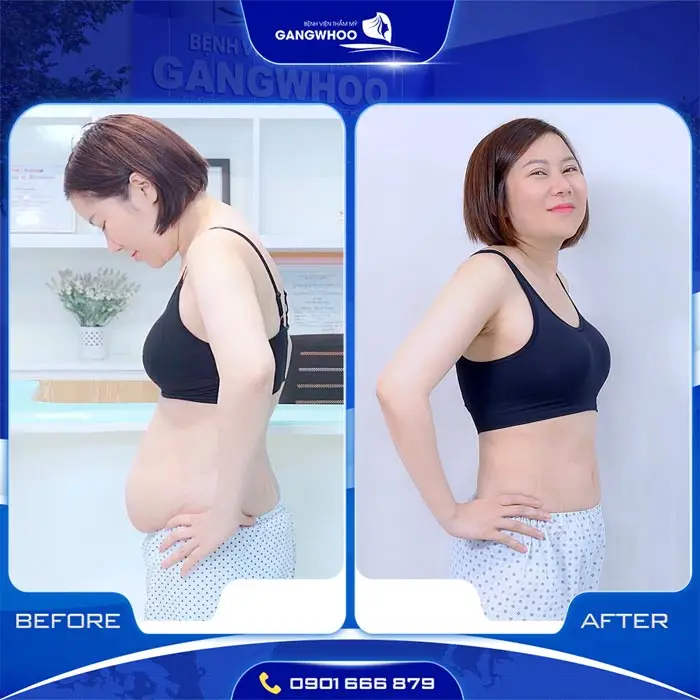
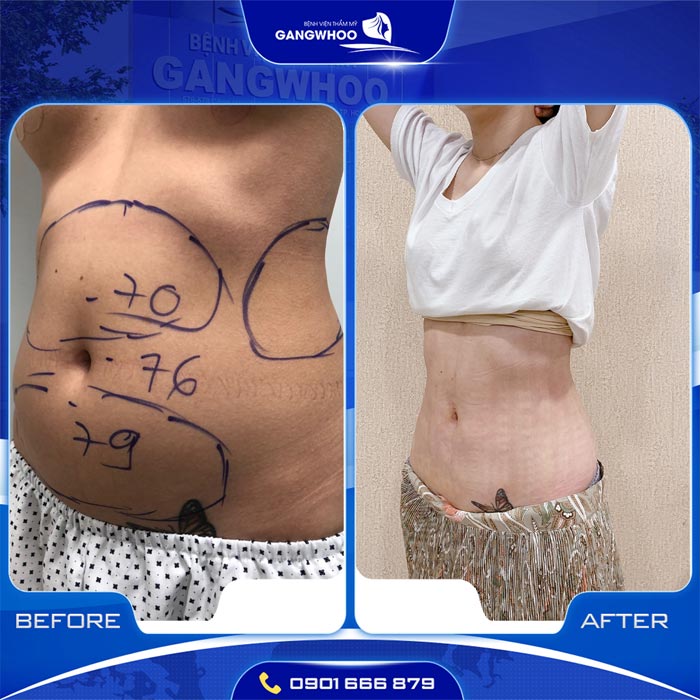






Let’s see what they say about Gangwhoo!

“
The beauty service here is really good. I found Vietnamese people to be very enthusiastic. The doctor gave me great consultation and care. Not to mention, the cost is much lower than in Germany.”

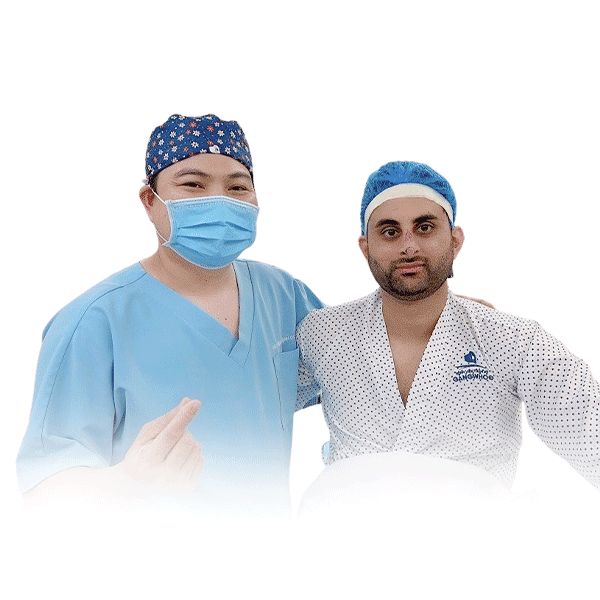
“
The technology here and Dr. Cuong’s techniques are just as good as those in my country, but the cost is much lower. That’s why I decided to come to Vietnam—not only for aesthetics but also for relaxation.”


“
I have a friend in Australia who had a beauty treatment in Vietnam and recommended Dr. Cuong to me. I noticed a clear transformation in my friend. Since the cost is also much lower than in Australia, I had no hesitation about coming to Vietnam for cosmetic procedures.”


“
I happened to see an ad on Facebook and learned about Dr. Cuong. I was very impressed by his technique—the difference in the patients before and after was striking. I got curious and messaged for more info. The consultation was very enthusiastic and thorough, so I decided to put my trust in them and come to Vietnam for beauty treatments.”
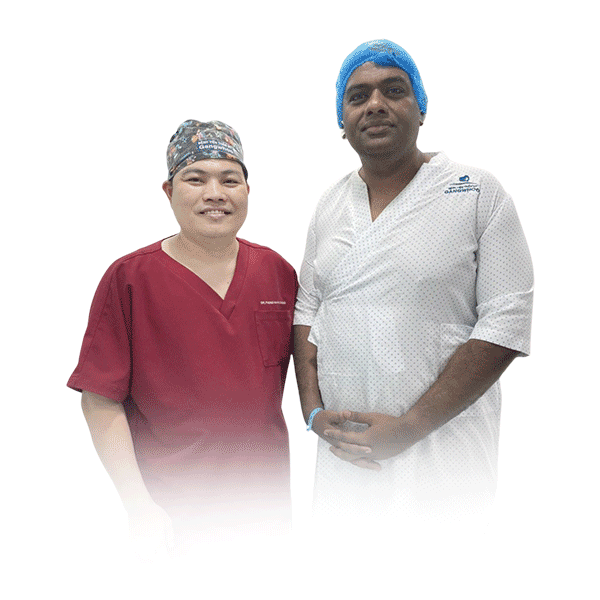
“
Cosmetic procedures in the U.S. are very expensive. However, here the cost is only about 30%, yet the technology and facilities are not inferior. So I booked a flight to Vietnam for aesthetics.”

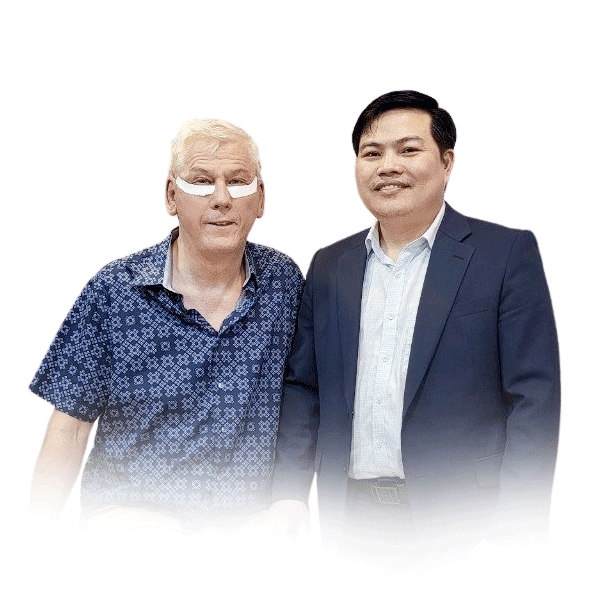
“
I came to Vietnam for travel, and suddenly I saw an ad for Dr. Cuong. I noticed many international clients coming here for services, so I decided to give it a try. The doctor seemed very professional, so I went ahead with the treatment.”


“
I’ve always been fascinated by Vietnam’s history and culture. One day, I came across a Facebook ad about Dr. Cuong and was impressed by his aesthetic technique and the reasonable cost. I decided to come to Vietnam for beauty treatments and travel at the same time.”

Bệnh Viện Thẩm Mỹ Gangwhoo Vươn Tầm Quốc Tế
Lượt xem: 12.861

Lượt xem : 25.761

Lượt xem : 12.158

Lượt xem : 38.034

Trải nghiệm thẩm mỹ kết hợp du lịch ở Củ Chi của khách hàng Quốc Tế
Lượt xem : 10.350

Lượt xem : 39.296

Nâng Mũi Công Nghệ Cao – Đẹp Mà An Toàn Tại Gangwhoo
Lượt xem : 220.952

Review Công Nghệ Nội Soi 4K Tại Gangwhoo
Lượt xem : 5.230

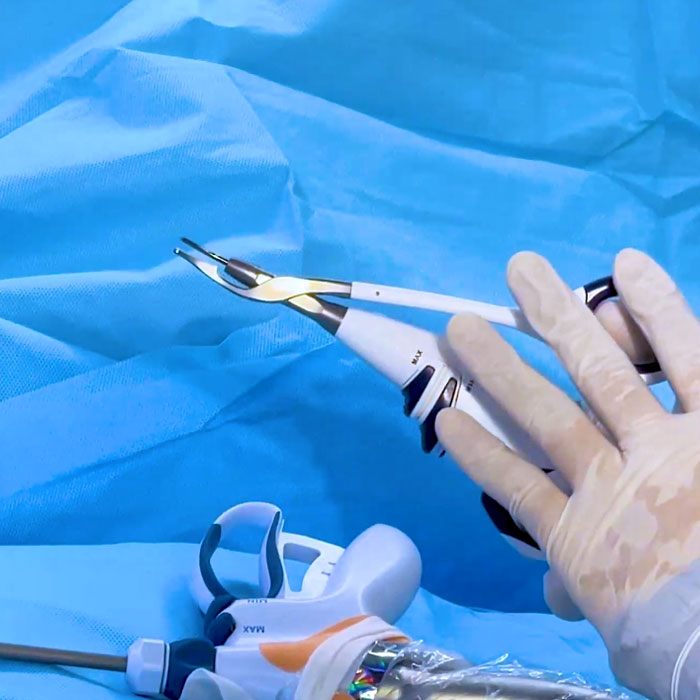


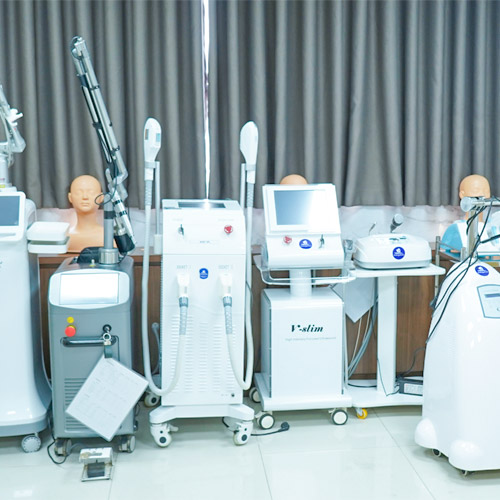


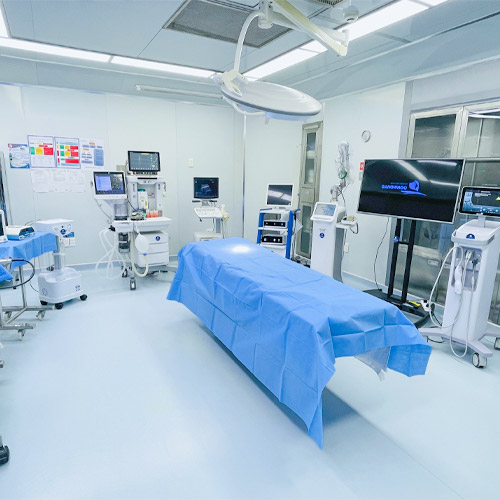
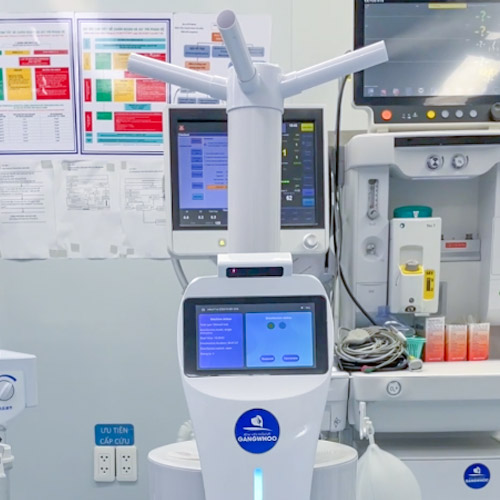
Fully meets the safety standards set by the Ministry of Health. Completely sterile and fully equipped with medical instruments and devices.
Installed in the surgical room, it moves around and sprays disinfectant to ensure a sterile environment.
Helps doctors clearly analyze facial structures to develop accurate aesthetic plans.
Allows customers to visualize their post-procedure appearance, helping them make informed decisions.
Minimizes invasiveness, improves surgical precision, and reduces damage to surrounding tissues.
An ultrasonic scalpel that causes minimal tissue trauma, reducing injury with high precision.
Designed for bone cutting without affecting soft tissues, significantly reducing swelling and bruising after surgery.
Helps eliminate bacteria, reduce inflammation, minimize swelling and bruising after cosmetic procedures, and accelerates wound healing.
Modern, high-tech equipment that meets all the needs of customers seeking non-surgical aesthetic treatments.

Giáo Sư – Bác Sĩ Hàn Quốc – Ông hiên đang là cố vấn chuyên môn tại Gangwhoo


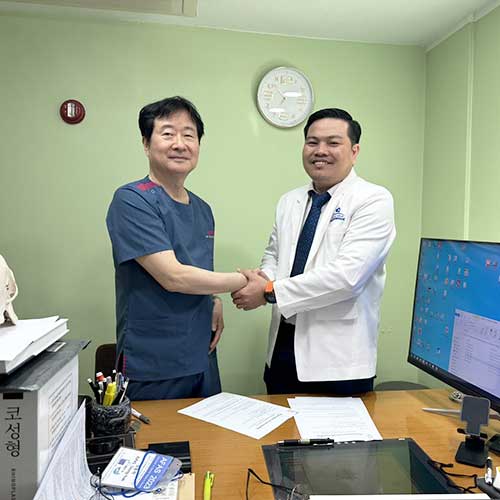

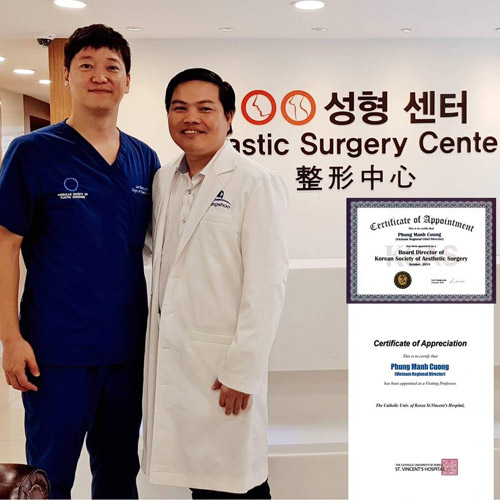
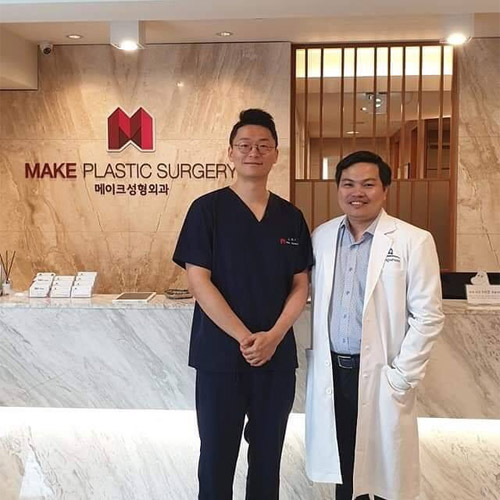
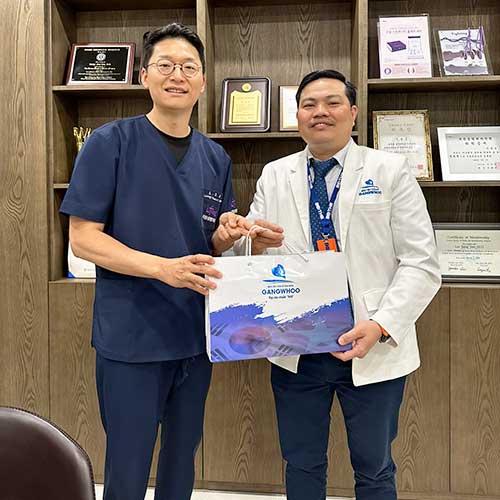

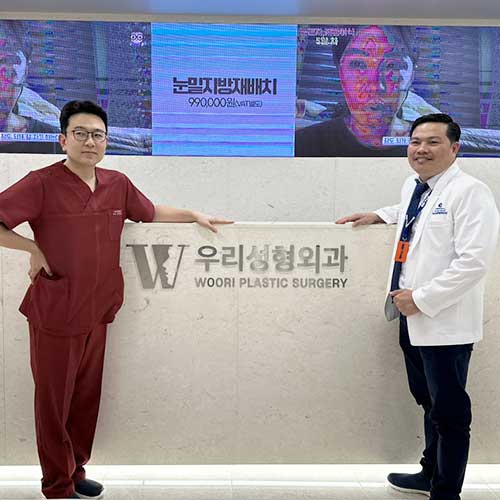

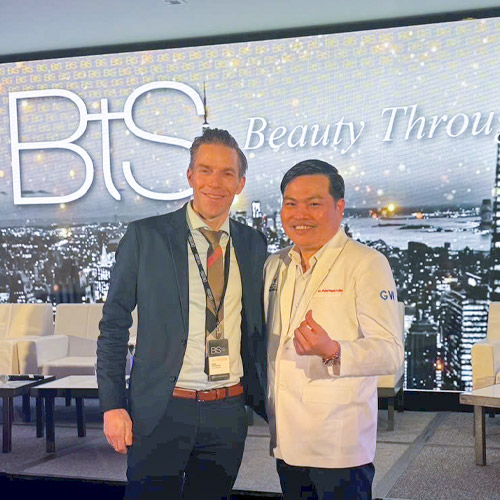



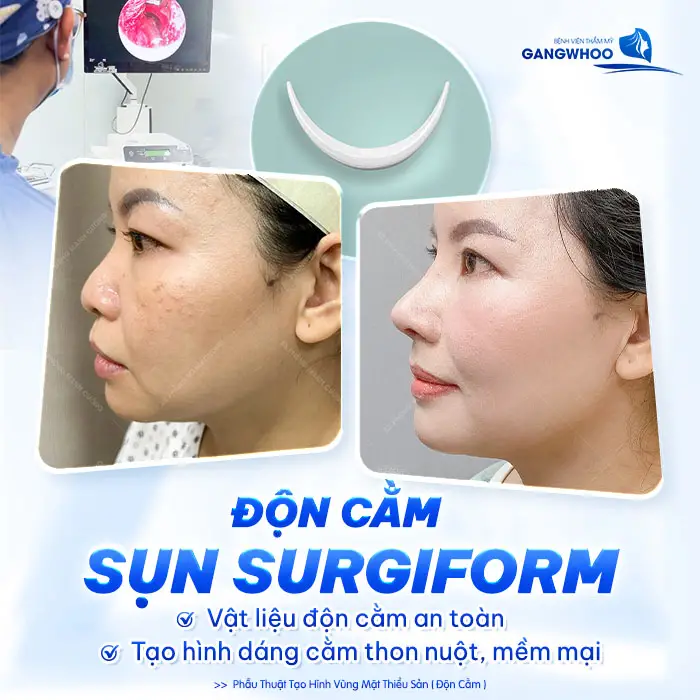
Table of Contents A short, recessed, or under-projected chin can make the face look unbalanced,...
Table of Contents Full, well-proportioned buttocks are one of the body-shape criteria that many people...

Table of Contents What should I do if my chin implant is misaligned? This is...

Table of Contents Is chin augmentation permanent? This is a question I frequently encounter from...

Table of Contents A healthy, beautiful smile not only enhances facial aesthetics but also improves...

Table of Contents In recent years, Tissue Preservation Breast Augmentation has become a new trend...

Table of Contents Specialist Level I Physician Nguyen Van Hoang is a physician specializing in...

Table of Contents Specialist Level II Physician Tran Thanh Long – Anesthesiologist and Resuscitation Specialist...