







Pain, soreness, and tenderness at the perineal suture site
Fever or chills
Severe lower abdominal pain
Burning sensation or pain during urination and defecation
Minor spotting or clotting bleeding
For the first two hours following surgery, it is advised to avoid any contact of the vaginal area with water.
Subsequently, take prescribed antibiotics for approximately five days to reduce swelling and inflammation, and to prevent bacterial infections in the vaginal region. Additionally, do not remove the surgical dressing prematurely; follow your surgeon’s instructions carefully.
To prevent infections and fungal irritations post-cosmetic surgery, proper hygiene is critical.
Avoid using harsh cleansing agents or inserting fingers deeply into the vaginal canal, as this can cause tissue damage and increase the risk of bacterial invasion.
Use only mild, doctor-recommended cleansing solutions to maintain cleanliness without harming the delicate tissues or disrupting the natural flora.
Although patients can usually return home shortly after surgery without disrupting daily activities, extended rest is essential to promote faster healing of the vaginal tissues.
Avoid cycling, strenuous physical activities, or heavy labor to minimize complications and protect the surgical site.
Abstaining from sexual intercourse is crucial during the recovery period because sexual fluids can create an environment conducive to bacterial growth, and mechanical stress can cause tissue damage or suture disruption, compromising surgical outcomes.
Surgeons typically recommend refraining from sexual activity for 4 to 8 weeks post-procedure
Emotional well-being significantly impacts recovery. Patients should strive to remain calm, happy, and free from stress, anxiety, or anger, as negative emotions can delay healing.
To facilitate optimal recovery, maintain a balanced diet rich in essential nutrients:
Proteins (meat, fish, etc.)
Carbohydrates (rice, potatoes, etc.)
Fiber (green vegetables, soups, etc.) to prevent constipation, which can adversely affect vaginal healing.
Avoid stimulants and harmful substances such as caffeine, tobacco, alcohol, and other addictive agents that can impair tissue regeneration and overall health.
You should avoid sexual intercourse for at least one month. Specifically, doctors typically recommend refraining from sexual activity or masturbation for about 6 weeks, or even up to 6 to 8 weeks after vaginal reconstruction surgery.
Generally, it takes about 7 to 10 days for the vaginal area to heal after this surgical procedure. However, this timeframe is not fixed and depends on each individual’s unique healing process.
It is not advisable to consume seafood after surgery because these foods may cause keloid scars and irritation. To avoid adverse effects, patients should abstain from eating seafood during the recovery period.
You may gradually return to physical exercise after 3 to 4 weeks, depending on how quickly your incision heals. However, it is recommended to consult your surgeon for specific guidance tailored to your case.
About 3 days after labiaplasty, the wound begins to dry and close. Around 7 days post-surgery, the stitches will gradually dissolve. By the 30th day, the entire surgical site is usually completely healed, with the labia appearing smooth, tight, soft, and naturally pink
Patients can shower the day after surgery but should avoid taking baths or swimming for at least a few weeks to prevent infection and promote optimal healing.

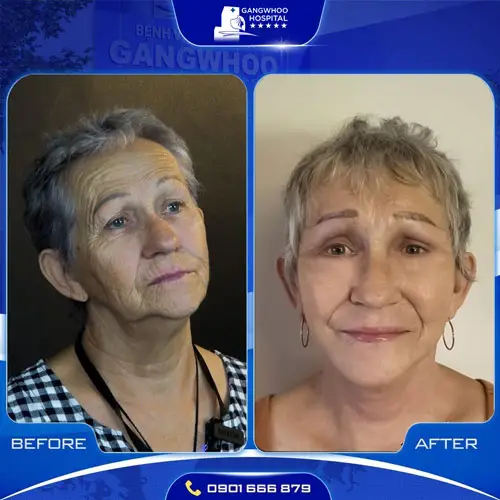
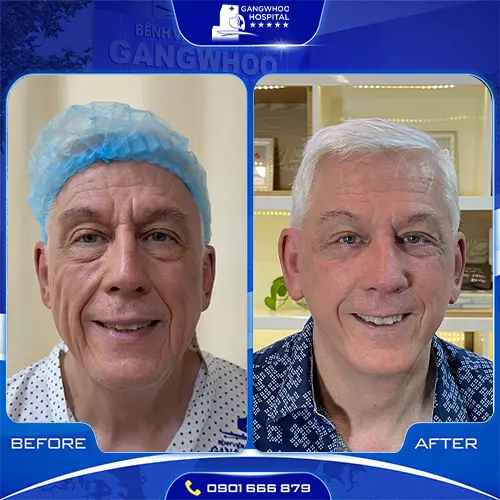
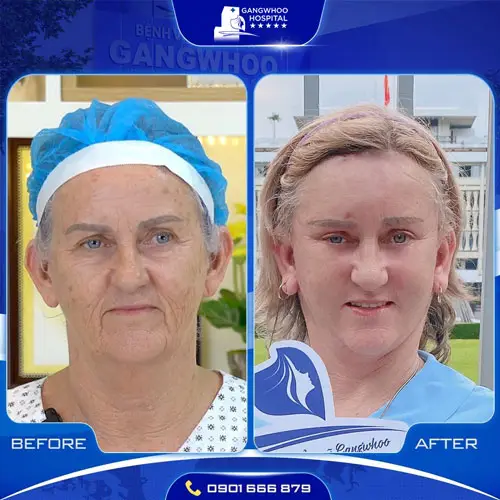
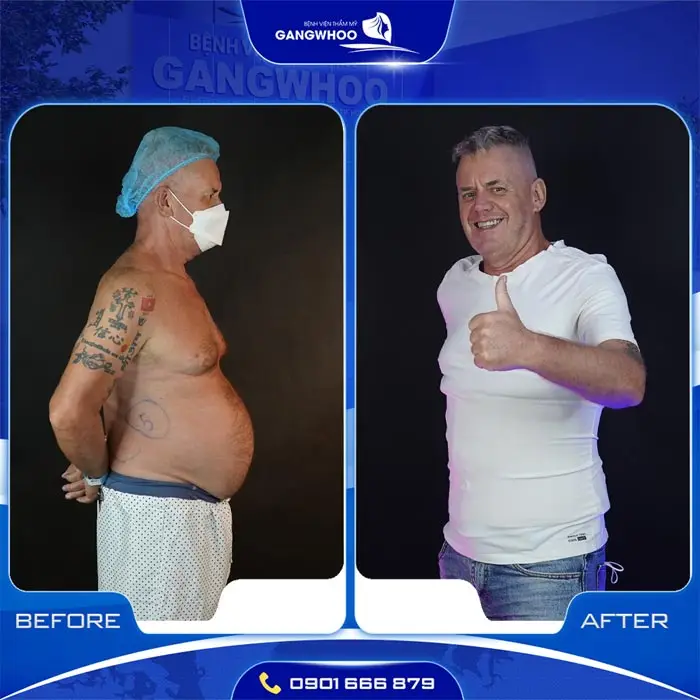
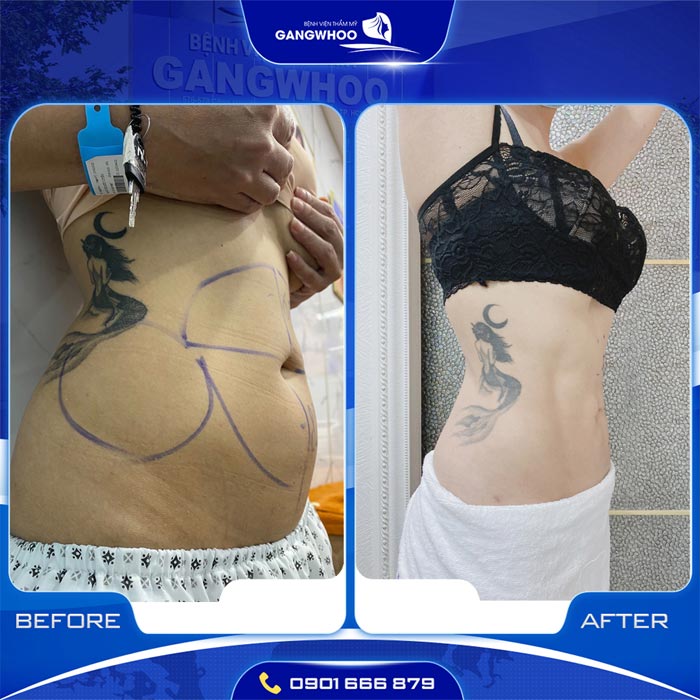
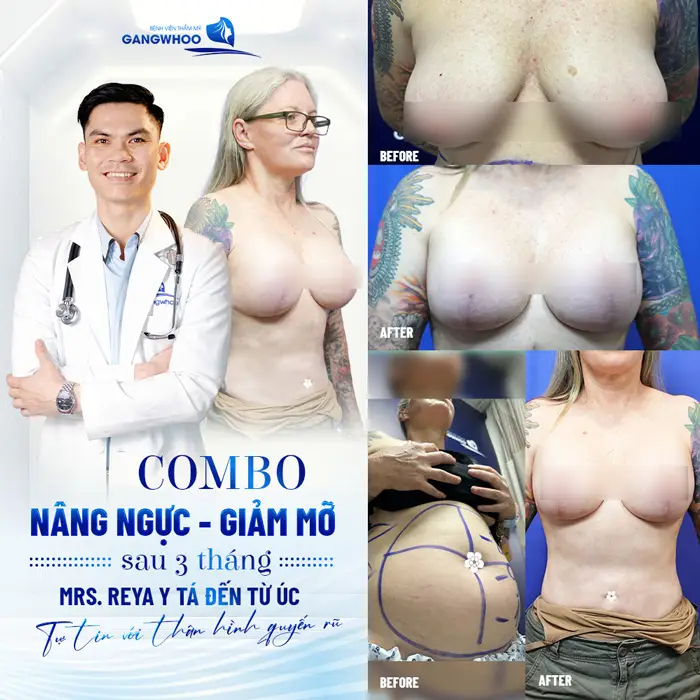
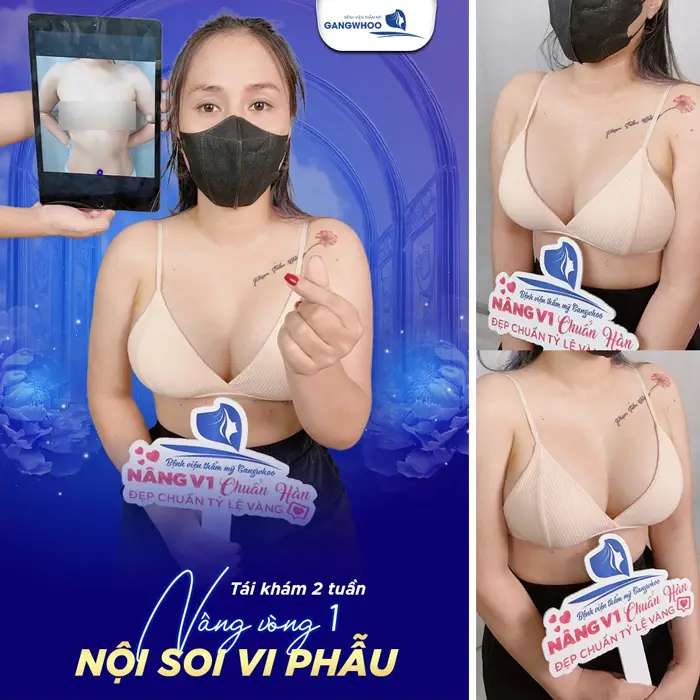
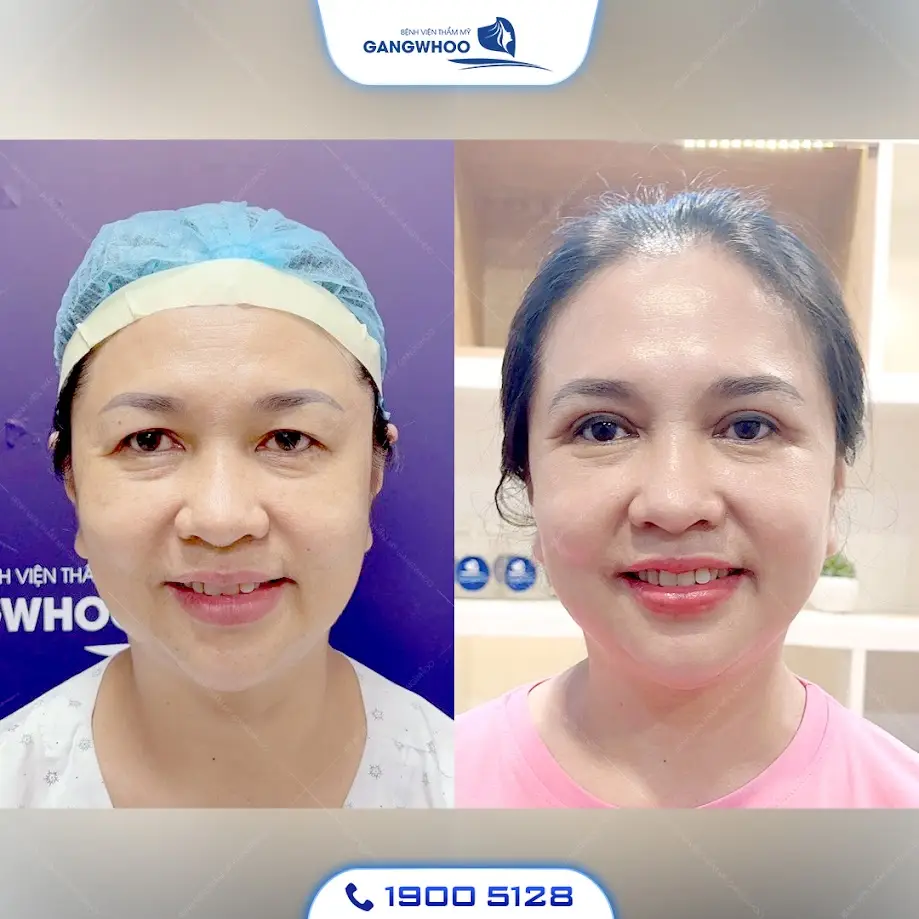
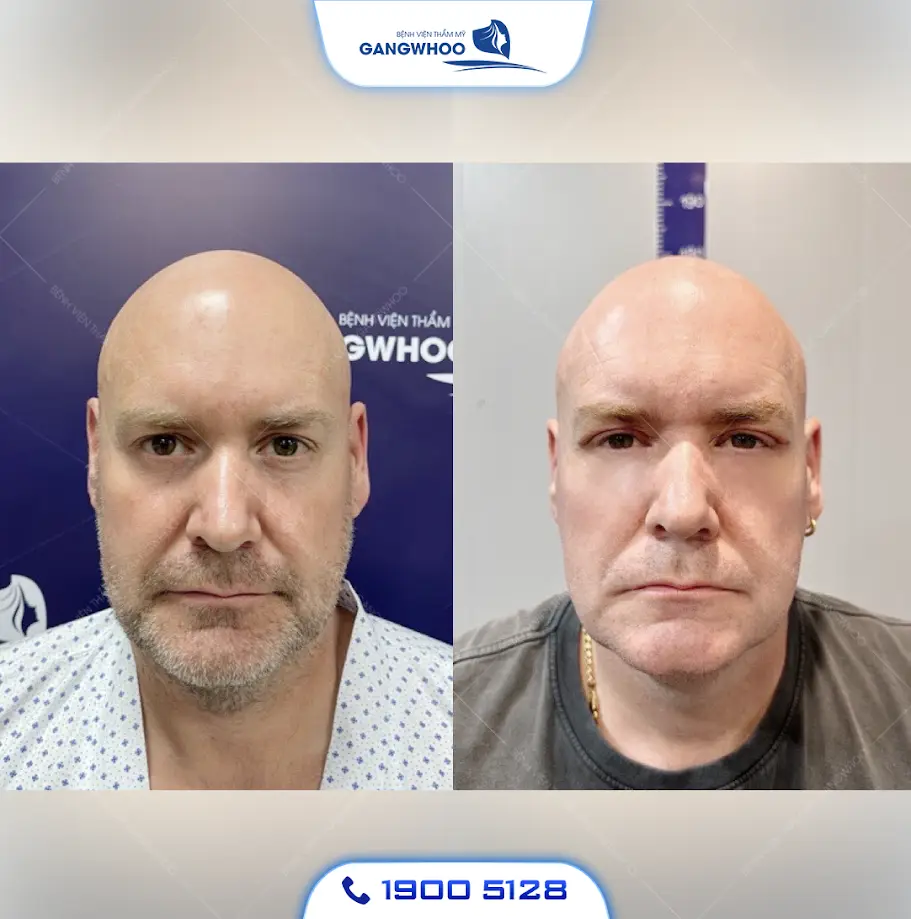
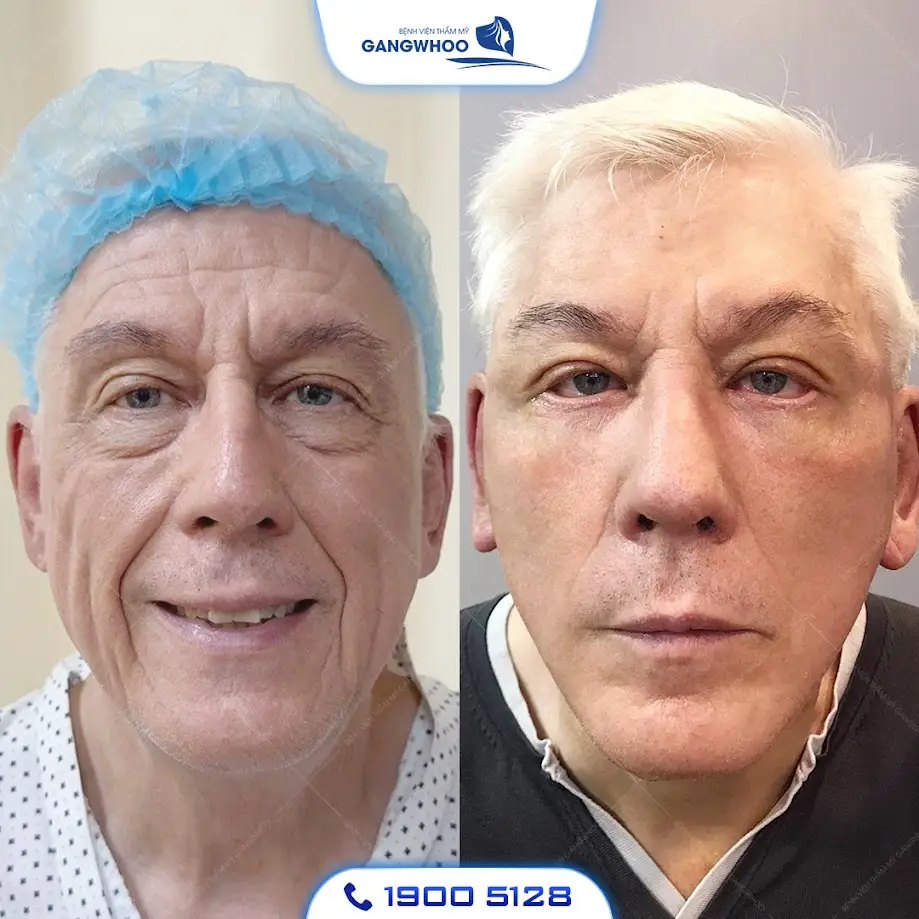
Check out the amazing results below




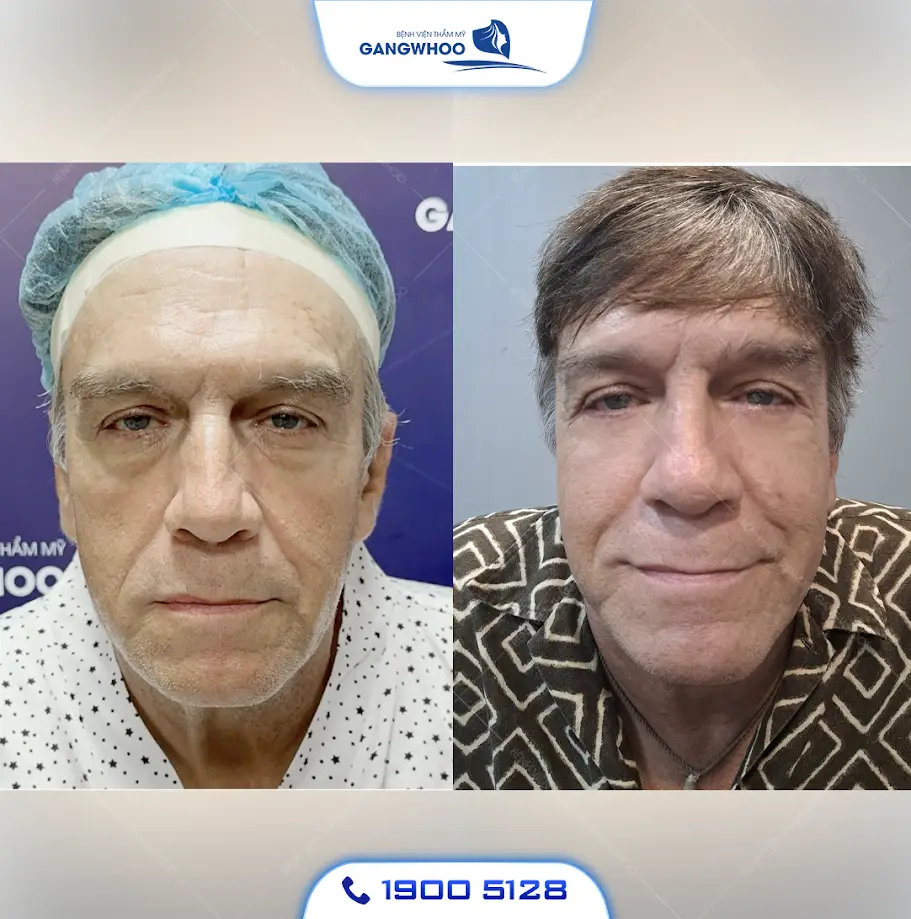


Let’s see what they say about Gangwhoo!

“
The beauty service here is really good. I found Vietnamese people to be very enthusiastic. The doctor gave me great consultation and care. Not to mention, the cost is much lower than in Germany.”

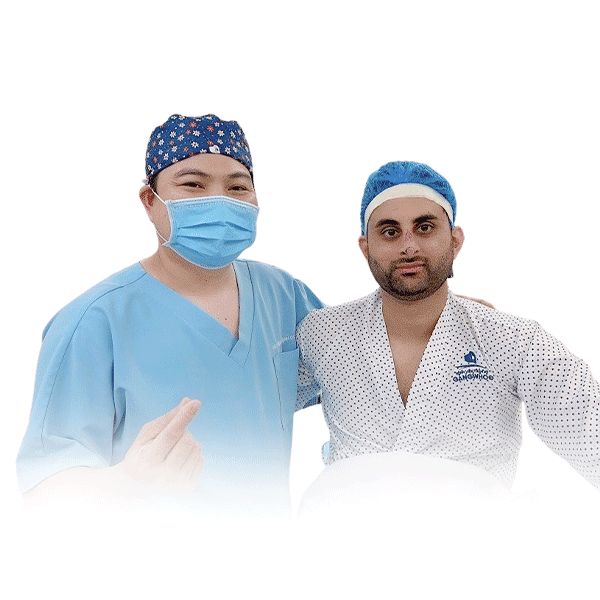
“
The technology here and Dr. Cuong’s techniques are just as good as those in my country, but the cost is much lower. That’s why I decided to come to Vietnam—not only for aesthetics but also for relaxation.”


“
I have a friend in Australia who had a beauty treatment in Vietnam and recommended Dr. Cuong to me. I noticed a clear transformation in my friend. Since the cost is also much lower than in Australia, I had no hesitation about coming to Vietnam for cosmetic procedures.”

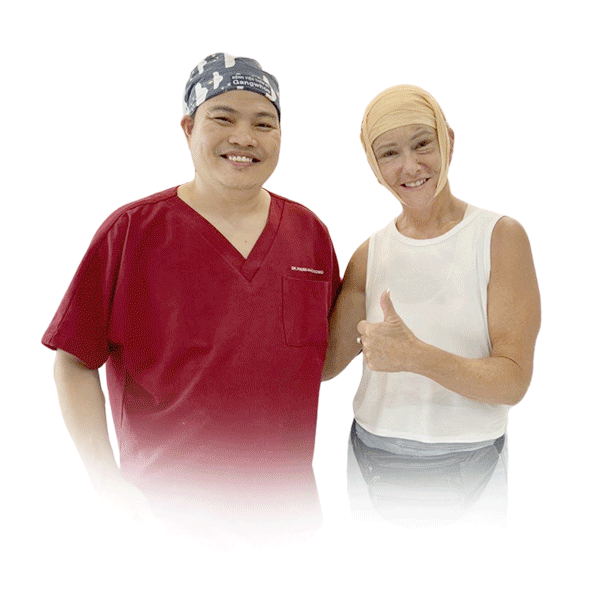
“
I happened to see an ad on Facebook and learned about Dr. Cuong. I was very impressed by his technique—the difference in the patients before and after was striking. I got curious and messaged for more info. The consultation was very enthusiastic and thorough, so I decided to put my trust in them and come to Vietnam for beauty treatments.”
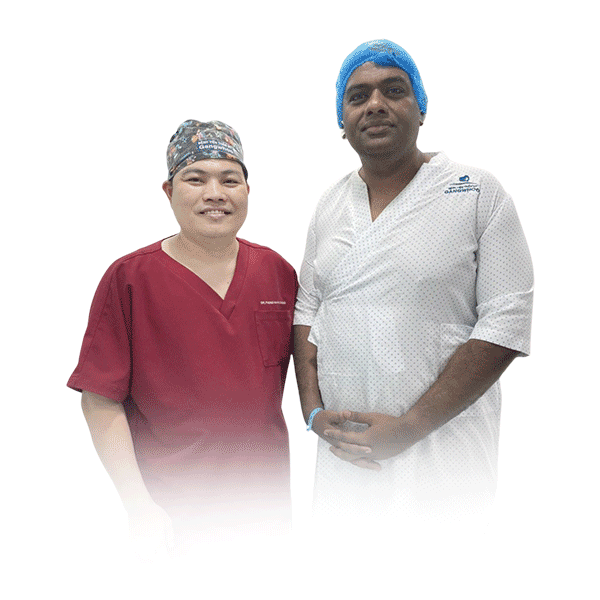
“
Cosmetic procedures in the U.S. are very expensive. However, here the cost is only about 30%, yet the technology and facilities are not inferior. So I booked a flight to Vietnam for aesthetics.”

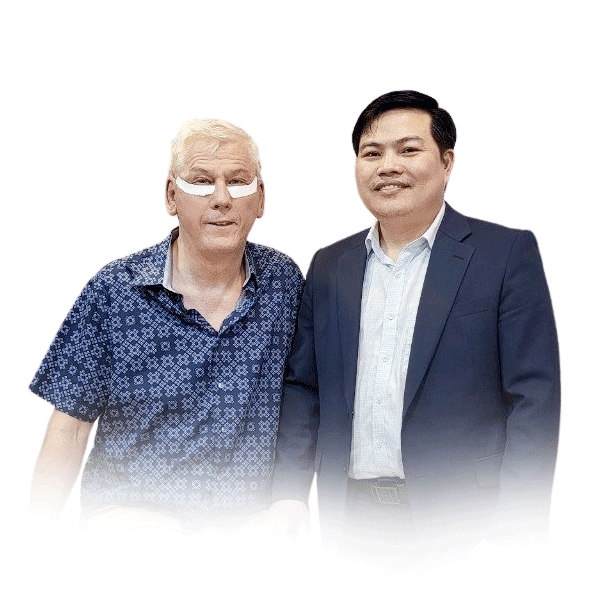
“
I came to Vietnam for travel, and suddenly I saw an ad for Dr. Cuong. I noticed many international clients coming here for services, so I decided to give it a try. The doctor seemed very professional, so I went ahead with the treatment.”


“
I’ve always been fascinated by Vietnam’s history and culture. One day, I came across a Facebook ad about Dr. Cuong and was impressed by his aesthetic technique and the reasonable cost. I decided to come to Vietnam for beauty treatments and travel at the same time.”

Bệnh Viện Thẩm Mỹ Gangwhoo Vươn Tầm Quốc Tế
Lượt xem: 12.861

Lượt xem : 25.761

Lượt xem : 12.158

Lượt xem : 38.034

Trải nghiệm thẩm mỹ kết hợp du lịch ở Củ Chi của khách hàng Quốc Tế
Lượt xem : 10.350

Lượt xem : 39.296

Nâng Mũi Công Nghệ Cao – Đẹp Mà An Toàn Tại Gangwhoo
Lượt xem : 220.952

Review Công Nghệ Nội Soi 4K Tại Gangwhoo
Lượt xem : 5.230

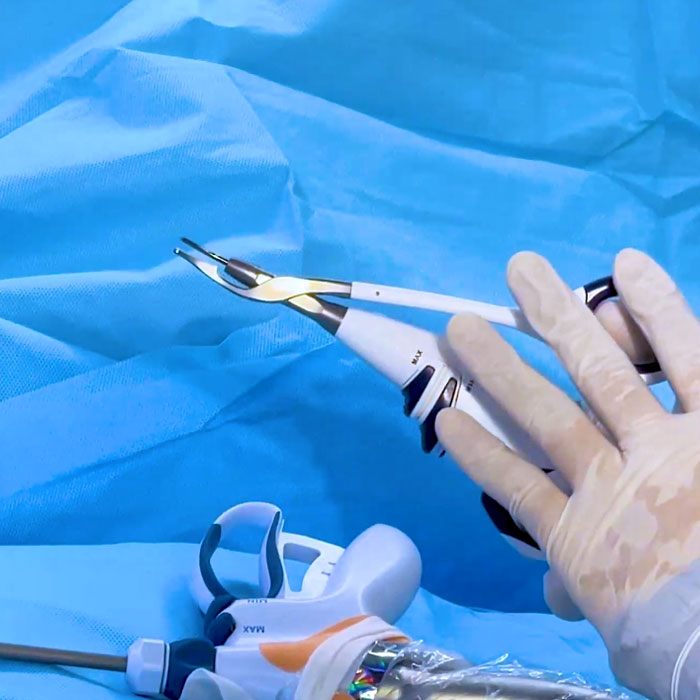


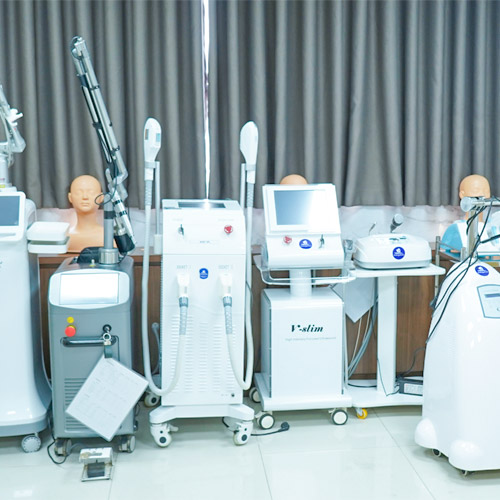


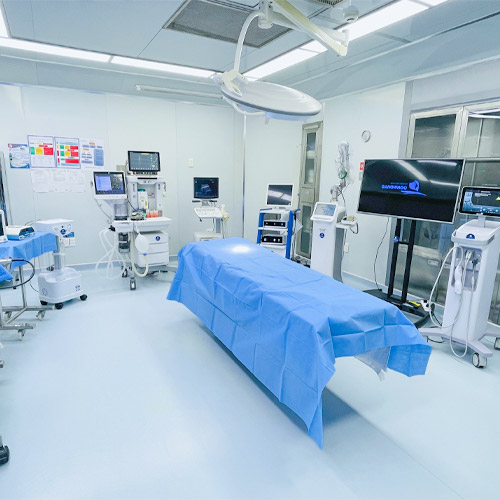
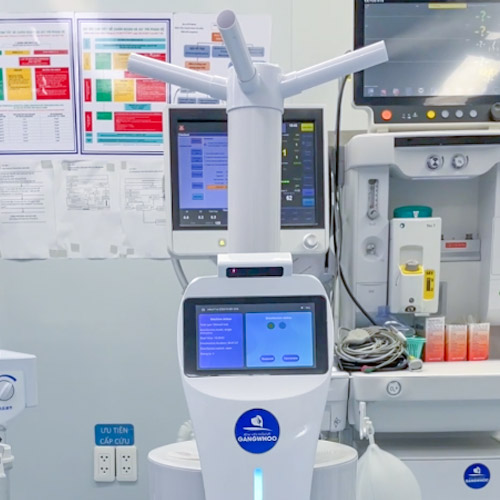
Fully meets the safety standards set by the Ministry of Health. Completely sterile and fully equipped with medical instruments and devices.
Installed in the surgical room, it moves around and sprays disinfectant to ensure a sterile environment.
Helps doctors clearly analyze facial structures to develop accurate aesthetic plans.
Allows customers to visualize their post-procedure appearance, helping them make informed decisions.
Minimizes invasiveness, improves surgical precision, and reduces damage to surrounding tissues.
An ultrasonic scalpel that causes minimal tissue trauma, reducing injury with high precision.
Designed for bone cutting without affecting soft tissues, significantly reducing swelling and bruising after surgery.
Helps eliminate bacteria, reduce inflammation, minimize swelling and bruising after cosmetic procedures, and accelerates wound healing.
Modern, high-tech equipment that meets all the needs of customers seeking non-surgical aesthetic treatments.

Giáo Sư – Bác Sĩ Hàn Quốc – Ông hiên đang là cố vấn chuyên môn tại Gangwhoo


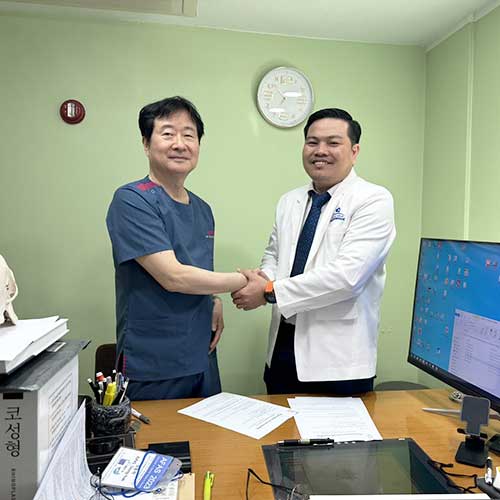

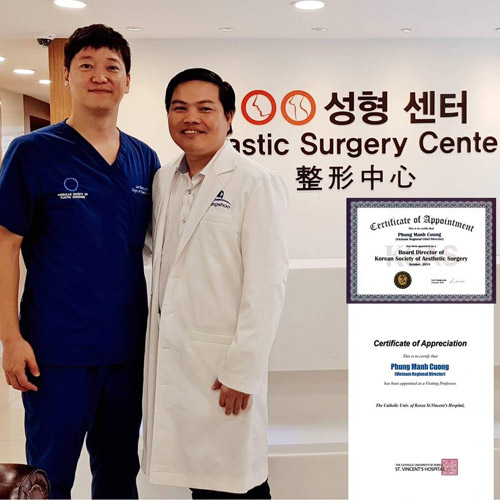
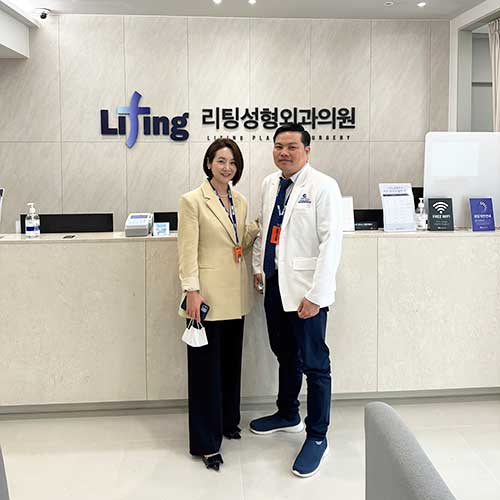
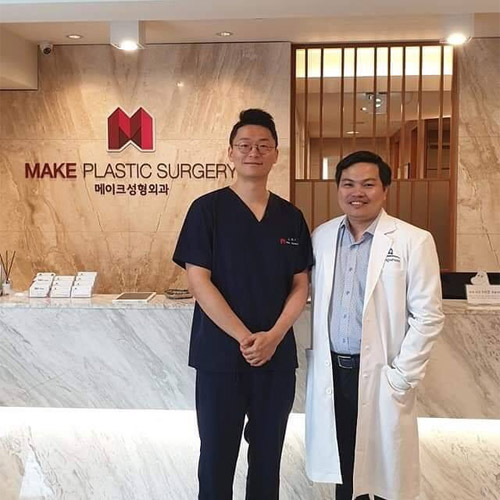
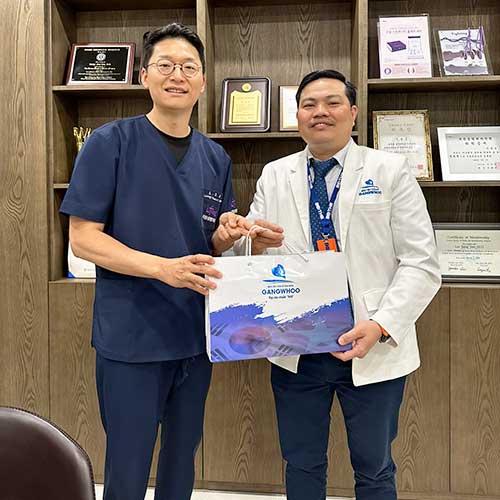

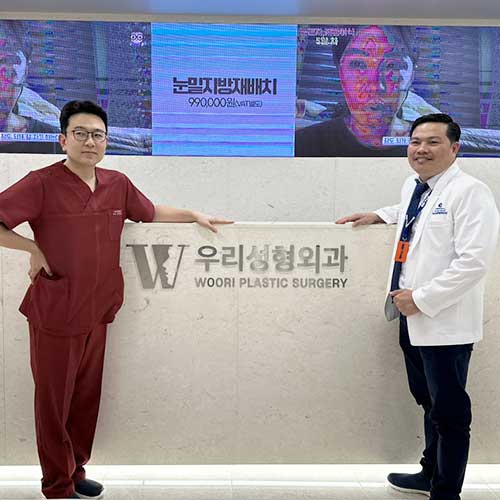


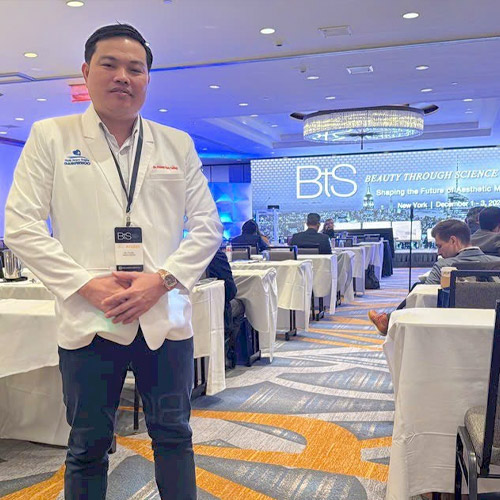



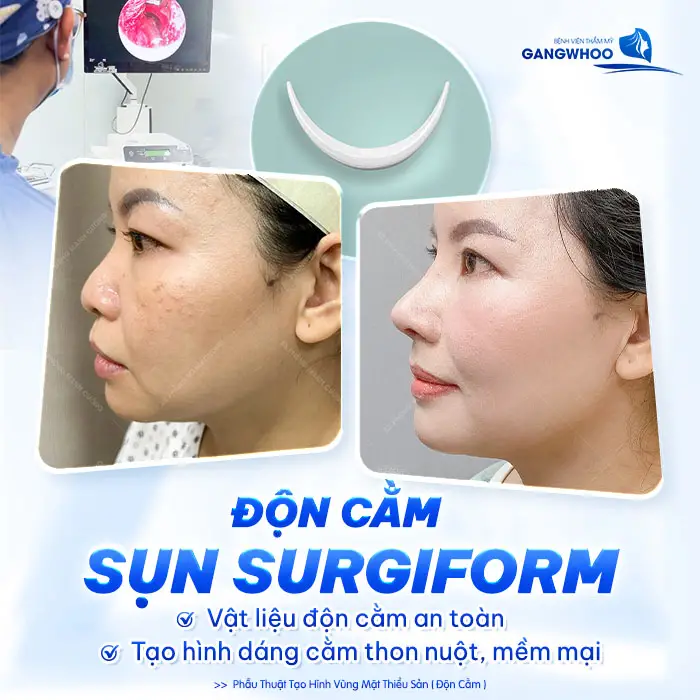
Table of Contents A short, recessed, or under-projected chin can make the face look unbalanced,...
Table of Contents Full, well-proportioned buttocks are one of the body-shape criteria that many people...

Table of Contents What should I do if my chin implant is misaligned? This is...
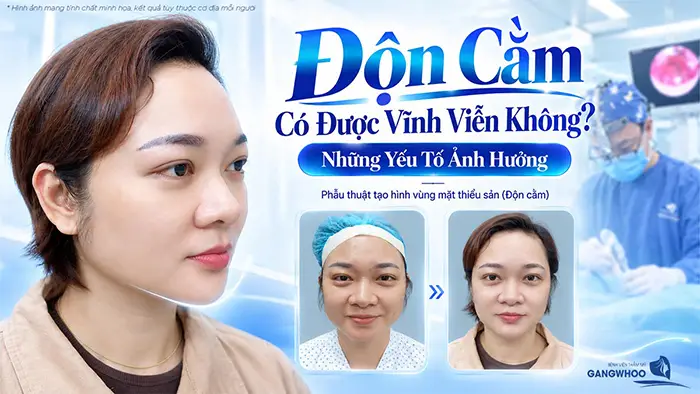
Table of Contents Is chin augmentation permanent? This is a question I frequently encounter from...

Table of Contents A healthy, beautiful smile not only enhances facial aesthetics but also improves...
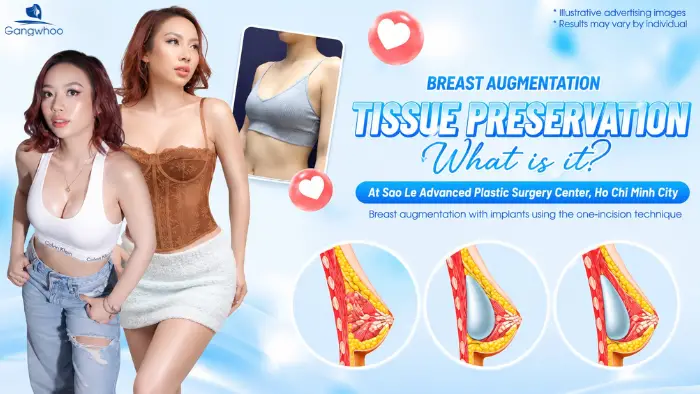
Table of Contents In recent years, Tissue Preservation Breast Augmentation has become a new trend...

Table of Contents Specialist Level I Physician Nguyen Van Hoang is a physician specializing in...

Table of Contents Specialist Level II Physician Tran Thanh Long – Anesthesiologist and Resuscitation Specialist...