





Mild Swelling and Redness: The cheek area may experience swelling and redness in the initial days. Applying cold compresses and resting will help reduce swelling.
Mild Pain: A slight ache at the dimple creation site is normal and can be managed with pain medication as prescribed by your doctor.
Infection: Manifested by increased swelling, prolonged redness, pain, and potential discharge of pus at the surgical site.
Abscess: Formation due to untreated infection, leading to the accumulation of pus under the skin.
Facial Nerve Damage: Can cause numbness or weakness of the facial muscles if the nerve is affected during the surgical procedure.
Salivary Duct Fistula: Damage to the parotid salivary gland duct can lead to leakage of saliva.
Scarring or Deformity: Severe infection or improper care can result in scarring or deformation of the cheek area.

Avoid Strong Impact: Limit excessive smiling, talking, or chewing hard foods during the first week to avoid affecting the surgical area.
Avoid Strenuous Activity: Limit intense physical activities, especially those affecting the facial area, during the first week after surgery.
Soft, Easy-to-Digest Foods
Porridge, soup, soft noodles, milk, yogurt, boiled eggs, tofu, finely minced lean meat or steamed fish.
Fresh Vegetables and Fruits
Supplement with green vegetables and fruits rich in vitamins A, C, and E, such as oranges, carrots, and spinach, to boost the immune system and promote wound healing.
Drink Enough Water
Maintain a water intake of 2 to 2.5 liters per day to keep the body hydrated and support the recovery process.
Drink Enough Water (2–2.5 liters/day)
Inflammatory or Allergenic Foods
Seafood (shrimp, crab, squid), chicken, sticky rice (glutinous rice, Chung cake), water spinach.
Spicy, Hot Foods and Stimulants
Chili, pepper, garlic, alcohol, beer, coffee, tobacco.
Hard or Chewy Foods
Avoid eating hard or chewy foods such as hard candies and crispy bread to prevent putting pressure on the surgical area.
Typically, after 5–7 days, the cheek area will have reduced swelling, and the dimples will start to look more natural. However, the recovery time can vary depending on individual physiology and aftercare.
No. The doctor uses self-dissolving cosmetic sutures during the dimple creation process, so you do not need to return for suture removal after the surgery.
No. This method is performed inside the oral cavity, with no external skin incisions, thus leaving no visible scars on the face.
No. This is a simple minor surgical procedure that only affects the soft tissue under the skin and does not impact the jawbone or your chewing function.
The results usually last from 5 to 10 years, depending on your individual physiology and aftercare. In some cases, the dimples can be permanent.
No. You can resume normal activities after the surgery, but it is advisable to avoid strenuous activities, excessive smiling, or talking a lot during the first few days to allow the cheek area to heal optimally.

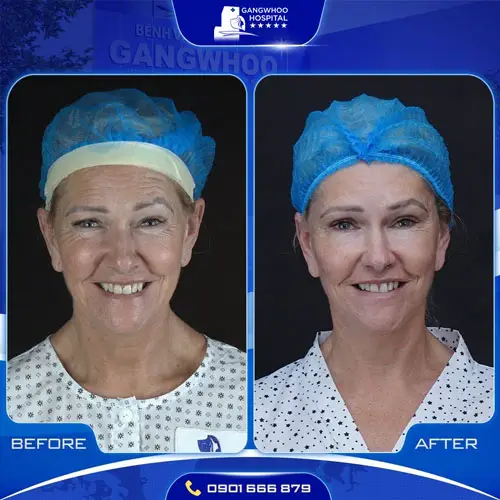
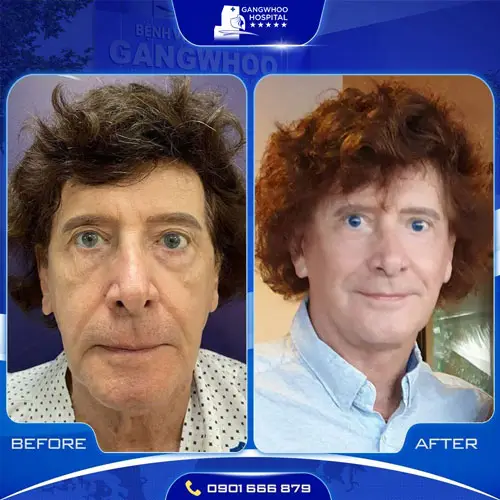
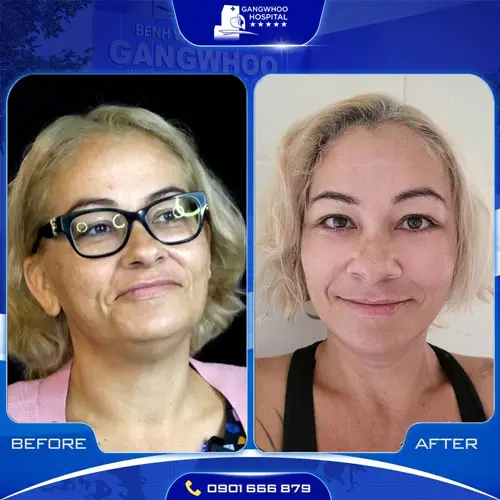
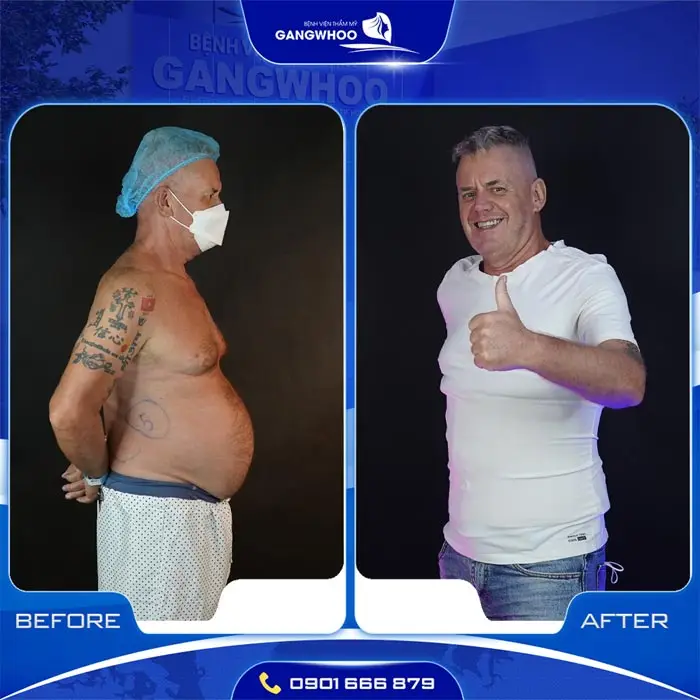
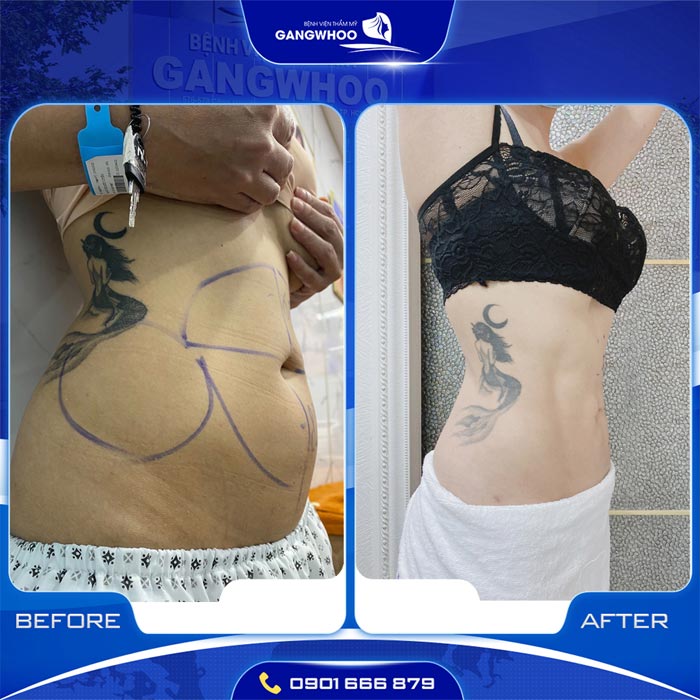
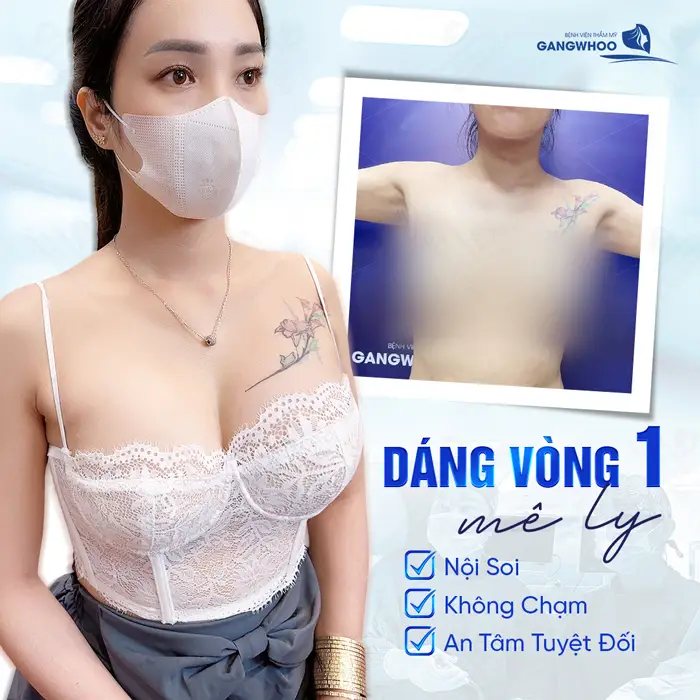
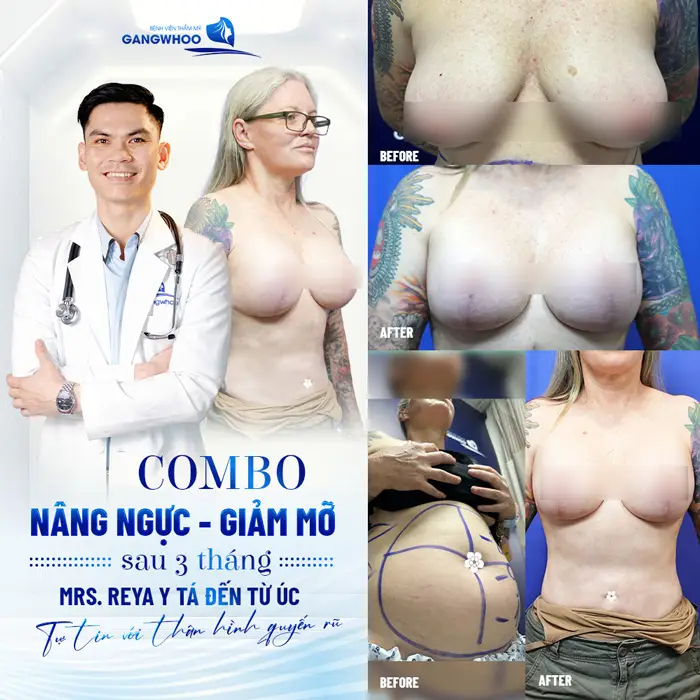
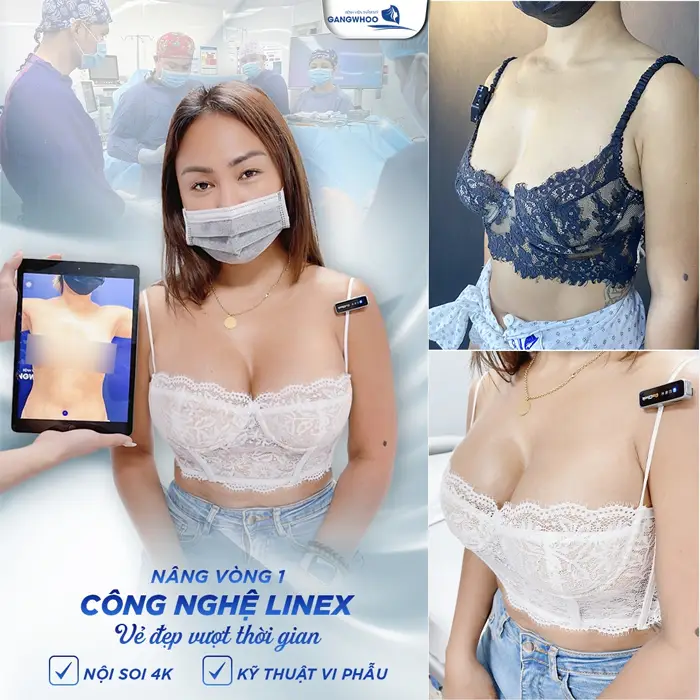
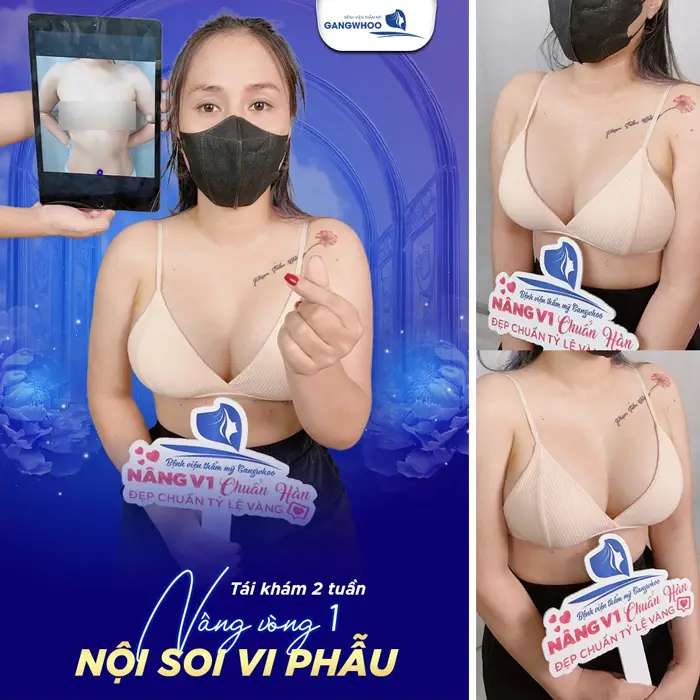
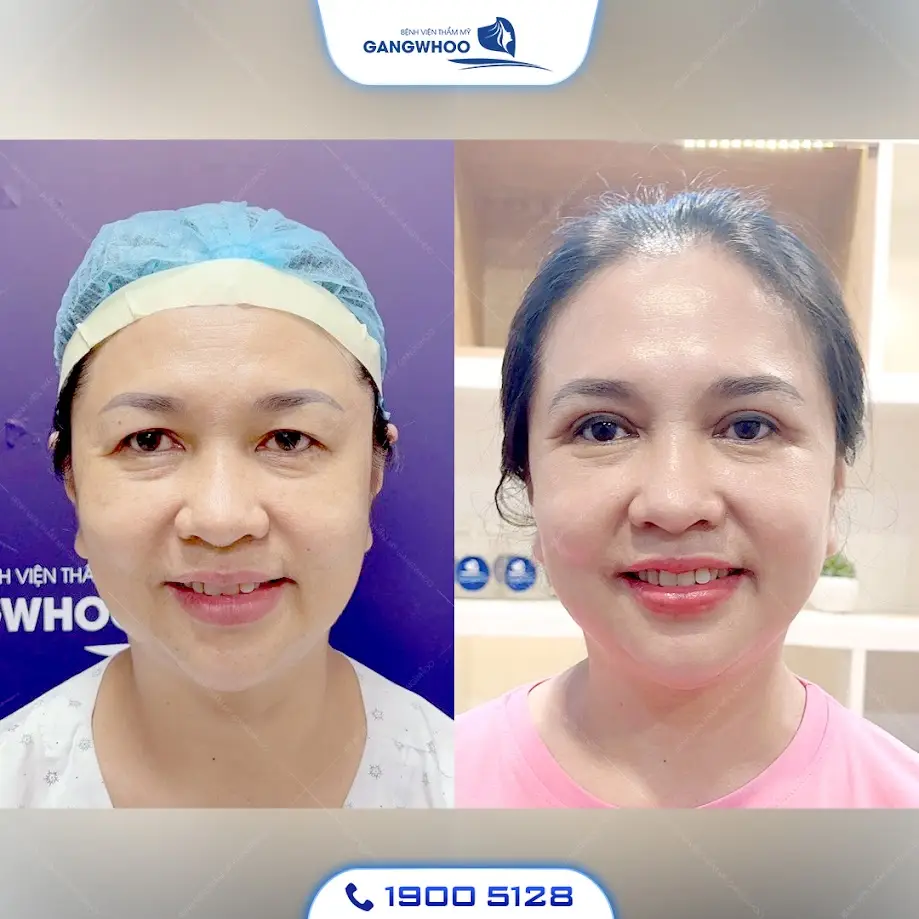
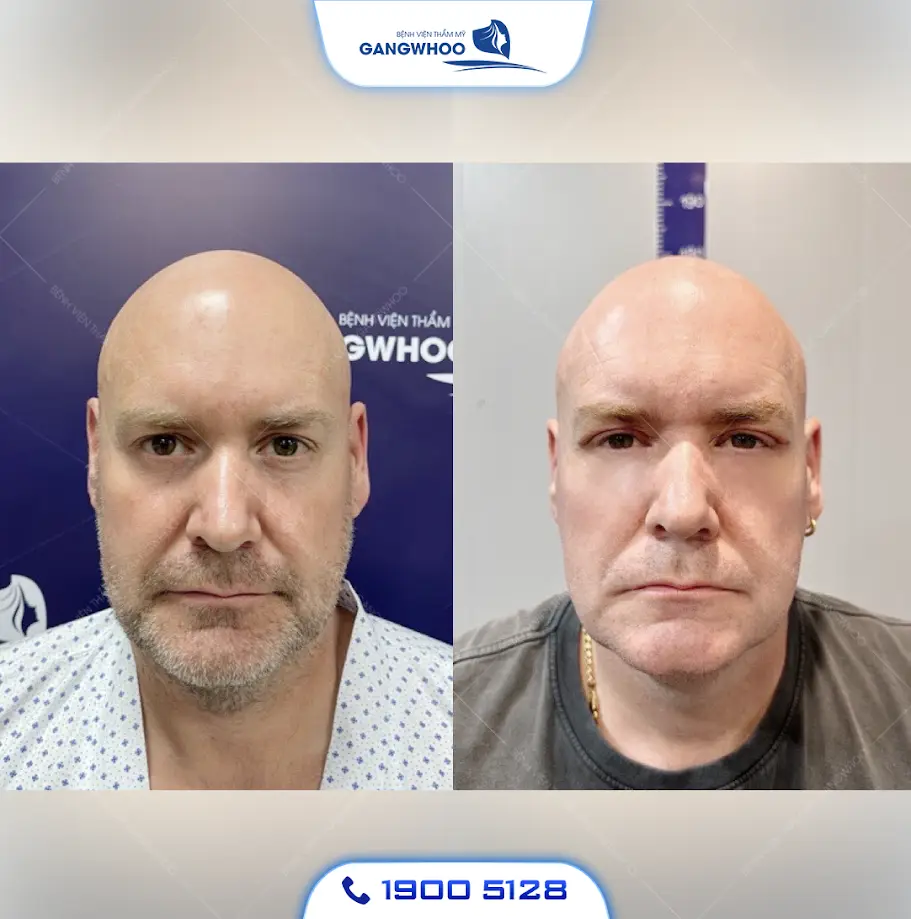
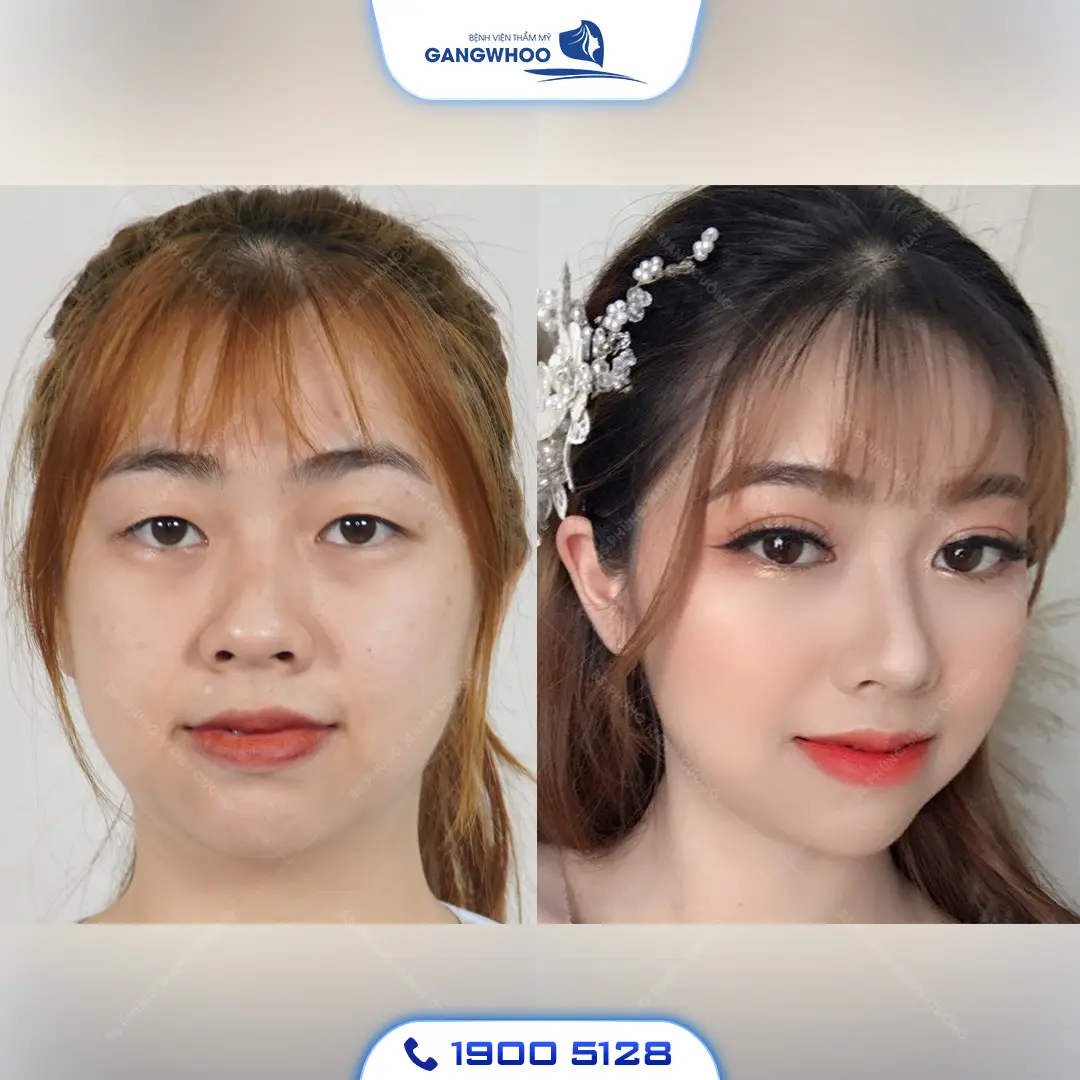
Check out the amazing results below
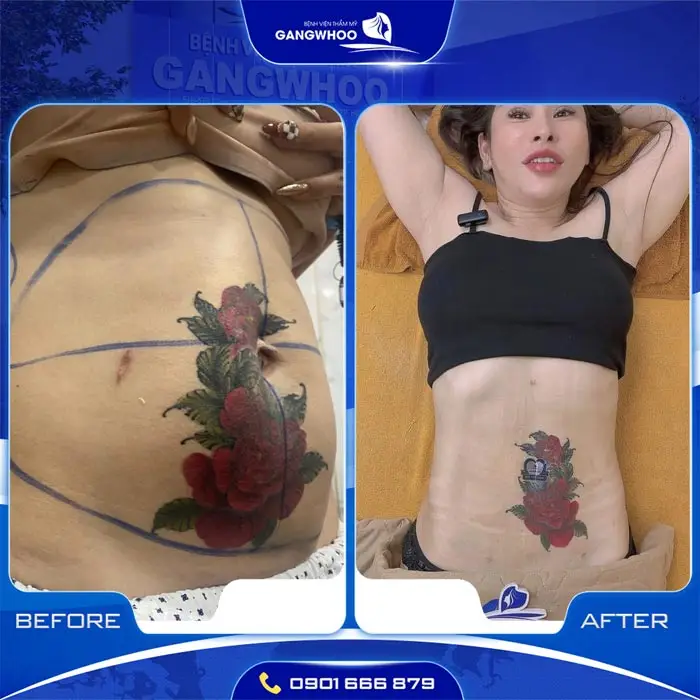
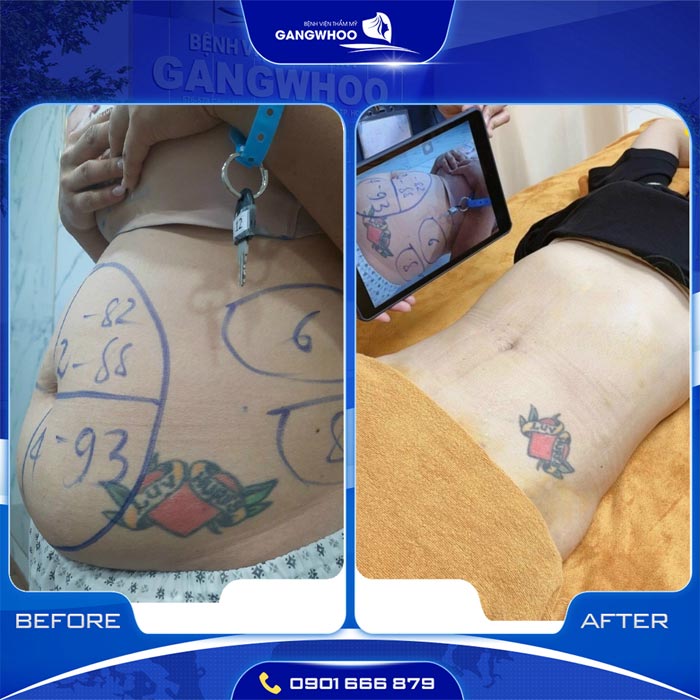
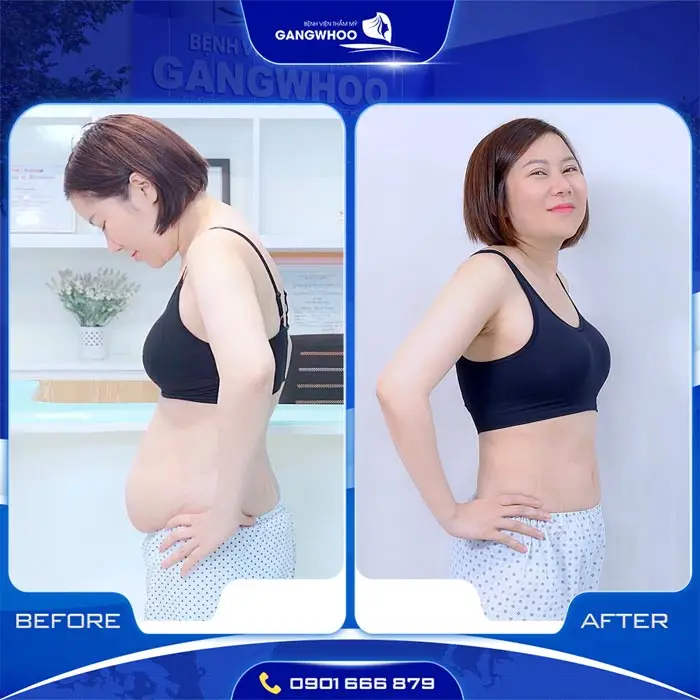
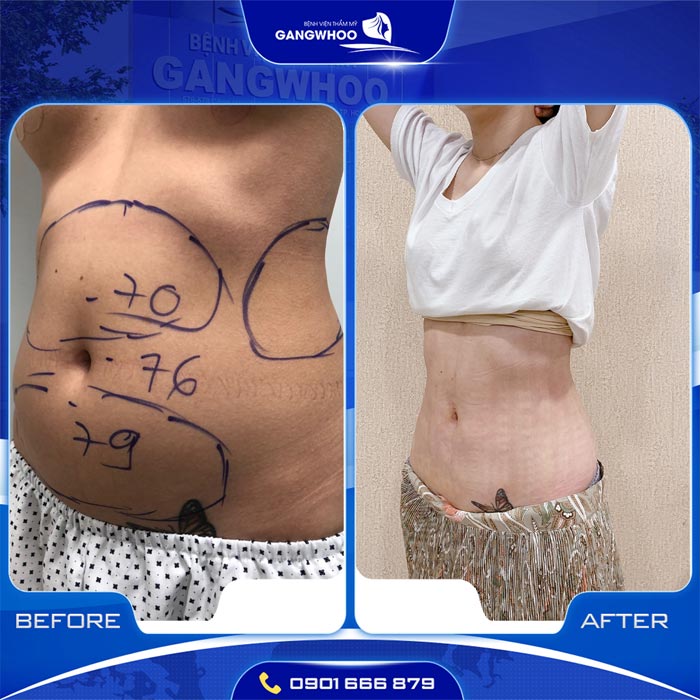


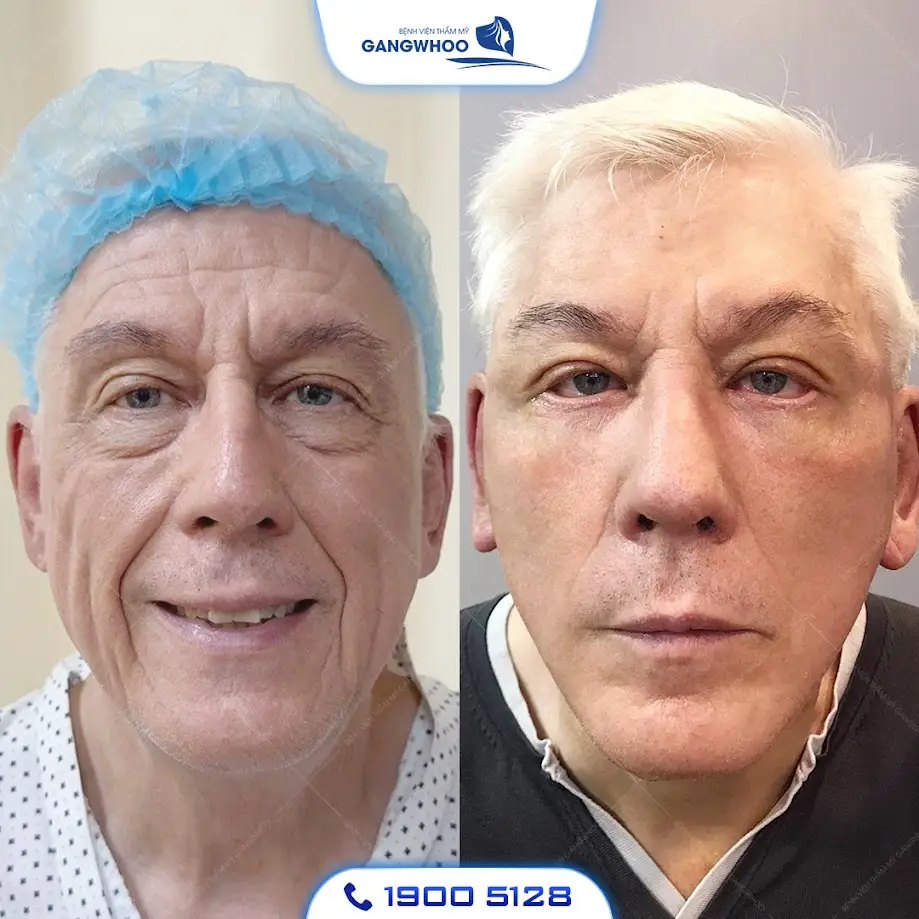

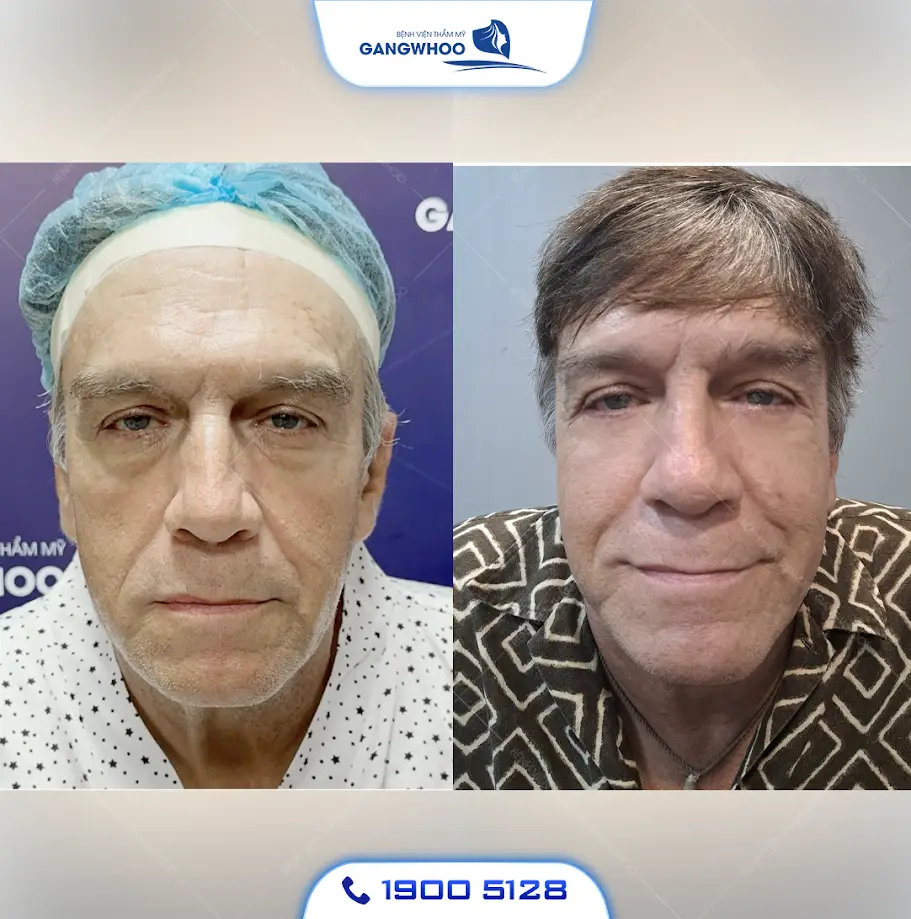


Let’s see what they say about Gangwhoo!

“
The beauty service here is really good. I found Vietnamese people to be very enthusiastic. The doctor gave me great consultation and care. Not to mention, the cost is much lower than in Germany.”

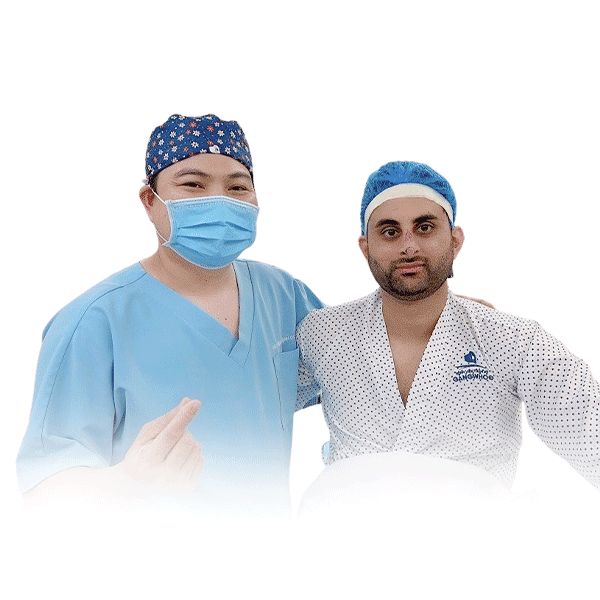
“
The technology here and Dr. Cuong’s techniques are just as good as those in my country, but the cost is much lower. That’s why I decided to come to Vietnam—not only for aesthetics but also for relaxation.”


“
I have a friend in Australia who had a beauty treatment in Vietnam and recommended Dr. Cuong to me. I noticed a clear transformation in my friend. Since the cost is also much lower than in Australia, I had no hesitation about coming to Vietnam for cosmetic procedures.”

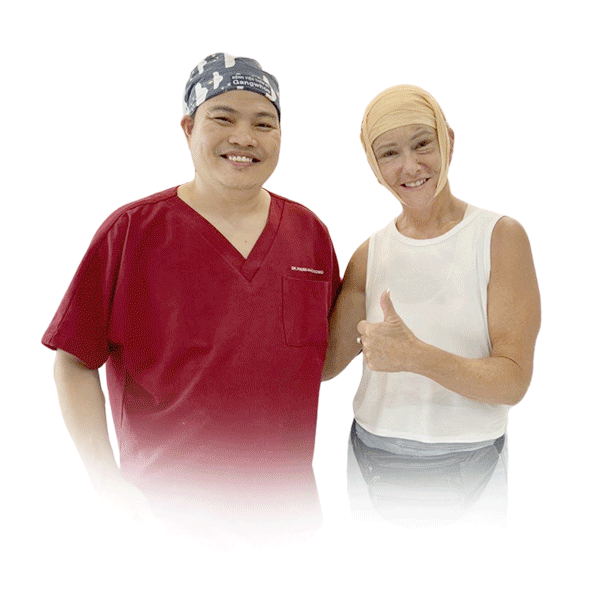
“
I happened to see an ad on Facebook and learned about Dr. Cuong. I was very impressed by his technique—the difference in the patients before and after was striking. I got curious and messaged for more info. The consultation was very enthusiastic and thorough, so I decided to put my trust in them and come to Vietnam for beauty treatments.”
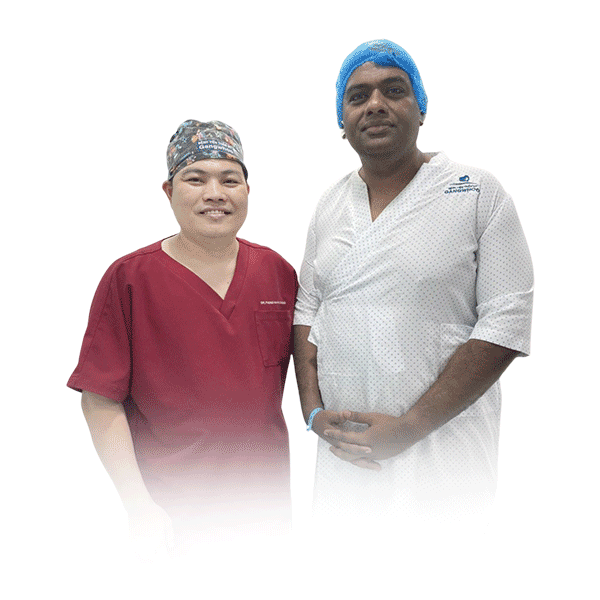
“
Cosmetic procedures in the U.S. are very expensive. However, here the cost is only about 30%, yet the technology and facilities are not inferior. So I booked a flight to Vietnam for aesthetics.”

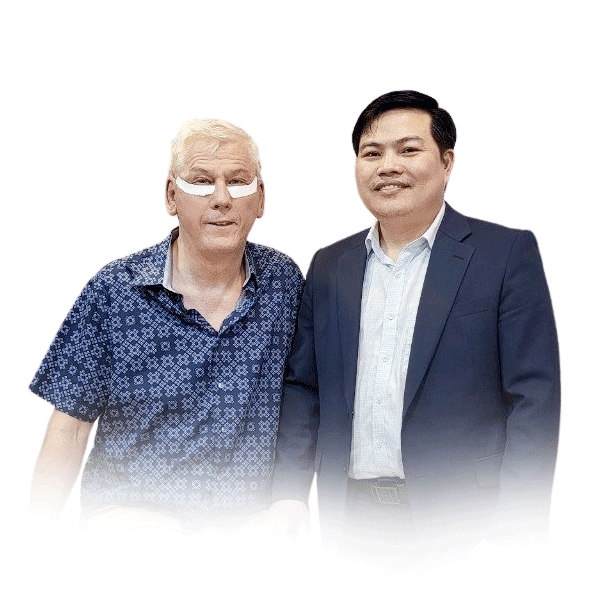
“
I came to Vietnam for travel, and suddenly I saw an ad for Dr. Cuong. I noticed many international clients coming here for services, so I decided to give it a try. The doctor seemed very professional, so I went ahead with the treatment.”


“
I’ve always been fascinated by Vietnam’s history and culture. One day, I came across a Facebook ad about Dr. Cuong and was impressed by his aesthetic technique and the reasonable cost. I decided to come to Vietnam for beauty treatments and travel at the same time.”
Bệnh Viện Thẩm Mỹ Gangwhoo Vươn Tầm Quốc Tế
Lượt xem: 12.861

Lượt xem : 25.761
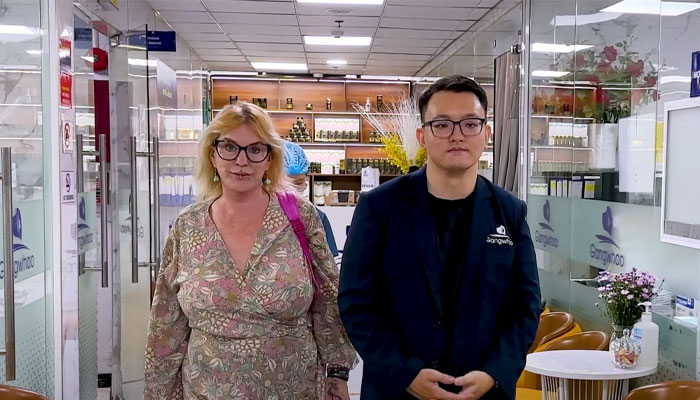
Lượt xem : 12.158
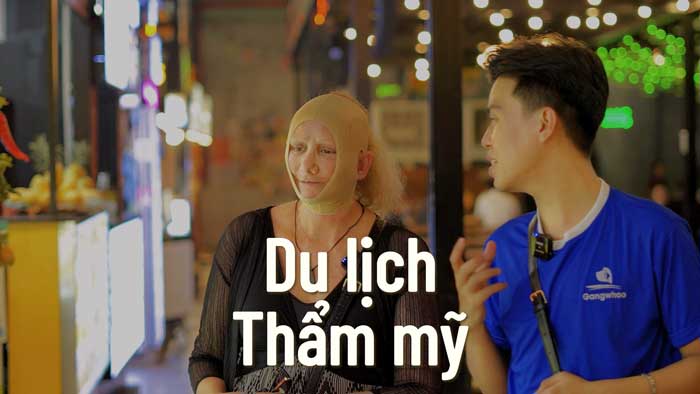
Lượt xem : 38.034

Trải nghiệm thẩm mỹ kết hợp du lịch ở Củ Chi của khách hàng Quốc Tế
Lượt xem : 10.350

Lượt xem : 39.296

Nâng Mũi Công Nghệ Cao – Đẹp Mà An Toàn Tại Gangwhoo
Lượt xem : 220.952

Review Công Nghệ Nội Soi 4K Tại Gangwhoo
Lượt xem : 5.230





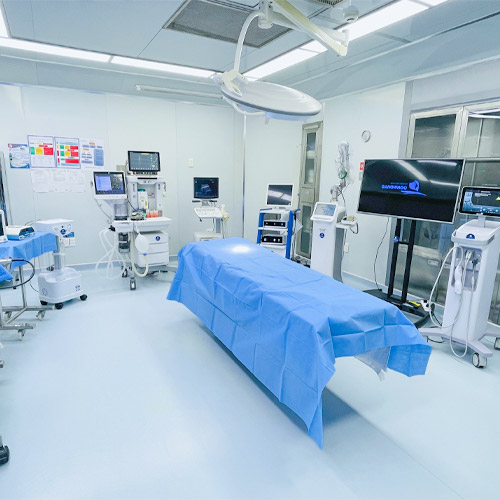
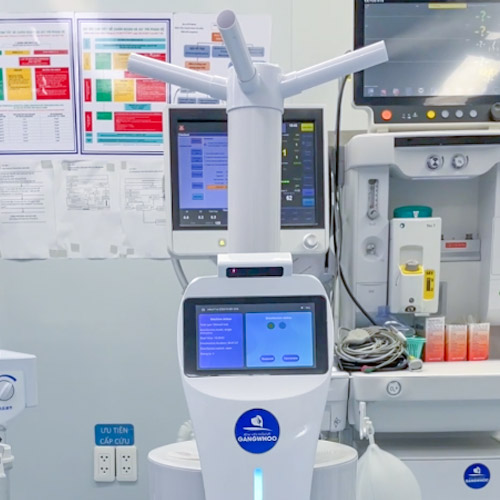
Fully meets the safety standards set by the Ministry of Health. Completely sterile and fully equipped with medical instruments and devices.
Installed in the surgical room, it moves around and sprays disinfectant to ensure a sterile environment.
Helps doctors clearly analyze facial structures to develop accurate aesthetic plans.
Allows customers to visualize their post-procedure appearance, helping them make informed decisions.
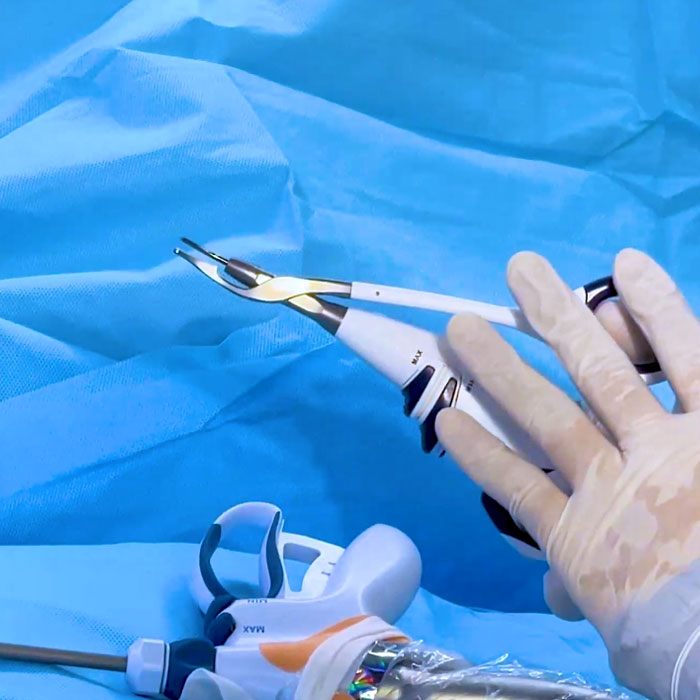
Minimizes invasiveness, improves surgical precision, and reduces damage to surrounding tissues.
An ultrasonic scalpel that causes minimal tissue trauma, reducing injury with high precision.
Designed for bone cutting without affecting soft tissues, significantly reducing swelling and bruising after surgery.
Helps eliminate bacteria, reduce inflammation, minimize swelling and bruising after cosmetic procedures, and accelerates wound healing.
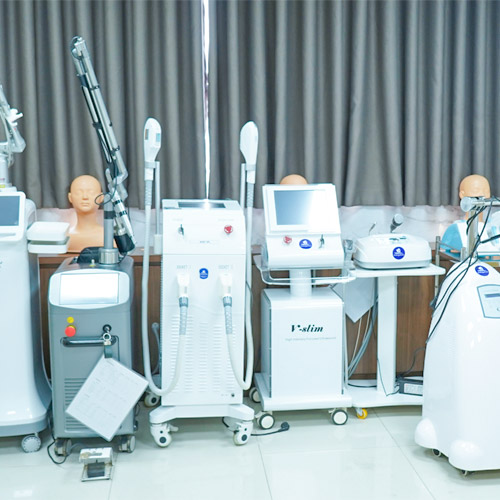
Modern, high-tech equipment that meets all the needs of customers seeking non-surgical aesthetic treatments.

Giáo Sư – Bác Sĩ Hàn Quốc – Ông hiên đang là cố vấn chuyên môn tại Gangwhoo


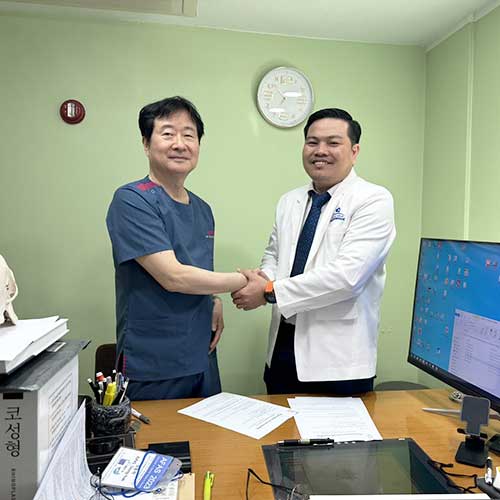

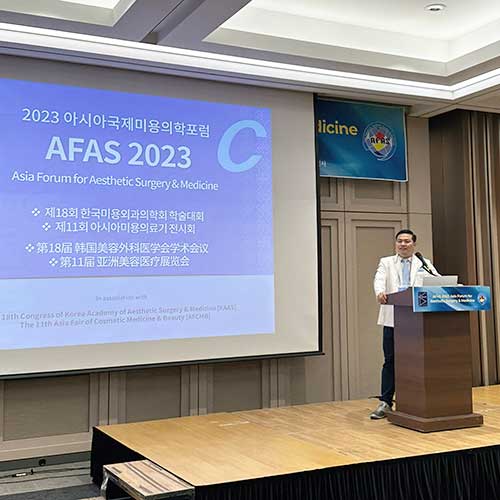
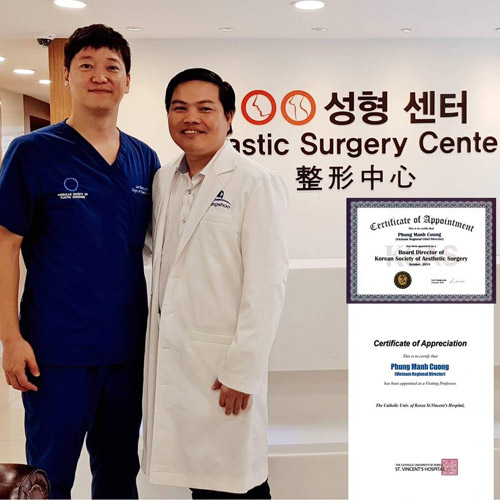
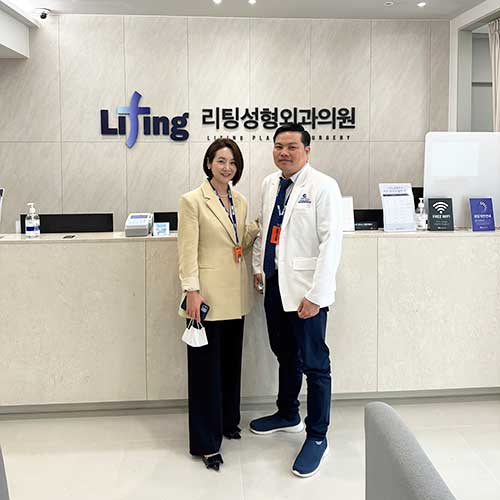
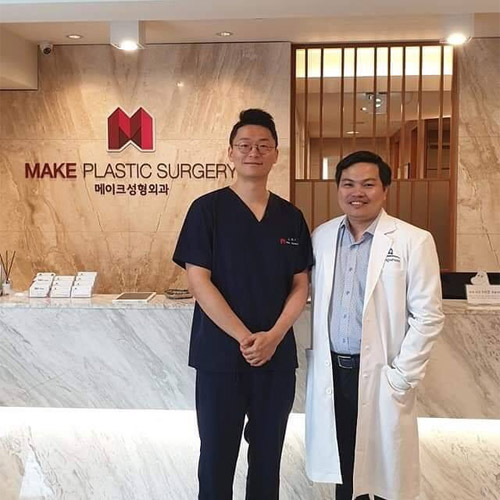
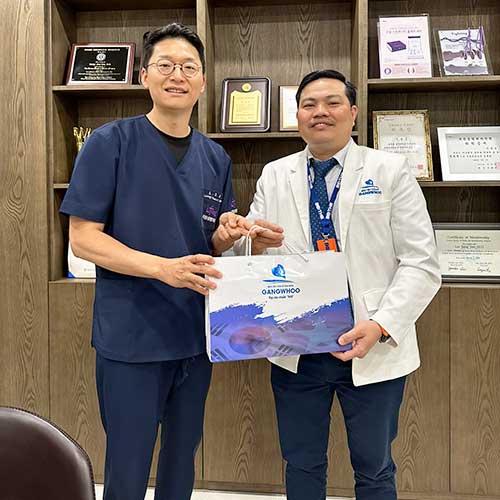

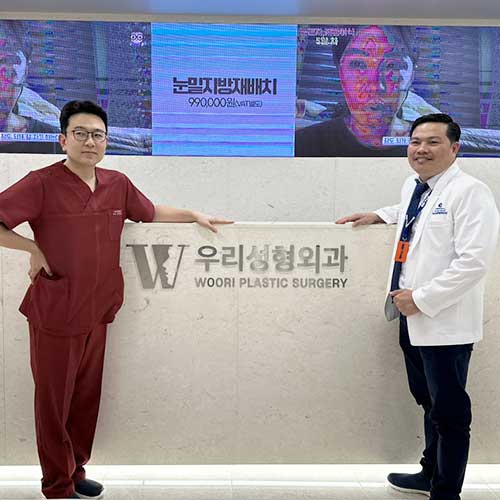



Table of Contents A healthy, beautiful smile not only enhances facial aesthetics but also improves...
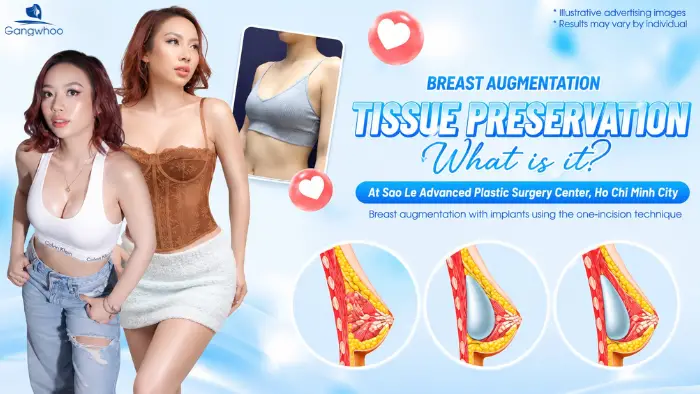
Table of Contents In recent years, Tissue Preservation Breast Augmentation has become a new trend...

Table of Contents Specialist Level I Physician Nguyen Van Hoang is a physician specializing in...

Table of Contents Specialist Level II Physician Tran Thanh Long – Anesthesiologist and Resuscitation Specialist...
Table of Contents Doctor Nguyen Minh Hien is a maxillofacial aesthetic specialist at Gangwhoo Cosmetic...

Table of Contents Cold plasma irradiation is becoming a supportive technology for recovery and skin...
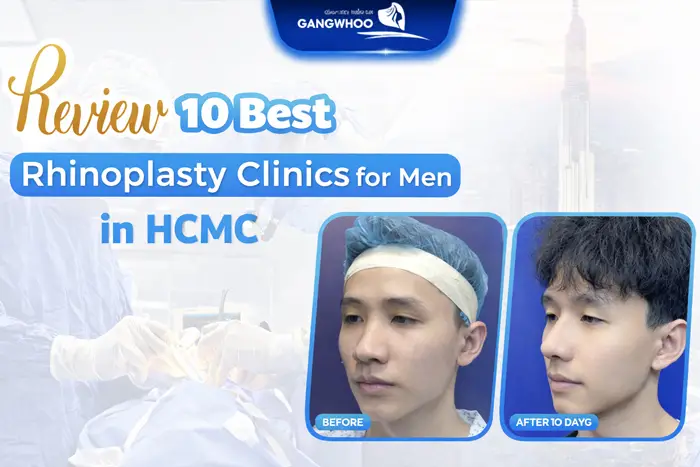
Table of Contents Choosing the right clinic for male rhinoplasty not only determines whether the...
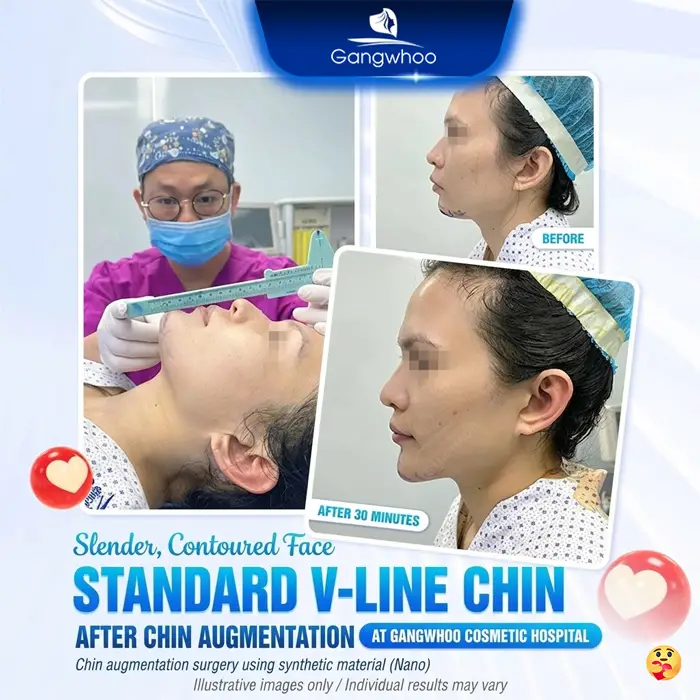
Table of Contents A chin augmentation surgeon plays a crucial role in determining the final...